Marisa in My Cousin Vinny: Behind the Iconic Role
When Jonathan Lynn’s courtroom comedy debuted in March 1992, few industry insiders predicted it would produce one of the most enduring comedic performances in modern American cinema. Yet decades later, when audiences and critics reflect on the brilliance of Marisa in My Cousin Vinny, her portrayal of Mona Lisa Vito stands out as a masterclass in comic timing, sharp characterization, and genuine screen presence. Marisa Tomei did not just support the film; she redefined what a comedic female lead could achieve in a mainstream Hollywood production.
Who Was Mona Lisa Vito?
On paper, Mona Lisa Vito could easily have been relegated to a one-dimensional caricature: the loud, fashion-obsessed girlfriend from Brooklyn dragged along on a trip to rural Alabama. In the hands of a lesser performer, the character might have leaned purely into tired regional tropes. Instead, Tomei and screenwriter Dale Launer crafted a multi-layered character whose vibrant exterior concealed formidable intellect, fierce loyalty, and deep practical competence.
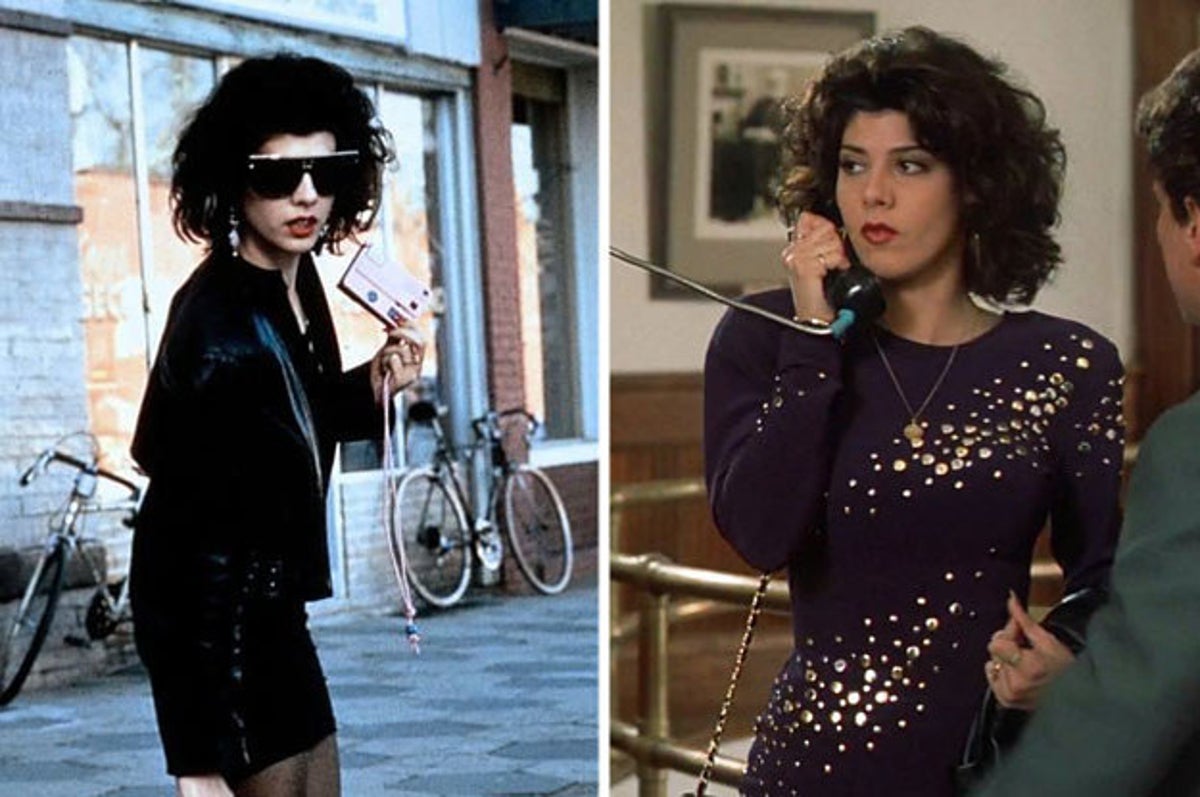
Mona Lisa Vito is an unemployed hairdresser, but she also comes from a family of mechanics. She understands automotive mechanics down to firing orders, gear ratios, and suspension dynamics. Crucially, Lisa never apologizes for who she is. She pairs neon-patterned bodysuits and towering hair with razor-sharp legal instincts, consistently proving to be the smartest person in any room she enters.
Why Marisa in My Cousin Vinny Stole the Show
The success of the movie hinges largely on the dynamic between Joe Pesci’s Vincent LaGuardia Gambini and Tomei’s Lisa. Pesci was already an established star, coming off his Oscar-winning role in Martin Scorsese's Goodfellas. Tomei, while recognized for her work on television shows like A Different World, was far less established on the big screen. Despite the disparity in star power, their on-screen dynamic was balanced and electrifying.
Rather than functioning merely as Vinny’s cheerleader or nagging antagonist, Lisa operates as his intellectual equal and emotional ballast. Their banter crackles because Tomei refuses to play second fiddle. She meets Pesci’s frenetic energy with a grounded, rhythmic delivery that punches through every scene.
The "Biological Clock" Monologue
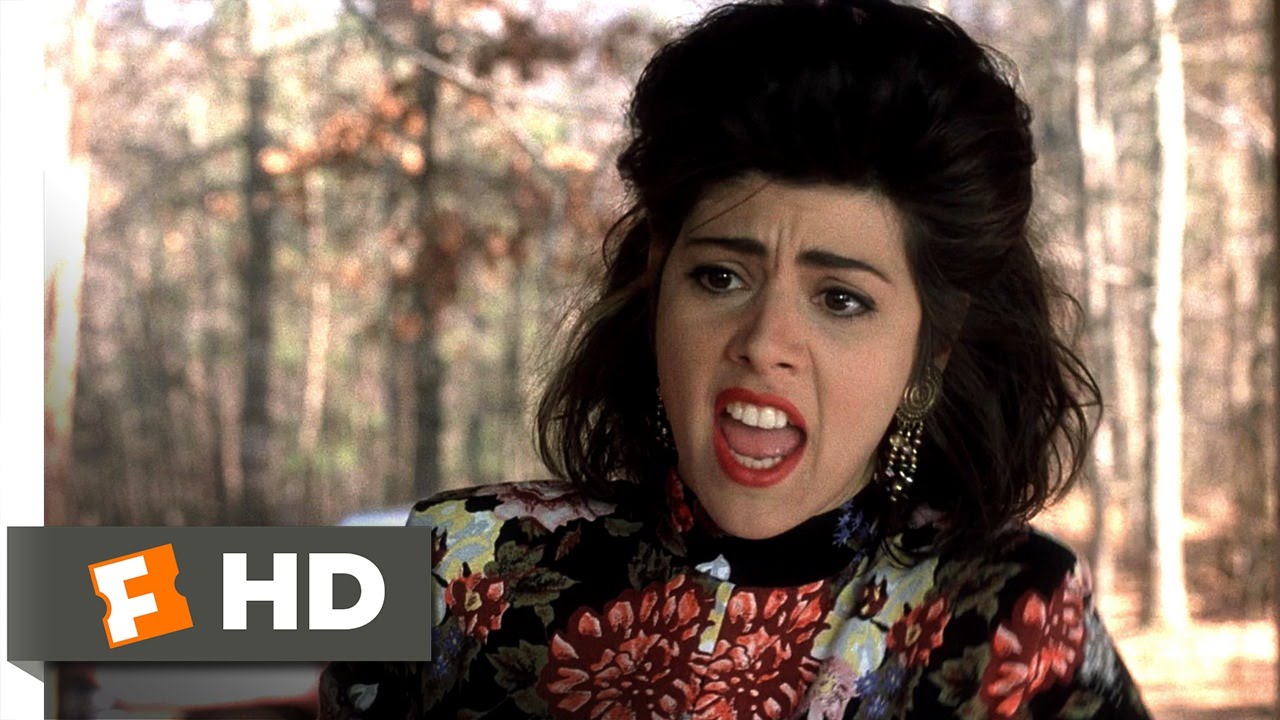
One of the film’s most quoted sequences is Lisa’s impassioned bedroom speech regarding her ticking biological clock. Frustrated by Vinny’s endless delays in getting married and his fixation on passing the bar, Lisa vents her anxieties while pacing the room in an oversized floral top.
Tomei turns what could have been a standard comedic tantrum into rhythmic performance art. Her physical gestures—stomping her foot to emphasize the sound of her biological clock ticking—combine precise comic tempo with genuine vulnerability. The line delivered with an aggressive tap of her foot became an instant classic because it felt entirely authentic to the character’s emotional reality.
The Climactic Courtroom Testimony
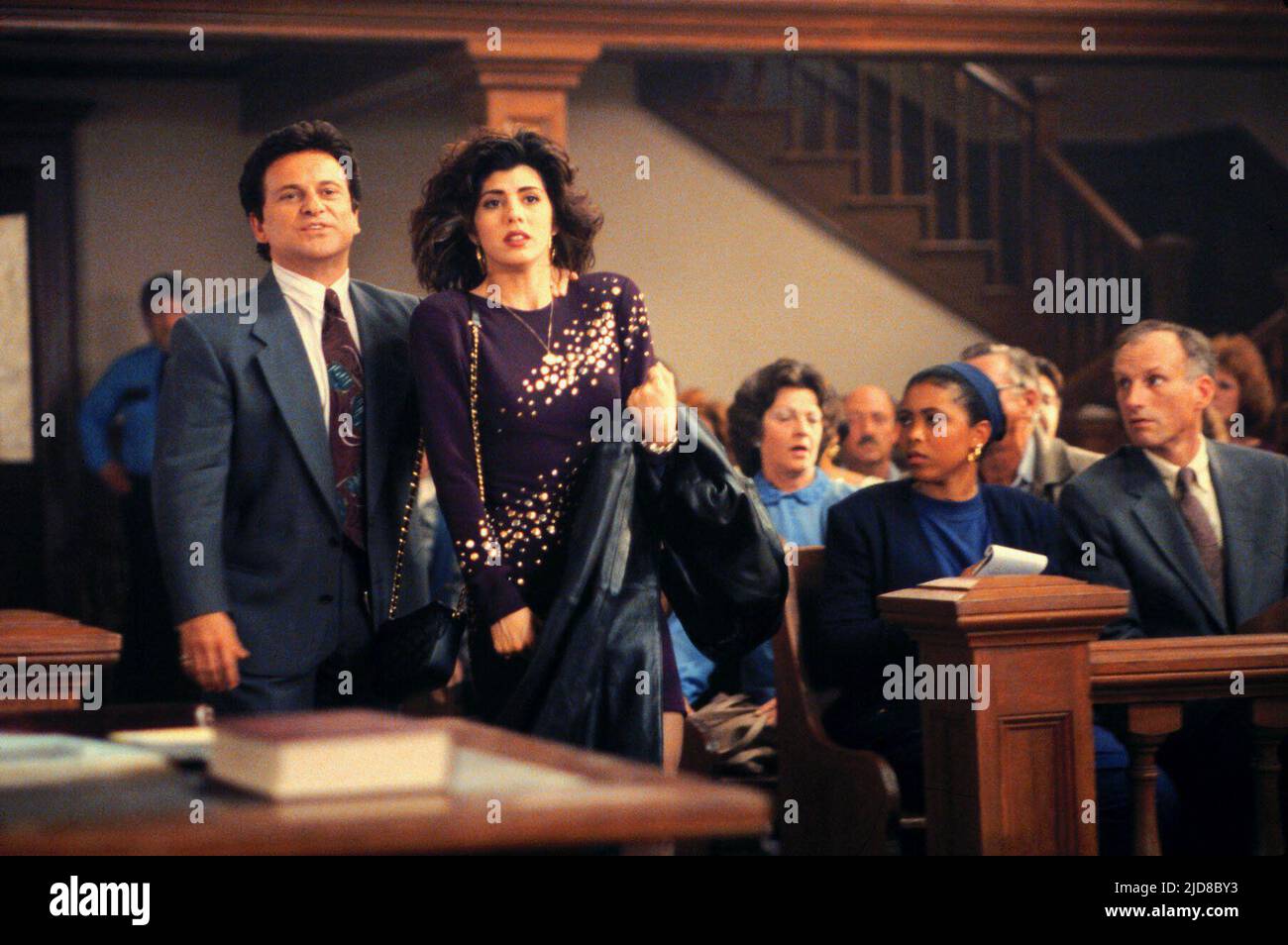
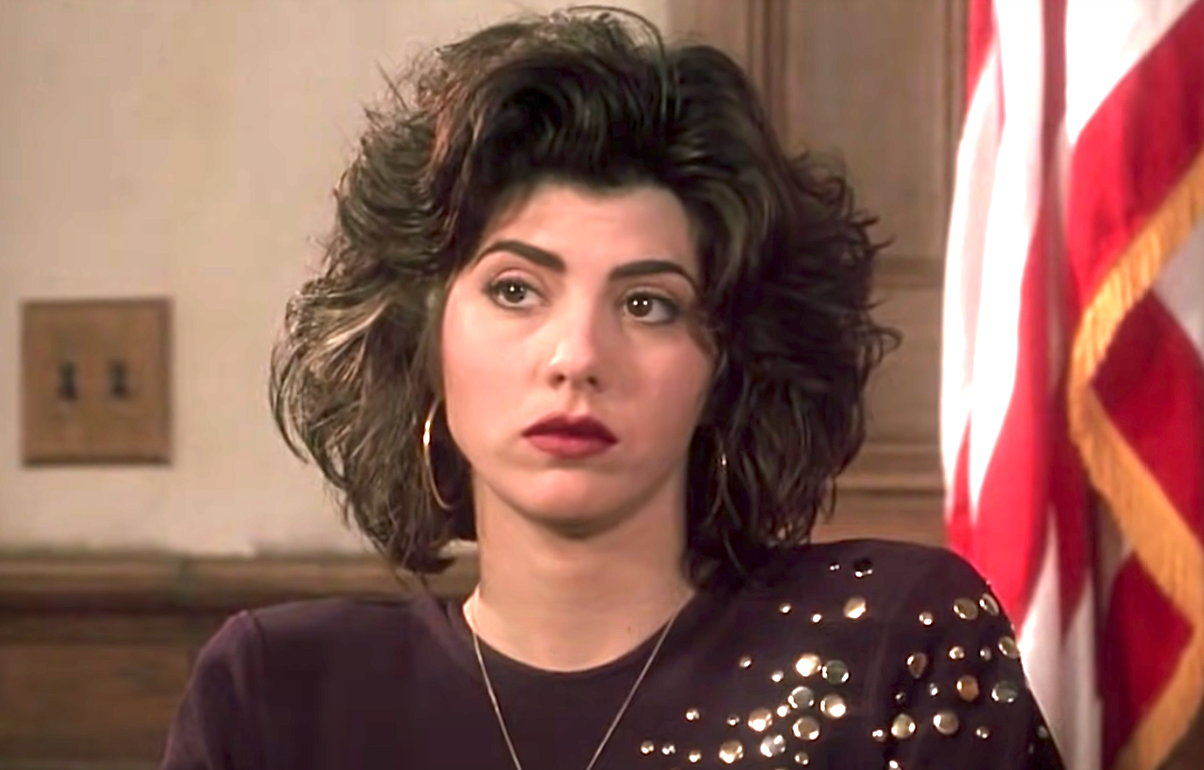
The true turning point of the movie—both narratively and critically—comes when Vinny calls Lisa to the stand as an expert witness in general automotive knowledge. Initially condescended to by the prosecutor (played by Lane Smith) and viewed with skepticism by the judge (Fred Gwynne), Lisa completely dismantles the prosecution’s case using forensic tire-track analysis.
Tomei delivers complex automotive dialogue about independent rear suspensions, Torsen limited-slip differentials, and the 1963 Pontiac Tempest with effortless fluency. She doesn't rattle off the technical specifications like someone reading a cue card; she delivers them with the dismissive confidence of someone correcting an amateur on basic facts. Her declaration that the defense's analysis is "dead-on balls accurate" remains one of the most satisfying courtroom payoffs in cinematic history.

The 1993 Academy Awards and That Infamous Rumor
At the 65th Academy Awards in 1993, Tomei was nominated for Best Supporting Actress. The category was historically competitive, stacked with celebrated dramatic legends:
- Joan Plowright (Enchanted April)
- Miranda Richardson (Damage)
- Judy Davis (Husbands and Wives)
- Vanessa Redgrave (Howards End)
When presenter Jack Palance announced Marisa Tomei as the winner, the shock was palpable across Hollywood. Dramatic roles traditionally dominated the supporting acting categories, making a comedic victory extremely rare.
Debunking the Urban Legend
Shortly after the ceremony, a persistent Hollywood rumor began circulating: that Jack Palance was intoxicated or confused, accidentally read Tomei's name off the teleprompter instead of the actual winner, and the Academy stayed silent to avoid public embarrassment.
This rumor is demonstrably false. The Academy of Motion Picture Arts and Sciences maintains an ironclad protocol overseen by the accounting firm Price Waterhouse (now PwC). Officials from the firm have repeatedly clarified that two partners always stand in the wings with duplicate envelopes. If an incorrect name were ever read on air, the officials were strictly instructed to step out onto the stage and halt the broadcast immediately—a protocol demonstrated in real time during the infamous La La Land and Moonlight envelope mix-up in 2017.
Tomei won fair and square because voters recognized a performance that brought unmatched vitality, originality, and precision to the screen.
The Visual Style: Fashion as Character Armor
Costume designer Carol Ramsey played an integral role in shaping Mona Lisa Vito’s visual presence. In a conservative, muted Southern courtroom, Lisa stands out like a neon flare. Her wardrobe consists of:
- Lace-paneled bodysuits and black stirrup pants
- Oversized leather jackets and bold shoulder pads
- Statement jewelry and signature tortoiseshell sunglasses
These fashion choices were not visual gags; they were a deliberate celebration of working-class New York style. Lisa wears her identity proudly. By keeping her stylish and unapologetically herself while simultaneously proving she possesses superior technical intellect, the film challenges the lazy assumption that an interest in fashion indicates a lack of intelligence.
The Enduring Legacy of Mona Lisa Vito
More than thirty years after its release, My Cousin Vinny is frequently studied in law schools for its remarkably accurate depiction of trial procedure, witness examination, and expert qualification. Yet the emotional anchor of the film remains Tomei's character.
Mona Lisa Vito broke the mold for female characters in high-concept 1990s comedies. She was not a prize to be won, nor was she a scold holding the protagonist back. She was an essential collaborator, a genius in her own right, and a character bursting with charisma. Marisa Tomei’s Oscar win was not a fluke—it was a long-overdue acknowledgment that making an audience laugh with intelligence and warmth requires every bit as much artistry as dramatic tragedy.