Mark Cuban’s $3 Billion Net Worth: The Real Stories
When financial media runs an alert like Breaking: Mark Cuban’s $3 Billion Net Worth—The Real Stories Behind the Headline, the internet takes notice. For decades, Cuban has stood out as one of the most visible, outspoken, and unconventional billionaires in modern American business. While casual observers know him as the firebrand former majority owner of the Dallas Mavericks or the sharp-witted investor on ABC’s Shark Tank, the true architecture of his balance sheet is far more strategic than reality television suggests.

Tracking the net worth of a public figure like Cuban requires peering past static numbers. From sleeping six to a room in a Dallas apartment to hedging one of the largest single-stock tech windfalls in Wall Street history, his financial trajectory offers a masterclass in timing, risk mitigation, and enterprise building.
The Dot-Com Miracle: The Trade That Made the Billionaire
Before Cuban could become a fixture on court sidelines or television screens, he had to secure the capital that would fund his future empire. His first major business success arrived with MicroSolutions, a software reseller he founded after being fired from a computer sales job. In 1990, he sold MicroSolutions to CompuServe for $6 million, walking away with roughly $2 million after taxes.
Rather than retiring early, Cuban teamed up with Todd Wagner in 1995 to launch Audionet, a service designed to let users listen to out-of-market college basketball games over the nascent internet. Audionet evolved into Broadcast.com, which rode the peak of the late-1990s tech bubble directly onto NASDAQ.
In 1999, at the absolute zenith of dot-com mania, Yahoo acquired Broadcast.com for $5.7 billion in stock. Cuban received roughly $1.4 billion in Yahoo shares. Recognizing that the market was disconnected from fundamental reality, Cuban executed one of the most legendary financial maneuvers in modern market history: an equity collar.
- The Strategy: Cuban bought put options to set a floor on his stock price while selling call options to cap his upside.
- The Execution: This collar locked in the majority of his billion-dollar fortune regardless of where Yahoo traded.
- The Result: When the dot-com bubble popped and Yahoo lost over 90% of its valuation, Cuban’s fortune remained fully intact and liquid.
Breaking: Mark Cuban’s $3 Billion Net Worth—The Real Stories Behind the Headline
Estimates of Cuban’s net worth frequently hover between $3 billion and $5.7 billion depending on equity valuations, cash reserves, and private venture holdings. When headlines dissect Mark Cuban’s wealth, they often treat it as a monolithic pile of cash. In reality, Cuban’s fortune is divided across several distinct asset classes, each serving a unique strategic purpose.
Unlike many paper billionaires whose net worth is tied up in a single volatile tech stock, Cuban has spent decades maintaining a remarkably high degree of liquidity. Having lived through the dot-com crash, he has consistently prioritized cash and low-beta holdings, allowing him to pounce on distressed assets, sports franchises, and venture opportunities without needing institutional debt.
Asset Allocation: Beyond the Headlines
Cuban's capital structure generally breaks down into four core buckets:
- Liquid Reserves & Fixed Income: Substantial cash and debt instruments designed to preserve capital and provide liquidity.
- Private Equity & Sports Holdings: His retained minority stake in sports franchises and entertainment assets.
- Venture Investments: Hundreds of early-stage startups sourced through personal networks and Shark Tank.
- Impact Enterprises: Disruptive businesses like Cost Plus Drugs where long-term societal impact precedes short-term quarterly profit.
The Dallas Mavericks: From $285 Million to Multi-Billion Valuation
In January 2000, Cuban paid $285 million for a majority stake in the Dallas Mavericks. At the time, the franchise was considered one of the worst-run organizations in professional sports. Critics viewed the purchase as an eccentric billionaire’s expensive hobby.

Cuban transformed the organization’s culture, upgrading player amenities, pioneering advanced analytics, and investing heavily in fan experience. The results culminated in an NBA Championship in 2011. More importantly for his balance sheet, the transaction rode the global explosion of live sports rights and sports media valuations.
In late 2023, Cuban shocked the business world by selling his majority stake to the Adelson and Dumont families (of Las Vegas Sands fame) at a valuation estimated between $3.5 billion and $4 billion. By retaining a 27% stake along with operational oversight of basketball operations, Cuban captured a massive liquidity event while keeping his seat at the table.
The Shark Tank Portfolio: Venture Capital in the Public Eye
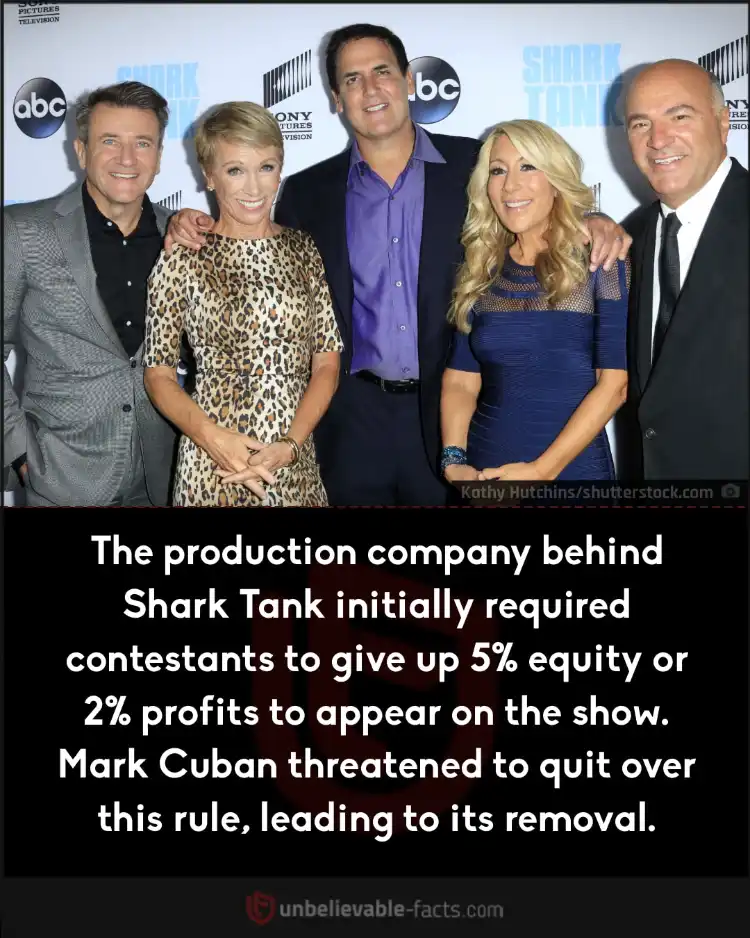
Across more than a decade on Shark Tank, Cuban invested an estimated $20 million to $25 million into dozens of small businesses. While television portrays these deals as spontaneous, the underlying economics reflect standard venture capital dynamics: a few runaway winners offset dozens of write-offs.
Notable successes from his portfolio include consumer brands like Dude Wipes, Ten Thirty One Productions, and Rugged Maniac. While the television portfolio represents a tiny fraction of his overall net worth, its primary dividend has been cultural capital. The show established Cuban as the premier brand-name investor for consumer founders across the United States, giving him proprietary deal flow that traditional angel syndicates cannot replicate.
Mark Cuban Cost Plus Drugs: The Legacy Chapter
In recent years, Cuban has pivoted his energy toward disrupting the American pharmaceutical market. Founded with Dr. Alexander Oshmyansky, the Mark Cuban Cost Plus Drug Company operates as a public-benefit corporation. Its model cuts out traditional pharmacy benefit managers (PBMs) by manufacturing and distributing generic prescription medications directly to consumers.
Cost Plus Drugs operates on a transparent pricing structure: the exact manufacturing cost plus a flat 15% markup, a $5 pharmacy labor fee, and standard shipping. Cuban has repeatedly stated that he no longer cares about optimizing for net-worth milestones; building a lasting, transparent alternative to legacy healthcare is his primary objective.
Financial Principles Behind Cuban’s Wealth
For entrepreneurs and investors studying Cuban’s career, several fundamental principles emerge from behind the sensational headlines:
- Protect the Downside: Cuban's collar trade on Yahoo remains the gold standard for protecting windfall wealth. Greed often ruins paper fortunes; proactive hedging locks them in.
- Cash Is Optionality: Maintaining high cash reserves allowed Cuban to buy the Mavericks, fund Cost Plus Drugs internally, and weather market downturns without relying on predatory debt.
- Sales Cures All: Cuban frequently repeats this mantra. In every venture from MicroSolutions to his sports empire, he treated direct sales and customer retention as the single irreplaceable metric of success.
Final Thoughts
Mark Cuban’s financial profile proves that long-term wealth creation is rarely accidental. While his timing during the late-1990s tech boom was extraordinary, his discipline to preserve that capital—and his subsequent skill in compounding it across sports, venture capital, and healthcare—is what truly defines his financial legacy.