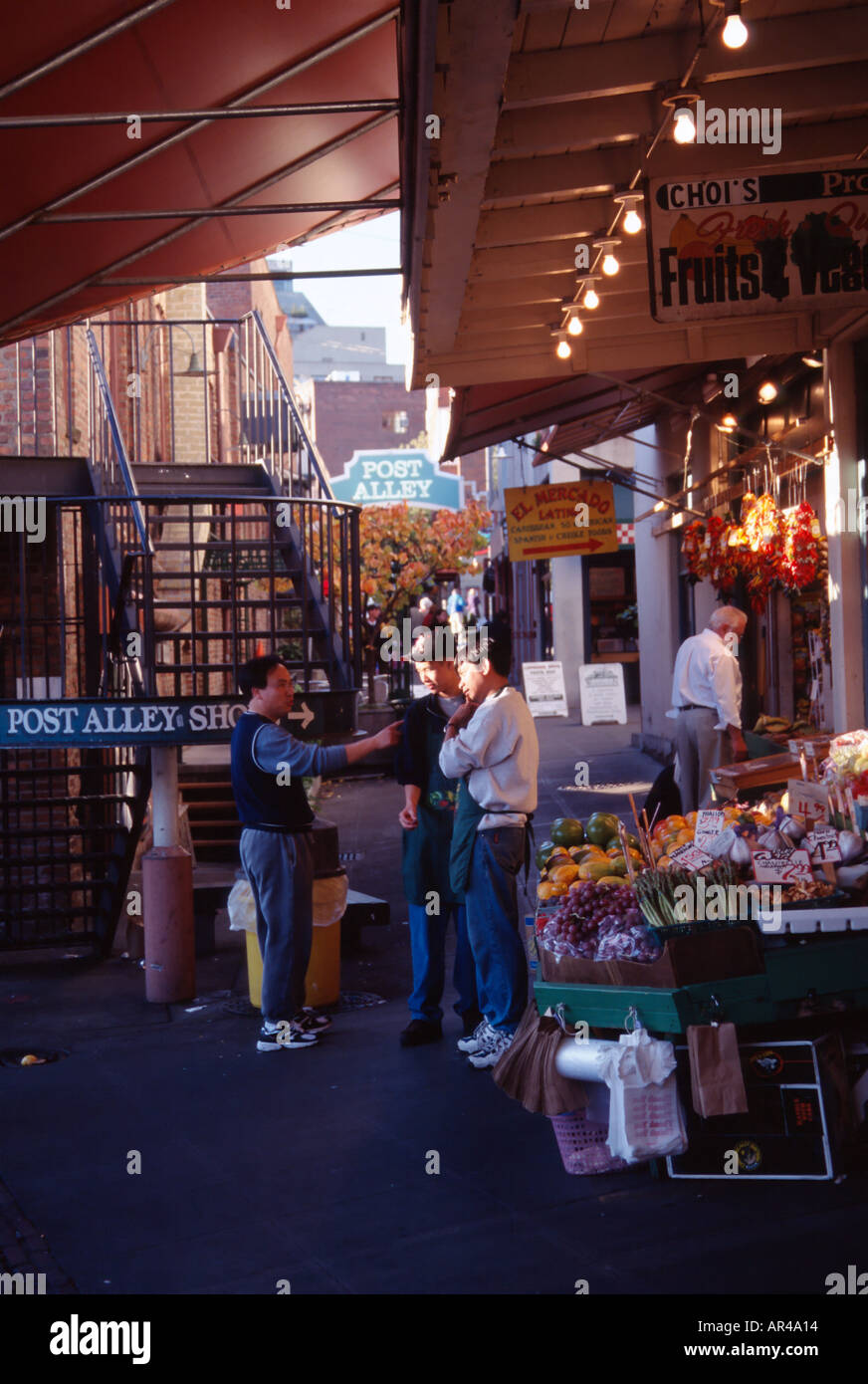
Marketplace Seattle: Why Everyone Is Talking About It
Seattle is a city defined by constant reinvention. From its tech boom to its legendary coffee culture, the Pacific Northwest metropolis thrives on innovation. Recently, locals and visitors alike have found a new obsession: Marketplace Seattle. Whether you are scrolling through social media feeds, listening to local podcasts, or chatting with neighbors, this new hub is the ultimate town square.

Far from a traditional shopping mall or a standard farmers market, this concept represents a fundamental shift in how urban communities consume goods, support local artisans, and gather. But what is all the fuss really about? Let's dive into the details driving the massive wave of buzz across the Emerald City.
The Evolution of Seattle Retail and Dining
To understand the excitement, you first need to look at the broader context of urban retail. Post-pandemic city centers required fresh thinking to draw people back into shared physical spaces. Traditional department stores gave way to experiential retail, and consumers increasingly demanded authenticity over mass-produced goods.
Seattle has always championed independent creators, from Pike Place fishmongers to neighborhood craft brewers. However, finding a unified destination that brought these diverse micro-economies together under one roof was rare. Enter Marketplace Seattle, designed specifically to bridge the gap between digital convenience and the irreplaceable charm of in-person discovery.
What Makes Marketplace Seattle Stand Out?
Several distinct pillars set this destination apart from older commercial centers in the region. It is not just a place to buy things; it is a sensory experience engineered around modern consumer values.
1. A Hyper-Local Curator Model
Mass retail chains are easily replaceable. Marketplace Seattle thrives by championing hyper-local vendors who define the Pacific Northwest identity. Shoppers can find:
- Handmade ceramics and home goods crafted by local Seattle artists.
- Boutique apparel lines focusing on sustainable, ethical manufacturing.
- Specialty pantry items, including locally roasted small-batch coffees, artisanal chocolates, and wild-harvested foraged goods.
2. Culinary Fusion and Experimental Dining
Food is a massive component of the buzz. Instead of a generic food court offering fast-food chains, this space functions as a culinary incubator. Chefs use the venue to test inventive menus that blend traditional Pacific Northwest ingredients with global street food techniques.
Video: ALL the BEST food at Pike Place Market [Seattle, WA] - AMERICA'S #1 CHOWDER + Can I Eat It All?

Visitors can sample hand-rolled dumplings using Washington-grown wheat, freshly shucked oysters from Puget Sound, and plant-based delicacies crafted by rising-star Seattle restaurateurs. The communal seating arrangements encourage strangers to share tables, spark conversations, and bond over shared plates.
3. Community-Centric Programming
A physical marketplace must offer more than transactions to survive in the digital age; it must offer connection. The venue routinely hosts:
- Live acoustic music sessions featuring local Seattle singer-songwriters.
- DIY craft workshops led by resident makers.
- Pop-up markets highlighting seasonal holidays and emerging creators.
The Economic Impact on Local Makers
Behind the social media hype and trendy aesthetics lies a profound economic engine. Scaling a small business in Seattle is notoriously difficult due to high commercial rent and operational costs.
Marketplace Seattle provides a lower-barrier entry point for independent makers. By offering flexible stall arrangements, shared operational resources, and built-in foot traffic, creators can test new products without risking financial ruin on a standalone brick-and-mortar storefront. This incubator approach keeps Seattle’s creative economy vibrant, diverse, and resilient against economic downturns.
How to Make the Most of Your Visit
If you are planning to experience the hype firsthand, a little strategy goes a long way. Because the space draws significant crowds during weekends and peak lunch hours, consider the following tips:
- Go off-peak: Visit mid-morning on a weekday or during early evening hours to browse comfortably and chat at length with the vendors.
- Come hungry: With so many incredible food stalls, grazing your way through multiple vendors is far more rewarding than committing to a single sit-down meal.
- Talk to the makers: The people working behind the counters are often the actual creators. Ask about their craft, their sourcing, and their stories—it transforms a simple shopping trip into a memorable cultural exchange.
Looking Ahead: The Future of Urban Hubs
The runaway success of Marketplace Seattle proves that consumers still deeply value physical community spaces, provided those spaces offer authenticity, quality, and a sense of shared purpose. As cities across North America look for blueprints to revitalize their urban cores, Seattle is once again leading the charge.
Whether you are a lifelong local looking to rediscover your city's creative pulse or a visitor wanting a genuine taste of modern Pacific Northwest culture, this destination deserves a spot at the top of your itinerary. Check it out for yourself, and you will quickly understand why everyone is talking about it.