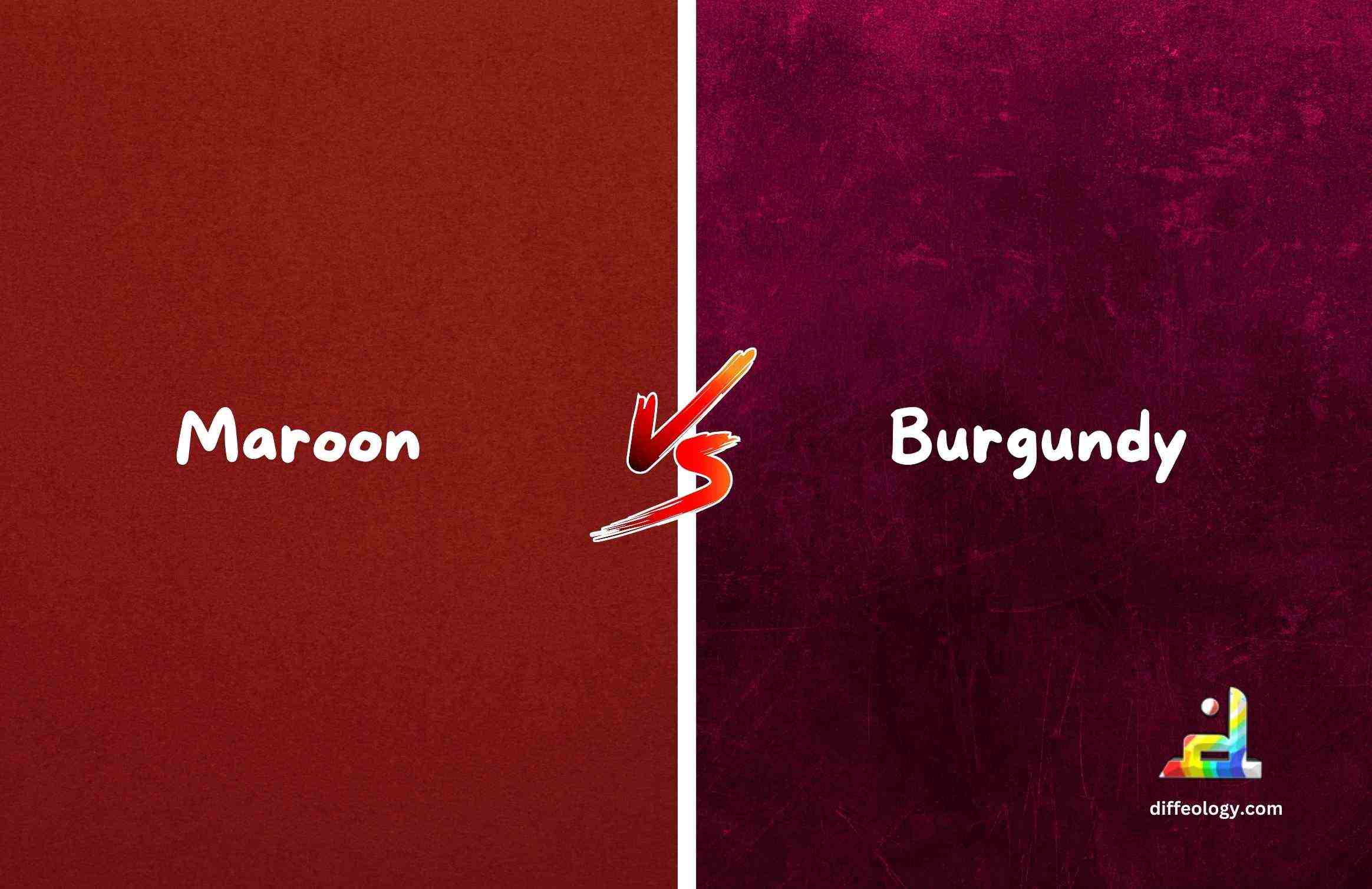
Maroon vs Burgundy Color: What's the Difference?
When autumn arrives or formal event season begins, dark red hues take center stage. Among the most popular and sophisticated options are maroon and burgundy. Because both sit on the darker end of the red spectrum, many people use the terms interchangeably. However, if you are matching paint swatches, designing a brand palette, or coordinating an outfit, understanding the nuances of maroon vs burgundy color is essential.

The Color Theory Behind Dark Reds
To understand the difference between maroon and burgundy, we have to look at how these colors are mixed. In traditional color theory, all shades of red are created by combining primary colors, but the secondary mixing agents are what set these two apart.
Both colors are deeply rooted in red, but their undertones—the subtle hues running beneath the surface—completely change their visual temperature and mood. While they may look nearly identical in dim lighting, natural daylight or professional digital design tools reveal distinct contrasts.
What is Maroon?
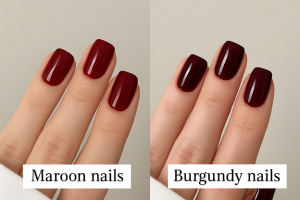
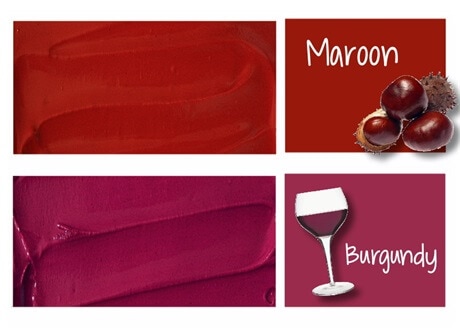
Maroon is a dark brownish-red color. The word originates from the French word marron, which means chestnut. To create maroon, you mix red with a significant amount of brown, and sometimes a tiny touch of black to deepen the value.
Key characteristics of maroon include:
- Warm Undertones: Because of the heavy brown base, maroon leans unmistakably warm.
- Earthy Vibe: It feels grounded, natural, and rustic, making it a staple in autumn palettes.
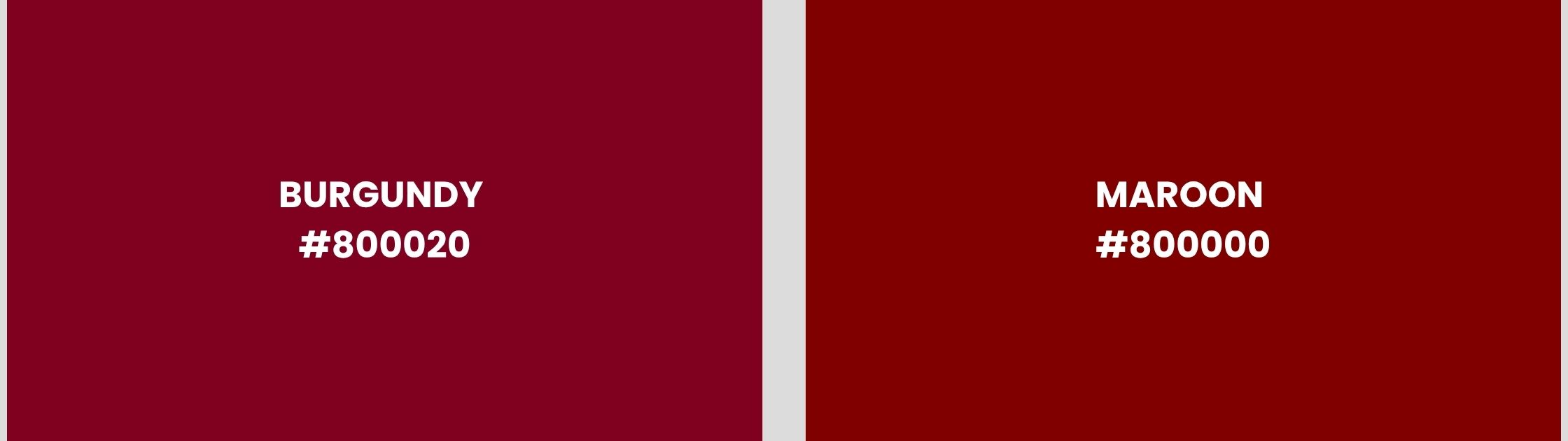
- HEX Code Example: Typically represented around #800000.
What is Burgundy?
Burgundy is a dark purplish-red color. It gets its name from the famous Burgundy wine produced in the eastern region of France. To create burgundy, you mix red with a strong dose of blue or purple, alongside a touch of dark brown or black.
Key characteristics of burgundy include:
- Cool Undertones: The presence of blue and purple gives burgundy a cooler, more regal temperature.
- AI or digital screens often render burgundy with a noticeable berry or plum tint.
- HEX Code Example: Typically represented around #800020 or #6B0D2F.
Direct Comparison: Maroon vs Burgundy
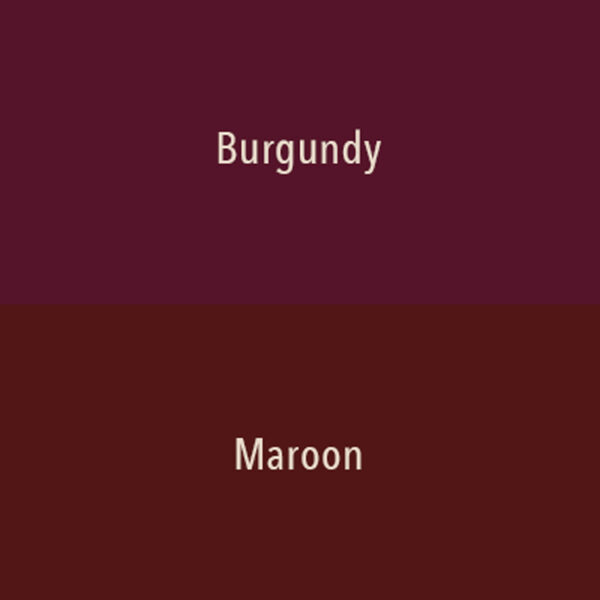
Placing the two colors side by side highlights the primary variance: temperature and secondary influence. Use this quick reference guide to tell them apart:
Video: Can men wear the color Maroon or Burgundy? (not red) - Assim al hakeem

- Base Mix: Maroon is red plus brown; burgundy is red plus purple/blue.
- Temperature: Maroon is warm and earthy; burgundy is cool and jewel-toned.
- Associations: Maroon evokes autumn leaves, leather, and rustic warmth. Burgundy evokes fine wine, velvet, royalty, and luxury.
How to Use Them in Fashion and Design
Choosing between these two shades depends heavily on the context, your skin tone (if you are picking clothing), or the mood you want to evoke in a room.
In Interior Design
Both shades add drama and sophistication to living spaces, but they create very different atmospheres:
Maroon works wonderfully in rustic, traditional, or craftsman-style homes. Pair maroon accent walls or leather armchairs with warm wood tones, brass hardware, and muted golds. It creates a cozy, inviting den atmosphere.
Burgundy shines in luxurious, modern-classic, or maximalist interiors. Think crushed velvet burgundy throw pillows, dark floral wallpapers, or dramatic dining room drapes. Pair burgundy with cool grays, deep emerald greens, or metallic silver accents for a high-end, dramatic look.
In Fashion and Wardrobe
Your personal coloring dictates which of these dark reds will make you look your best:
If you have warm undertones (golden, olive, or peachy skin), maroon will harmonize beautifully with your complexion. It acts as a rich neutral that complements autumn wardrobes.
If you have cool undertones (pink, blue, or porcelain skin), burgundy will make your features pop. A burgundy silk dress or winter coat provides a striking, jewel-toned contrast that brightens cool complexions.
Conclusion
While the debate of maroon vs burgundy color often comes down to personal preference, the technical difference is clear. Maroon is defined by its warm, earthy, brown undertones, while burgundy boasts a cool, luxurious, purple-blue influence. Recognizing these details ensures you select the exact shade you need for your next creative project, wardrobe upgrade, or home renovation.