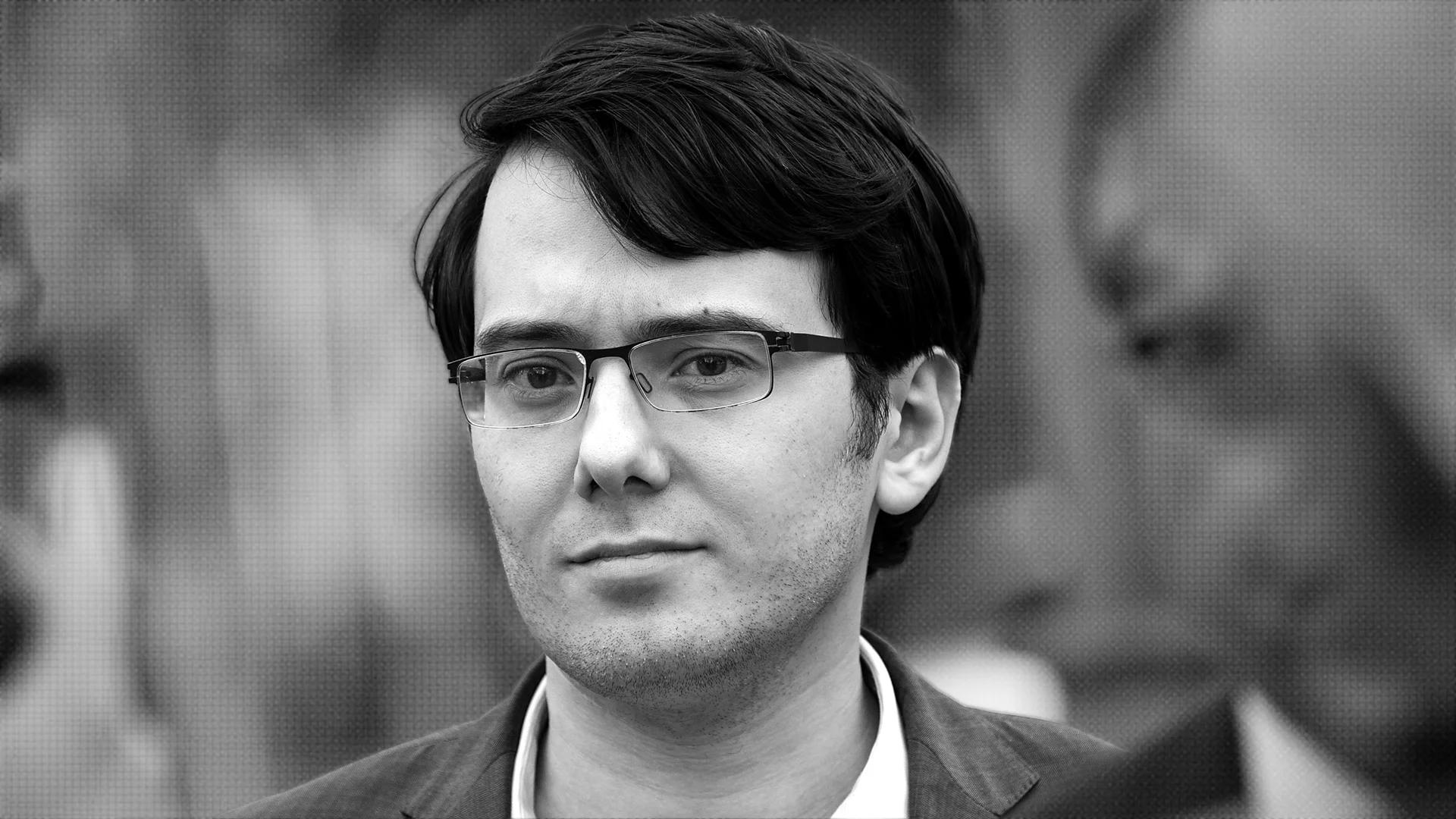
Martin Shkreli’s Wealth: Is the Comeback Real?
Introduction

Few figures in modern financial history evoke as much polarized reaction as Martin Shkreli. Dubbed the 'Pharma Bro' after aggressively hiking the price of the life-saving drug Daraprim by 5,000%, Shkreli eventually served a seven-year federal prison sentence for securities fraud. Since his release, he has remained a fixture of internet culture, podcast appearances, and decentralized tech circles. Recently, speculation has swarmed about his financial resurrection. Observers are left asking: in the wake of legal ruin and a lifetime SEC ban from the pharmaceutical industry, The Big Comeback: Is Martin Shkreli’s Wealth Stronger Than Anyone Believes?
The Downfall and Asset Seizure
To understand Shkreli's current financial standing, we have to look at what he lost. At his peak running Turing Pharmaceuticals and Retrophin, Shkreli accumulated a net worth estimated in the tens of millions. He famously spent $2 million on a one-of-a-kind Wu-Tang Clan album, Once Upon a Time in Shaolin.
However, his criminal conviction changed everything. A federal judge ordered Shkreli to forfeit $64.6 million in ill-gotten gains. The government seized his luxury assets, including the Wu-Tang album, brokerage accounts, and cash reserves. By the time he entered federal prison, his legitimate corporate empire was dismantled, and he was barred for life from serving as an officer or director of a public company.
Life After Prison: The Crypto and Tech Pivot
Prison did not quiet Shkreli’s ambition or his obsession with financial markets. Upon his release to a halfway house and subsequent home confinement, he immediately re-engaged with the digital world. Barred from traditional biotech and corporate governance, Shkreli pivoted where regulation is looser and pseudonymity is common: cryptocurrency and Web3.
Involvement in Decentralized Science and Crypto
Shkreli wasted no time establishing himself within tech circles again. He launched 'DRDGOLD' related ventures and began dabbling in decentralized science (DeSci)—an emerging field aiming to fund pharmaceutical research via blockchain tokens rather than traditional venture capital.
- Consulting for crypto and software startups utilizing private channels.
- Launching experimental web-based projects focused on drug discovery pipelines.
- Leveraging his massive social media presence to build communities around niche financial assets.
Critics argue these ventures are attempts to skirt regulatory oversight. Supporters, however, view them as classic Shkreli ingenuity: finding loopholes in traditional systems to generate high-yield returns.
Video: #118 Martin Shkreli on Drug Pricing, Being Hated/Rich and His GPT-4 Doctor

Evaluating the Rumors: Is Shkreli Actually Rich Again?
Rumors regarding Shkreli's bank accounts often circulate on platforms like X (formerly Twitter) and decentralized forums. Some whisper that he secretively held Bitcoin before his arrest that appreciated exponentially, while others claim his modern consulting fees for tech startups are astronomical.
Despite the internet chatter, financial analysts urge caution. The federal government is still owed a significant portion of his multi-million dollar forfeiture judgment. Any visible liquid wealth Shkreli generates is subject to federal clawbacks until his restitution obligations are satisfied. Consequently, holding massive, transparent fortunes in traditional banking institutions is virtually impossible for him.
However, wealth in the modern era is not limited to traditional bank accounts. Digital assets, decentralized finance (DeFi) protocols, and intellectual property stakes offer avenues to accumulate value that traditional legal frameworks struggle to track or freeze effectively.
The Psychological and Cultural Capital
Financial strength in the 21st century is tied just as closely to attention and personal branding as it is to cash in hand. In this metric, Shkreli’s capital is arguably stronger than ever.
By leaning into his villainous persona, Shkreli commands high engagement across digital platforms. Whether he is hosting spaces discussing biotech stocks, debating crypto founders, or selling access to his insights, his ability to monetize attention remains potent. While this form of cultural capital doesn't directly pay off a federal fine, it creates an informal ecosystem where he can always generate income, launch projects, and attract venture partners willing to overlook his past.
Conclusion
So, is Martin Shkreli sitting on a secret multi-million-dollar empire? The reality is likely more nuanced than internet speculators want to believe. While he faces immense legal debt, government oversight, and a permanent ban from traditional pharma, his adaptability in the tech and crypto spaces ensures he will never truly be broke. Shkreli's wealth may not be stronger than his peak corporate years, but his resilience—and his capacity to generate income in regulatory gray areas—proves that he remains a formidable, disruptive force in modern finance.