Master Colorado Tax Return Season Early
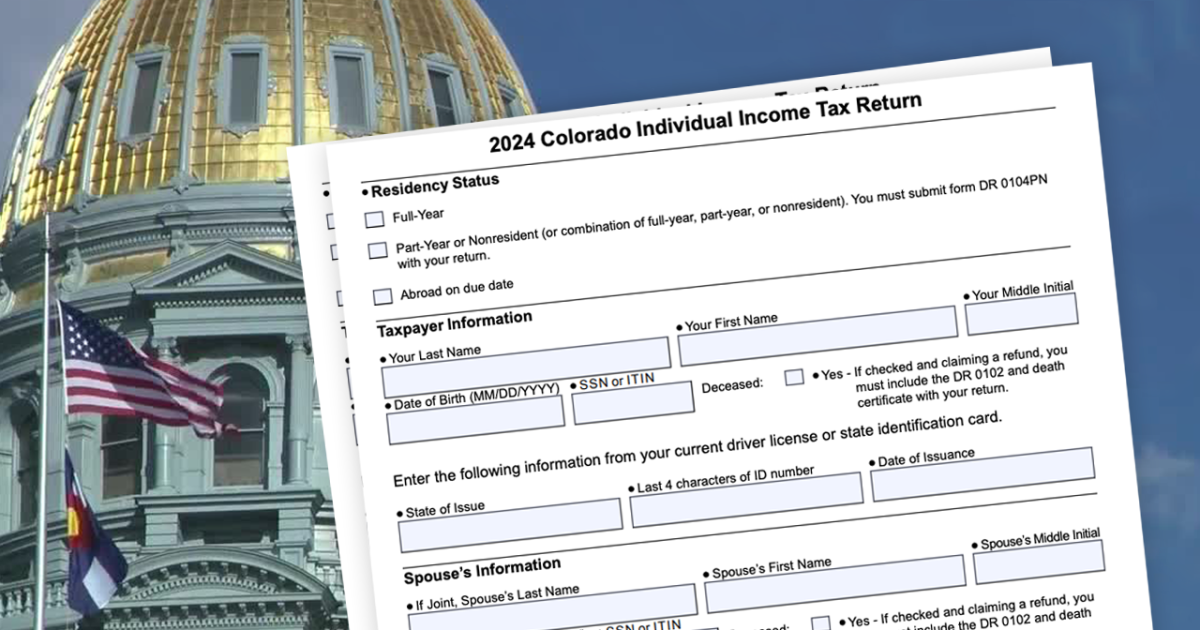
Filing state taxes can often feel like navigating a moving target, especially with frequent legislative updates at the local level. As April approaches, millions of residents begin gathering documents, but waiting until the last minute often leads to missed savings and unnecessary stress. To ensure a smooth filing process, you need to Get Ahead of Colorado Tax Return Season with Expert Insights that cut through the confusion and highlight what truly matters for your bottom line.

Whether you are a lifelong resident, a recent transplant, or a small business owner, understanding the nuances of the Centennial State's tax landscape is essential. In this guide, we break down critical deadlines, valuable state-specific deductions, and actionable steps you can take right now to optimize your financial outcome.
Key Deadlines and Timeline for Colorado Filers
Timing is everything when it comes to state taxes. Missing a key date can result in penalties and interest, even if you are owed a refund. Generally, Colorado state income tax returns are due on the same day as federal returns—typically April 15. However, if April 15 falls on a weekend or a holiday like Emancipation Day, the deadline shifts to the next business day.
If you need more time to gather your financial documents, Colorado automatically grants a six-month extension to file your return, pushing the final deadline to October 15. Keep in mind, however, that an extension to file is not an extension to pay. If you estimate that you will owe state taxes, you must submit an estimated payment by the April deadline to avoid late-payment penalties and interest.
Maximize Your Savings with State-Specific Deductions and Credits
One of the biggest advantages of preparing early is having the time to identify every deduction and credit you qualify for. Colorado offers several unique tax breaks that can significantly reduce your tax liability.
The Colorado Child Care Tax Credit (CCCTC)
Families face substantial financial pressure when paying for child care. The Colorado Child Care Tax Credit provides targeted relief to families based on their adjusted gross income (AGI). Unlike some federal credits, the state-level CCCTC offers a sliding scale, meaning lower- and middle-income families can receive a higher percentage of their child care expenses back as a credit.
TABOR Refunds and State Surpluses
Colorado's Taxpayer's Bill of Rights (TABOR) limits the amount of revenue the state can retain. When state revenues exceed the constitutional limit, the surplus is refunded to taxpayers. Depending on legislative decisions and economic performance in the prior year, TABOR refunds are often distributed as equal flat-rate payments to all eligible resident filers, regardless of income level. Keeping tabs on state announcements ahead of tax season helps you anticipate whether a TABOR refund will impact your return.
Property Tax and Rent/Heat Credits (PTC Rebate)
Low-income seniors and individuals with disabilities may qualify for the Property Tax/Rent/Heat Credit (PTC) rebate. This program refunds a portion of the property taxes or rent and heat expenses paid during the year. Reviewing the eligibility criteria early ensures that qualifying individuals do not leave money on the table.
Strategic Steps to Prepare Your Documents
Organization is your best defense against tax season anxiety. By following a structured checklist, you can streamline the filing process and reduce the likelihood of errors that trigger audits or processing delays.
- Gather income statements: Collect all W-2s from employers, 1099s from freelance or gig work, and investment income statements (like 1099-INT or 1099-DIV).
- Organize deduction receipts: Keep track of charitable donations, medical expenses, and professional education costs that exceed the threshold for itemized deductions.
- Verify personal information: Double-check social security numbers, current mailing addresses, and direct deposit details to prevent routing errors with your refund.
- Review last year's return: Compare your current financial situation to the previous year to identify major life changes, such as buying a home, having a child, or changing jobs.
Filing Options: DIY Software vs. Hiring a Professional
Once your documents are in order, you must decide how to file. Your choice depends largely on the complexity of your financial situation.
DIY Tax Software: For individuals with straightforward W-2 income and standard deductions, commercial tax software is often affordable and efficient. Many platforms integrate directly with the Colorado Department of Revenue, allowing you to file both federal and state returns simultaneously.
Certified Public Accountants (CPAs): If you are a small business owner, manage rental properties, experienced a major inheritance, or have complex multi-state tax situations, working with a qualified CPA or Enrolled Agent is usually worth the investment. An expert can uncover obscure state deductions and ensure compliance with ever-changing tax codes.
Final Thoughts
Approaching tax season proactively transforms a stressful chore into an opportunity to manage your financial health. By understanding key deadlines, utilizing state-specific credits, and organizing your documents well in advance, you can secure your refund faster and avoid unnecessary penalties. Take action today, stay informed, and make this tax season your most organized one yet.