Master Cultural Awareness with Heritage Guides
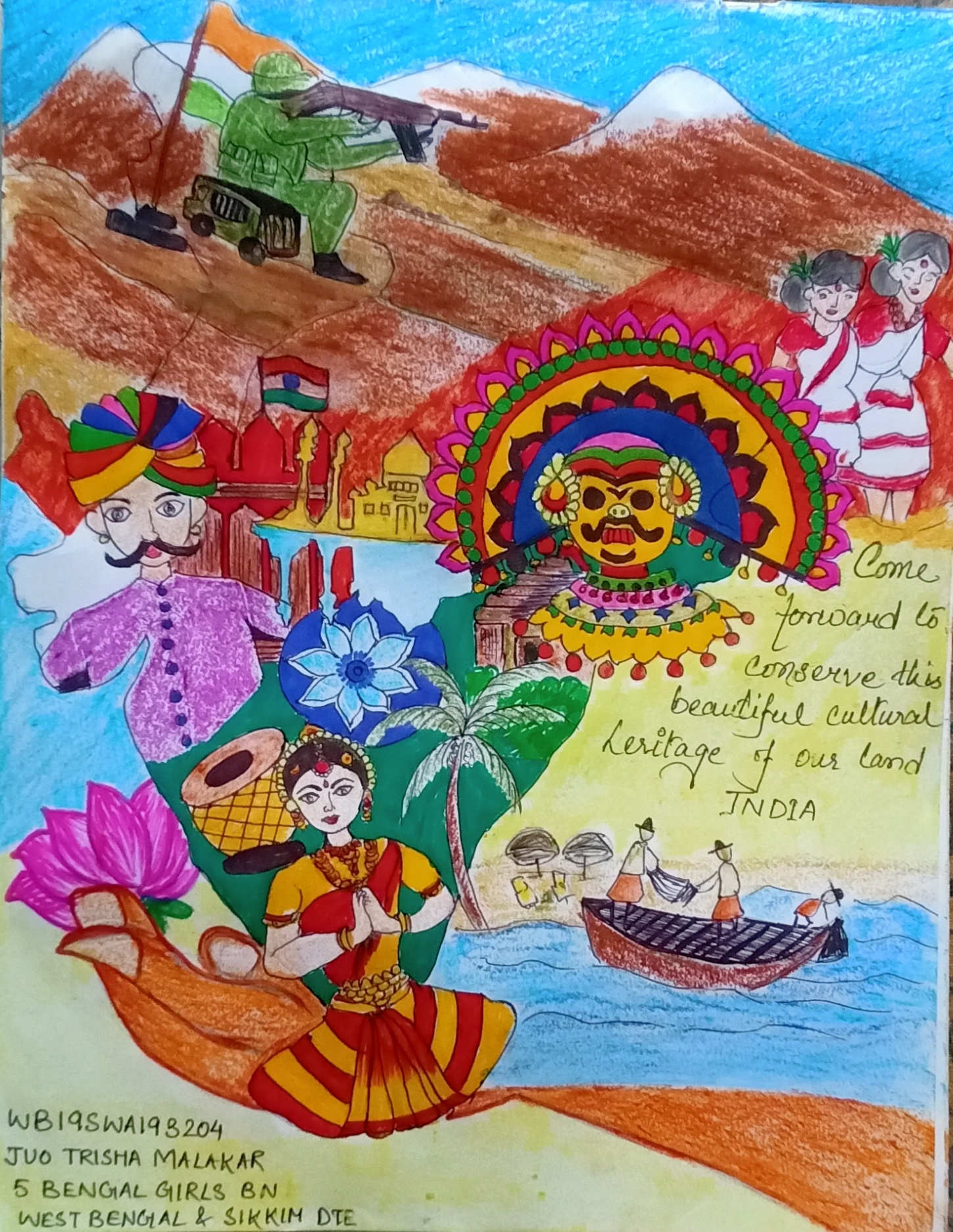
Modern travel often prioritizes quick photo ops and checklist tourism over genuine human connection. Yet, the most transformative journeys happen when we look beneath the surface of a destination. To truly understand a place, you need context, history, and a deep respect for local traditions. This is where you can master the art of cultural awareness with heritage guides, transforming ordinary vacations into profound intercultural exchanges.

What is Cultural Awareness in Travel?
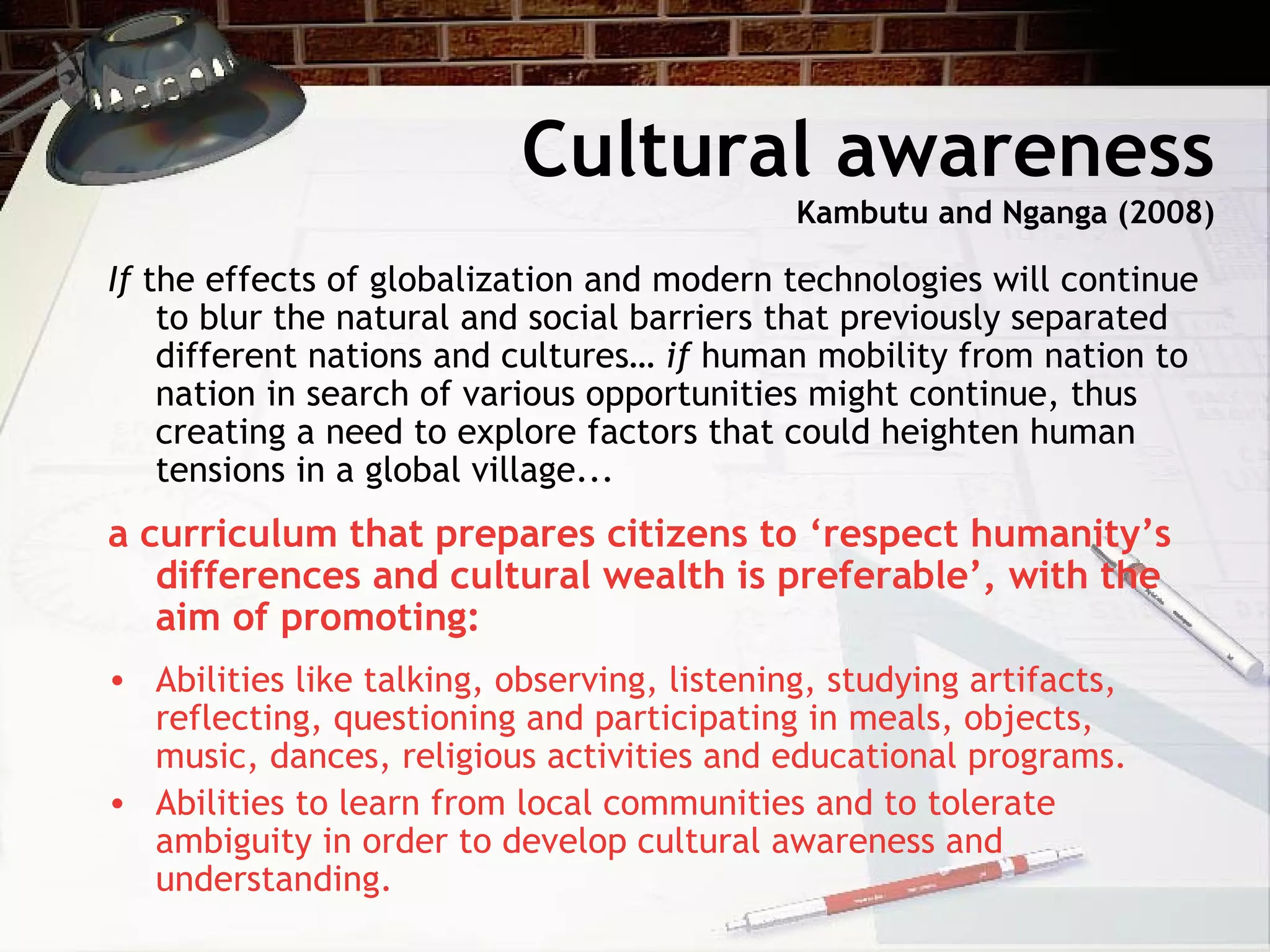
Cultural awareness is the ability to recognize, understand, and respect values, beliefs, and practices that differ from your own. When exploring a new country, it goes far beyond knowing what to tip or how to say "thank you" in the local language. It involves examining your own cultural biases and learning to view the world through a different lens.
Without this awareness, travelers risk reducing complex societies to mere backdrops for their personal experiences. Worse, they can inadvertently cause offense, reinforce harmful stereotypes, or miss out on the rich stories embedded in daily local life. Developing this skill takes intentional effort, humility, and the right educational tools.
How Heritage Guides Bridge the Cultural Gap
Heritage guides—whether they are specialized local experts, written companion books, audio tours, or indigenous-led community programs—act as interpreters of culture. They provide the narrative framework that turns a physical monument into a living history lesson.
Uncovering Hidden Context
A standard guidebook might tell you when a temple was built, but a heritage guide explains the philosophical and spiritual underpinnings of why it was built that way. They share the oral histories, folklore, and social structures that shape how modern residents interact with their environment. This context prevents tourists from treating sacred spaces or historical sites merely as aesthetic backdrops.
Facilitating Respectful Interactions
Every culture has unwritten social contracts. How do you approach an elder in a rural Japanese village? What are the modesty expectations when entering a cathedral in Southern Europe? Heritage guides outline these unspoken rules clearly, helping you avoid uncomfortable faux pas and showing locals that you respect their home.
Video: Interpretation Tips for Tour Guides - Interpreting Culture, the Environment, History and Heritage
Practical Steps to Master Cultural Awareness with Heritage Guides
Integrating heritage guides into your travel preparation and execution requires a structured approach. Here is how you can use them effectively:
- Start with pre-trip reading: Engage with historical narratives, local literature, and anthropological guides weeks before your departure to build a baseline understanding.
- Prioritize indigenous and local voices: Choose guides, tours, and literature created by members of the community you are visiting rather than outside observers.
- endless observation: Use your time on the ground to observe social rhythms, pacing, and community dynamics before jumping into conversations or photography.
- Ask open-ended questions: When working with human heritage guides, show genuine curiosity about daily life, traditions, and contemporary challenges rather than just historical facts.
Overcoming Common Pitfalls
Even well-intentioned travelers can stumble when attempting to navigate new cultures. Understanding these pitfalls helps you stay grounded.
The Trap of Essentialism
One common mistake is essentialism—assuming that every individual within a culture thinks, acts, and believes the exact same way. High-quality heritage guides emphasize diversity *within* a culture, highlighting regional differences, generational gaps, and subcultures.
The Exotifying Gaze
It is easy to view traditional practices through a lens of romanticized exoticism, treating living cultures as museum exhibits frozen in time. Heritage guides remind travelers that cultures are dynamic, modern, and constantly evolving. The people you meet are living contemporary lives, not performing an eternal cultural show for tourists.
The Long-Term Benefits of Mindful Exploration
The practice of cultural awareness does not pack its bags when your vacation ends. The empathy, patience, and perspective gained through deep engagement with heritage guides stay with you. You become a more observant listener, a more thoughtful neighbor, and a conscious global citizen.
By shifting your travel philosophy from consumption to connection, you honor the destinations you visit. The next time you plan a journey, look past the standard itineraries and invest in resources that elevate your understanding. Embrace the depth, respect the context, and let transformative travel begin.