Master Scouting with Expert Basketball Scouting Report Guides
Mastering the Art of Player Evaluation

Basketball scouting is far more than simply watching a player score points or grab rebounds. Whether you are coaching at the high school level, managing a collegiate program, or building content for an analytical blog, evaluating talent requires a systematic, objective approach. Beginners often fall into the trap of focusing solely on the ball, missing the subtle yet vital nuances that dictate winning basketball.
To elevate your analysis, you must leverage expert basketball scouting report guides that streamline your workflow and sharpen your observational skills. Without a structured framework, scouts frequently suffer from cognitive biases, letting a single flashy play overshadow fundamental flaws or defensive lapses. By adopting professional methodologies, you can accurately project how a prospect will translate to higher levels of competition.
Common Pitfalls in Amateur Scouting
Before diving into best practices, it is crucial to recognize where beginners typically stumble. Avoiding these rookie mistakes will instantly improve the reliability and accuracy of your player evaluations.
1. Falling in Love with the Highlight Reel
One of the most frequent errors is overvaluing explosive athleticism and deep three-point shooting while ignoring efficiency and decision-making. A player might look like an NBA lottery pick during warmups or in a cherry-picked highlight montage, but how do they perform when the defense shifts and sets traps? Novice scouts often fail to track empty possessions where a player holds the ball too long or forces bad shots.
2. Ignoring the Defensive End
It is easy to grade offensive production because box scores make points, assists, and rebounds readily available. Defense, however, requires active charting and sustained focus. Beginners often miss missed rotations, poor defensive stance, and a lack of communication. A true expert scouting report weighs defensive versatility and team-first habits just as heavily as offensive skill.
3. Neglecting Context and Competition Level
Scouting numbers in a vacuum are dangerous. A dominant scoring guard playing against weak high school competition will experience a steep learning curve at the collegiate or professional level. Experts always contextualize stats based on usage rate, pace of play, and the strength of the opposing team's defensive schemes.
Building a Comprehensive Scouting Framework
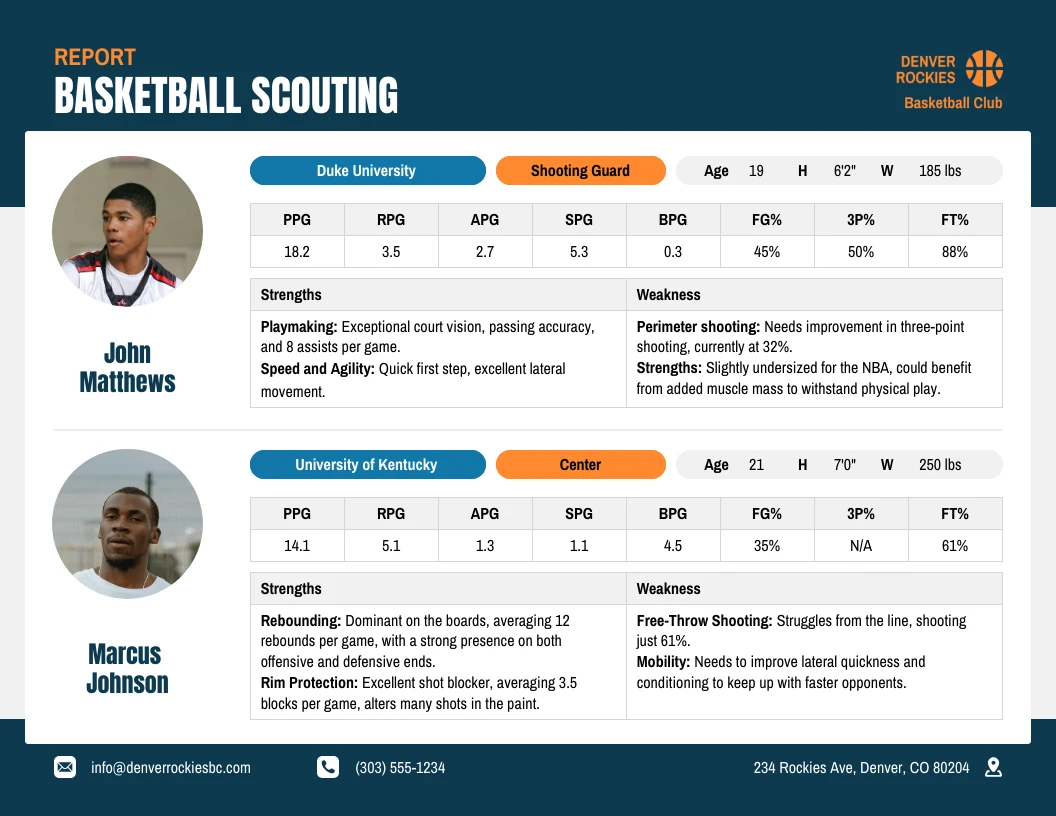
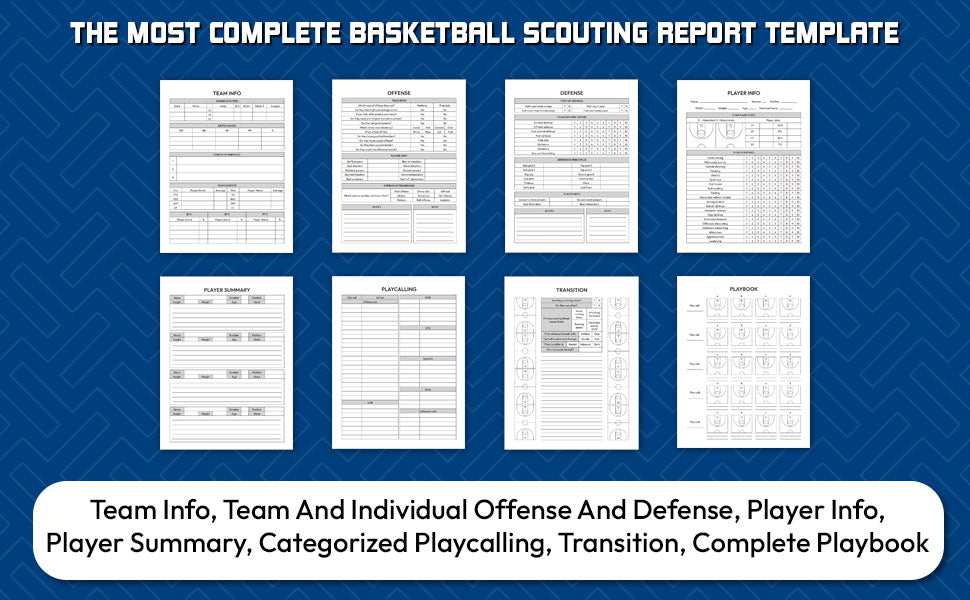
To produce actionable insights, your reports need a standardized structure. Relying on memory or disorganized notes leads to flawed conclusions. Professional organizations break down evaluations into distinct, manageable categories.
- Physical and Athletic Profile: Height, wingspan, lateral quickness, and functional strength.
- Offensive Skill Set: Shooting mechanics, passing vision, off-ball movement, and finishing ability under contact.
- Defensive Impact: On-ball containment, help-side awareness, rebounding effort, and block/steal timing.
- Intangibles and BBIQ: Basketball IQ, body language after mistakes, leadership, and coachability.
When you map a prospect against these four pillars, you create a holistic picture that goes far beyond raw box-score statistics. This structured method ensures you evaluate every player using the exact same rubric, minimizing personal bias.
Leveraging Video and Advanced Metrics
Modern basketball evaluation relies heavily on a hybrid approach combining traditional film study with advanced analytics. Relying solely on the eye test can lead to confirmation bias, while relying solely on numbers strips away the human element of the game.
Effective Film Breakdown Techniques
When reviewing game tape, do not just watch the whole game passively. Use specialized software or basic playback tools to log specific possessions. Focus on tracking:
- How the player reacts when they do not have the ball in their hands.
- Their defensive recovery speed after getting beat on the first step.
- Decision-making in transition versus set half-court offenses.
Integrating Basic Analytics
You do not need a degree in data science to utilize smart metrics. Look beyond traditional points per game and evaluate efficiency indicators such as True Shooting Percentage (TS%), Effective Field Goal Percentage (eFG%), and Usage Rate (USG%). These metrics help you determine whether a prospect is genuinely elite or simply consuming a high volume of possessions on a poor team.
Finalizing Your Scouting Reports
The ultimate goal of any scouting report is communication. Whether you are handing this report to a head coach or publishing it for an audience, clarity is paramount. Keep your write-ups concise, use clear grading scales (such as a 20-to-80 scouting scale or tiered categories), and always highlight both a player's immediate utility and their long-term developmental ceiling.
By steering clear of common amateur mistakes—such as overrating raw athleticism, ignoring defense, and skipping contextual data—you will produce professional-grade evaluations. Embrace structured methodologies, trust the film, and let objective data guide your final conclusions.