Master the Golden Gate Bridge Length for Daily Focus
When we look at monumental tasks, we often feel overwhelmed. The sheer scale of a major career goal, a creative project, or even a daily to-do list can trigger mental paralysis. However, by learning how to master the Golden Gate Bridge length for daily focus, you can reframe how you approach monumental challenges. Instead of seeing an insurmountable gap, you learn to break massive distances—and massive goals—into intentional, manageable strides.

San Francisco’s legendary suspension bridge is an engineering marvel, spanning a staggering physical distance across treacherous waters. Yet, every commuter, runner, and tourist who crosses it does so one step at a time. By examining the true dimensions of this landmark and applying its scale to cognitive psychology, you can build a resilient, laser-focused daily routine.
Understanding the Golden Gate Bridge Dimensions
To use this iconic landmark as a mental anchor, it helps to understand the actual numbers. The Golden Gate Bridge is not just a single stretch of road; it is a carefully calculated system of spans, towers, and anchorage units designed to withstand powerful ocean currents and fierce winds.
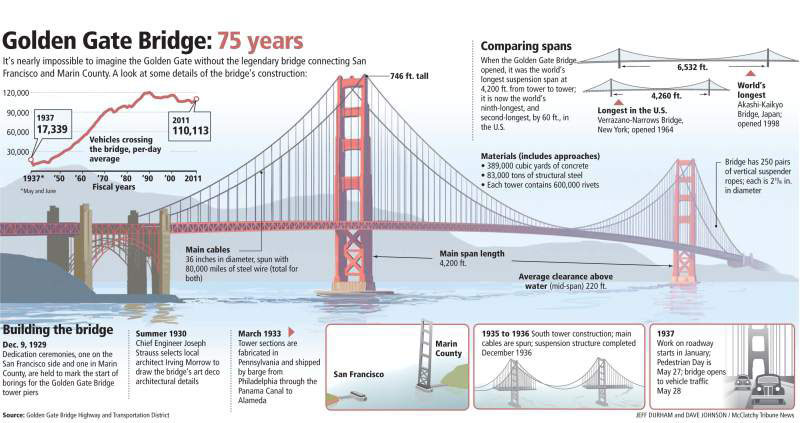
- Total Length: 1.7 miles (8,981 feet or 2,737 meters), including the approaches from abutment to abutment.
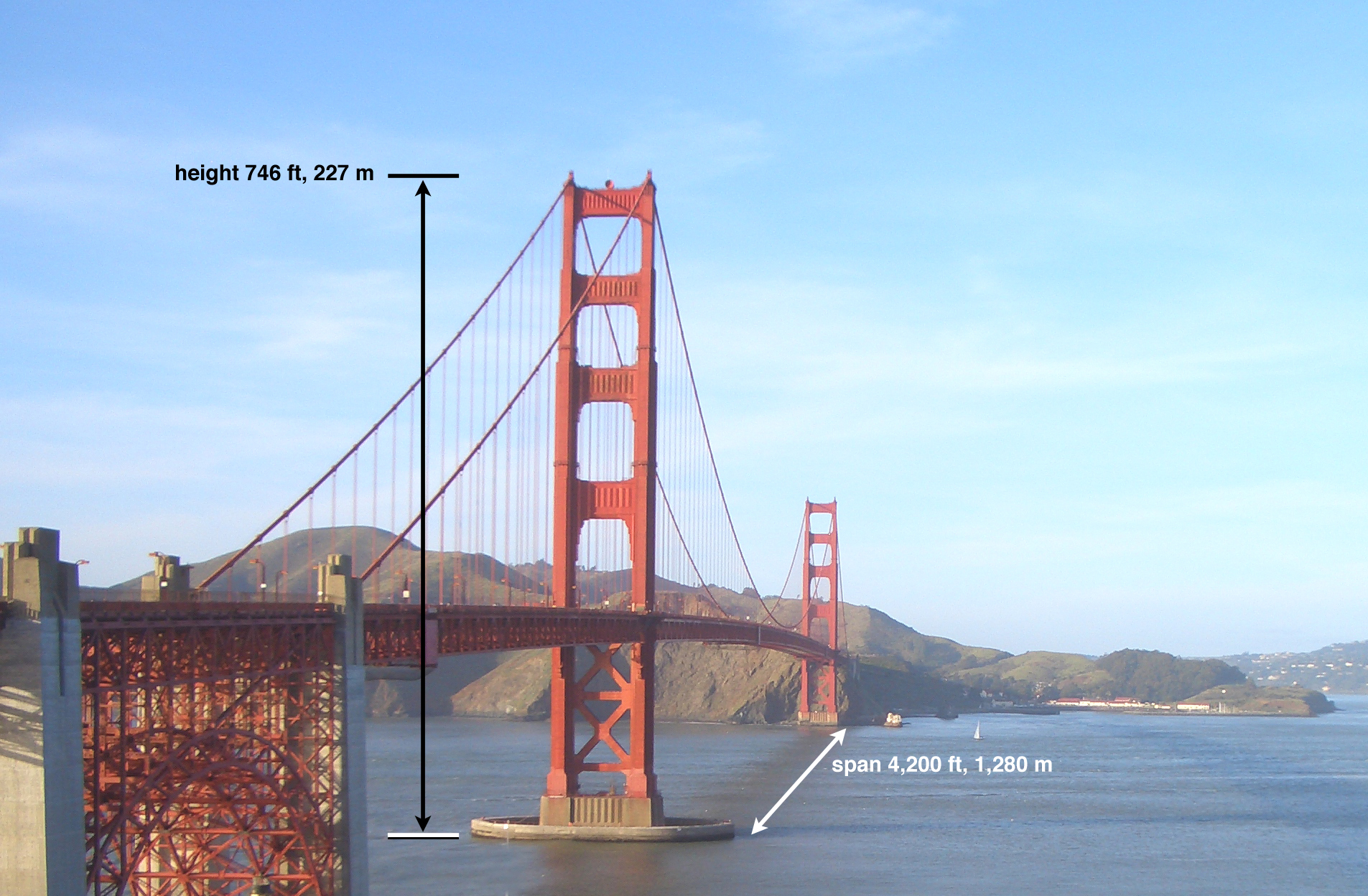
- Main Span: 4,200 feet (1,280 meters) stretching between the two magnificent art deco towers.
- Tower Height: 746 feet above the water, standing as towering reminders of structural integrity.
- Clearance: 220 feet above high water, allowing massive ships to pass underneath safely.
When you walk or drive across this expanse, you move through distinct phases: the approach, the main tower stretch, the sweeping middle ocean span, and the final descent. Each section requires a different kind of attention, much like the phases of a complex workday.
Breaking Big Goals Into Manageable Spans
The human brain struggles to process abstract, long-term outcomes effectively. When you tell yourself, "I need to write a book this year" or "I need to master a new industry," the destination feels too far away. This cognitive friction often leads to procrastination.
By applying the structural layout of the bridge to your workflow, you create structural integrity for your day:
- The Approach (Preparation): Just like the approach spans leading up to the main bridge, your morning routine sets the stage. Check your tools, clear your desk, and review your top priority before diving into deep work.
- The Main Span (Deep Focus): The 4,200-foot main span represents your core, uninterrupted work block. This is where you put your head down and tackle the hardest task of the day without distractions.
- The Anchorage (Reflection): Every suspension bridge requires massive anchorage blocks buried deep in concrete to hold the cables in place. For your daily focus, your anchorage is midday review—a moment to ground yourself, stretch, and ensure your efforts remain secure.
Practical Steps for Sustained Concentration
Knowing the dimensions of a bridge won't help your productivity unless you translate those metrics into daily habits. Building endurance for intense mental focus requires training, pacing, and environmental design.
Video: Golden Gate Bridge: Inside World's Most Expensive Bridge Renovation

Design Your Cognitive Suspension System
A suspension bridge works because tension and compression forces are balanced perfectly across the cables and towers. Similarly, your daily focus relies on balancing periods of intense output (tension) with strategic rest (compression).
Avoid trying to sprint through an entire eight-hour workday without a break. Instead, divide your day into distinct "spans" of 60 to 90 minutes. Within those blocks, eliminate all digital notifications, close unnecessary browser tabs, and commit fully to a single output. When the span ends, take a mandatory five-to-ten-minute pause to let your mental cables relax before the next crossing.
Anchor Your Mind Against Distractions
High winds frequently buffet the Golden Gate Bridge, causing the deck to sway safely up to several feet. In the same way, external distractions—emails, unexpected meetings, social media pings—will constantly test your mental stability.
To maintain your focus:
- Establish a physical or digital boundary that signals "deep work" to your brain.
- Use noise-canceling headphones or ambient soundscapes to simulate a controlled environment.
- Write down stray thoughts on a scratchpad so they don't derail your current cognitive span.
Crossing the Finish Line Every Day
Ultimately, mastering your attention is not about working harder; it is about crossing your daily tasks with rhythm and intention. By visualizing your goals through the architectural framework of San Francisco's most famous landmark, you transform intimidating workloads into inspiring journeys.
Start tomorrow morning by viewing your primary task as your own personal main span. Take it one steady step at a time, respect the power of structured pacing, and watch how easily you reach the other side.