Master Utility Bill Calculation Tools to Avoid Errors
Why Utility Billing Accuracy Matters

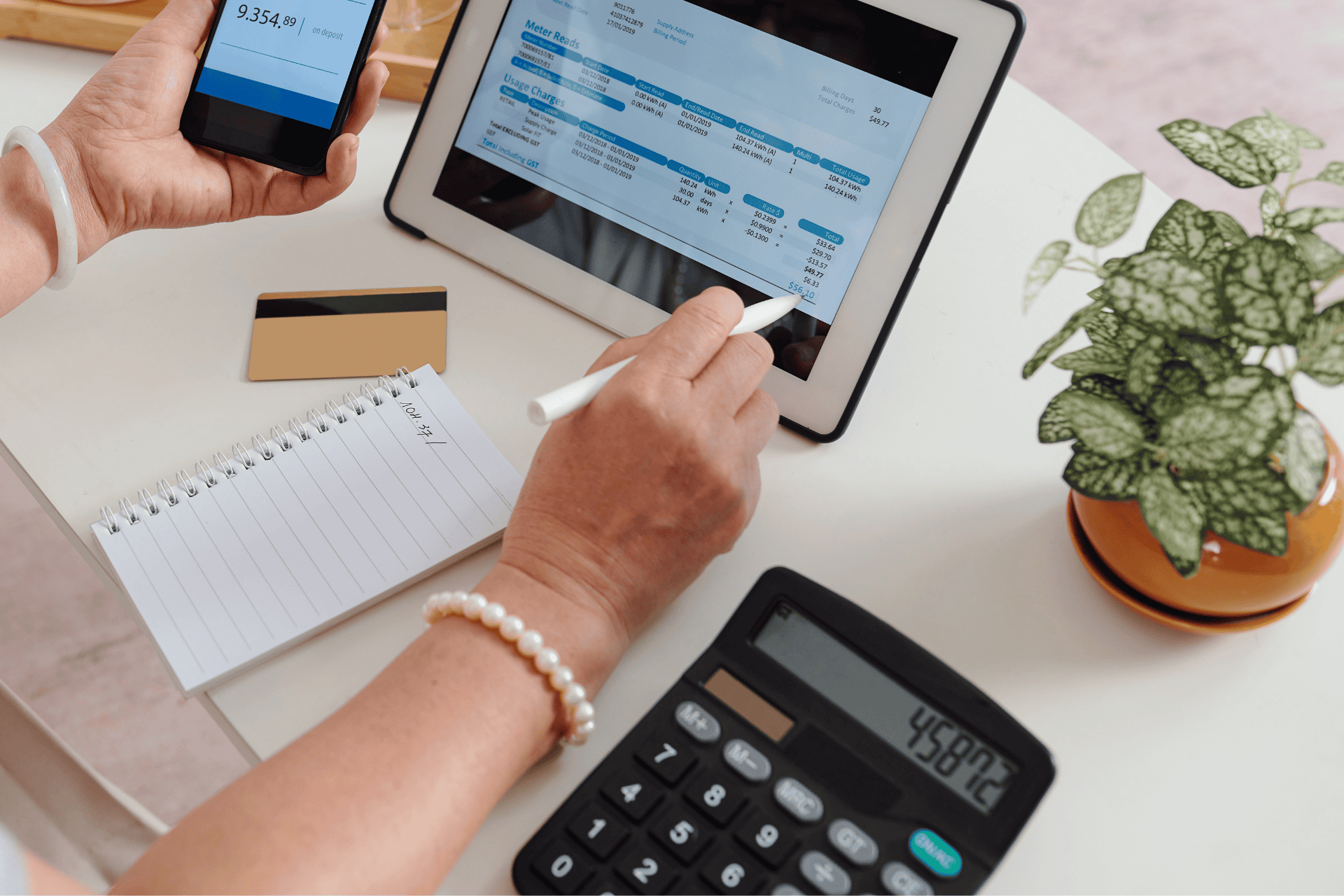
Utility costs represent a massive operational expense for property managers, landlords, and business owners. When bills are calculated manually, human error almost always creeps in. A misplaced decimal point, an outdated rate tier, or a mistyped meter reading can lead to massive overcharges, undercharges, and frustrating tenant disputes. Utilizing robust utility bill calculation tools completely changes this dynamic by automating the math and applying complex tariff rates consistently.
Accuracy goes beyond just keeping tenants happy. For commercial operators, precise tracking of electricity, water, and gas helps identify waste, verify vendor invoices, and ensure compliance with local energy disclosure laws. Without digital tools, catching a faulty meter or a sudden spike in consumption can take months, bleeding thousands of dollars from your bottom line.
Common Causes of Utility Calculation Mistakes
Before implementing software solutions, it helps to understand where manual calculations typically fail. Knowing these pitfalls highlights why automated systems are indispensable.
Human Data Entry Errors
Reading physical utility meters and typing those numbers into spreadsheets is a tedious chore prone to typos. Transposing two digits can instantly skew a billing cycle's results, resulting in angry phone calls and tedious manual audits.
Complex Tariff Structures
Utility providers rarely charge a flat rate. Most use tiered pricing, time-of-use (TOU) rates, demand charges, and seasonal adjustments. Manually calculating bills that span multiple tiers or peak hours is complex and heavily prone to calculation oversights.
Forgetting Fixed Fees and Taxes
Beyond actual consumption, utility bills include fixed service charges, regulatory fees, municipal taxes, and stormwater fees. When splitting a master bill among multiple units, forgetting to proportionately distribute these fixed costs often leaves the property owner footing the balance.
How Accurate Utility Bill Calculation Tools Work
Modern utility calculation software connects raw data to automated formulas, ensuring every penny is accounted for. These platforms ingest master utility invoices or submeter readings and process them through predefined rules.
Video: Identifying Utility Bill Errors with Angela
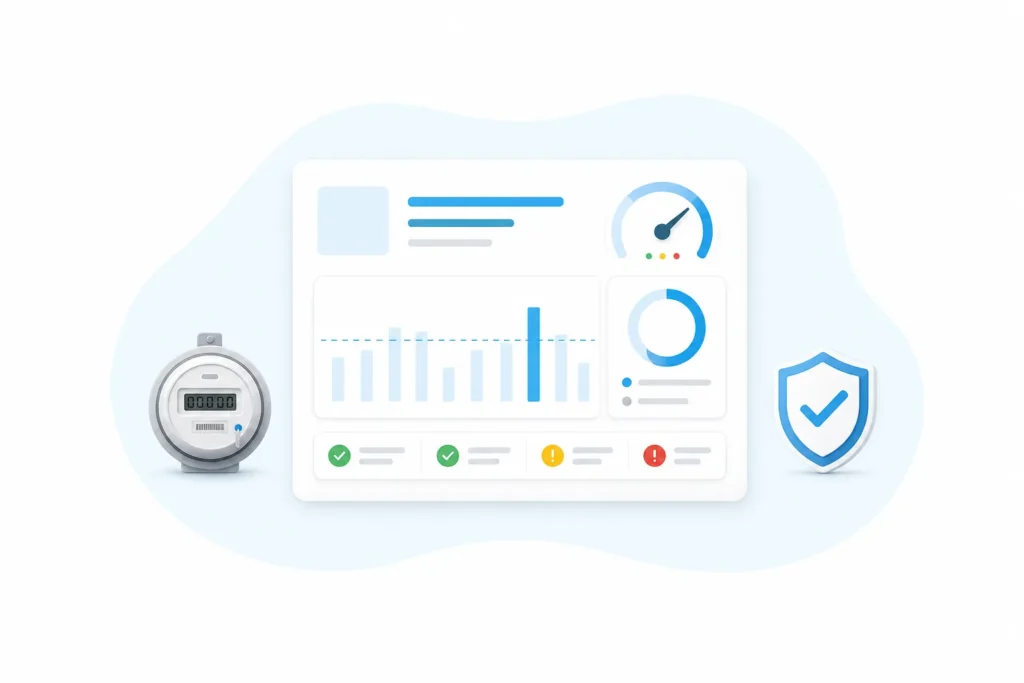
Most advanced tools feature direct integration with smart meters and IoT devices. This means consumption data flows straight into the system without manual intervention. The software then applies the exact utility provider rate schedules—including tiered pricing and peak hours—to generate precise individual statements.
Key Features to Look for in Calculation Software
Not all billing tools are created equal. When shopping for software to prevent billing discrepancies, look for these essential capabilities:
- Automated Rate Engine: The ability to update and apply complex utility tariff structures automatically.
- Submetering Integration: Compatibility with electric, gas, and water submeters for precise usage tracking.
- Custom Allocation Rules: Flexibility to split bills based on square footage, occupant count, or exact submeter readings.
- Audit Trails: Detailed logs showing historical readings, calculation steps, and past invoices to resolve disputes instantly.
- Tenant Portal: A user-facing dashboard where residents can view their usage trends and download their statements.
Best Practices for Implementing Billing Tools
Investing in software is only half the battle. To truly eliminate mistakes, follow a structured implementation process.
1. Audit Existing Infrastructure
Before connecting software, ensure your physical submeters are calibrated and functioning correctly. No software can fix bad data generated by a broken meter.
2. Double-Check Initial Rate Configurations
Take the time to input your local utility provider's rate schedules meticulously. Test the system with a mock billing cycle to ensure tier thresholds and peak multipliers apply correctly before sending statements to real tenants.
3. Maintain Transparent Communication
Introduce the new calculation system to your tenants or stakeholders. Explain how the tools ensure fairness and transparency, showing them how their usage directly translates to their monthly charges.
Conclusion
Manual utility calculations are a relic of the past, inviting unnecessary financial risk, wasted hours, and tenant friction. By leveraging accurate utility bill calculation tools, you protect your cash flow, ensure absolute fairness in cost allocation, and streamline your entire administrative workflow. Transitioning to automated calculation software isn't just about saving time—it is about achieving total confidence in your financial operations.