Mastering Academic Planning at CSUF
Mastering the Art of Academic Planning at Cal State Fullerton University
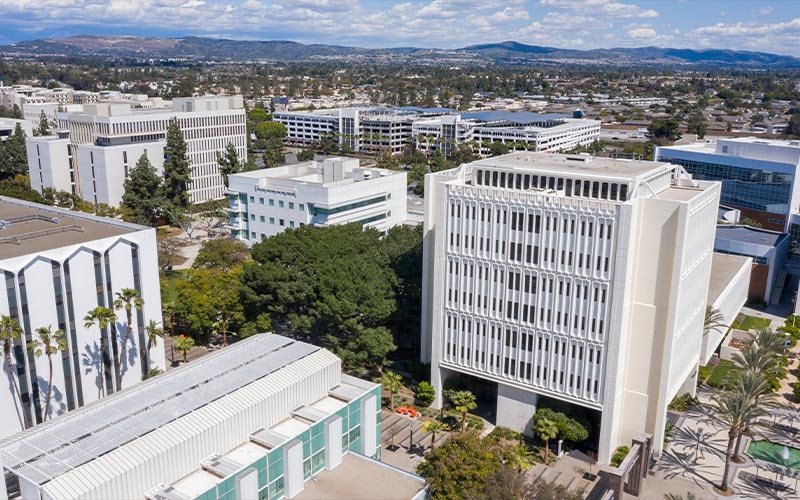
Navigating a university of over 40,000 students requires more than just attending lectures and turning in assignments on time. To truly thrive at California State University, Fullerton (CSUF), students must take a proactive approach to organizing their educational path. Whether you are an incoming freshman trying to understand general education requirements or a transfer student mapping out your upper-division coursework, **mastering the art of academic planning at Cal State Fullerton University** is the single most effective way to reduce stress, avoid costly extra semesters, and graduate on time.
CSUF offers robust resources, specialized advising structures, and intuitive digital tools designed to help you succeed. However, these tools are only as powerful as the student using them. By understanding how to leverage your Titan Degree Audit, build balanced semester schedules, and collaborate with your advisors, you can take complete control of your college career.
Essential Tools for CSUF Students
Before you can build a successful multi-year plan, you need to familiarize yourself with the official platforms provided by Cal State Fullerton. These digital ecosystems keep track of your progress, list available classes, and help you map out your remaining requirements.
Navigating the Titan Degree Audit (TDA)
The Titan Degree Audit, commonly known as the TDA, is your ultimate academic blueprint at CSUF. Accessible via your student portal, the TDA compares your completed coursework, current enrollments, and transfer credits against the specific graduation requirements for your major.
- Green Checkmarks: Indicate completed or currently enrolled requirements.
- Red Unchecked Boxes: Highlight requirements that still need to be fulfilled.
- IP (In Progress): Shows classes you are currently taking.
Make a habit of reviewing your TDA at least three times a semester: before registration opens, right after grades are posted, and before meeting with your academic advisor.
Utilizing the CSUF Titan Scheduler
When registration window opens, timing is everything. The Titan Scheduler—integrated directly into your student portal—allows you to input your desired courses, block out times for work or commuting, and automatically generate every possible conflict-free schedule combination. Once you find the ideal layout, you can export those courses straight to your shopping cart with a single click.
Step-by-Step Degree Roadmapping
A degree roadmap is a semester-by-semester guide provided by your academic department. It outlines the optimal sequence of courses required to earn your bachelor’s degree in four years (or two years for transfer students). Here is how to use and adapt your roadmap effectively:
- Locate Your Specific Roadmap: Visit the CSUF academic programs page for your major to find the official roadmap corresponding to your catalog year.
- Identify Prerequisite Chains: Many advanced courses require foundational prerequisites. Always prioritize taking these early to prevent bottlenecks in your junior and senior years.
- Balance Your Workload: Avoid stacking multiple heavy lab or writing-intensive courses in the same semester. Pair rigorous major classes with more manageable general education (GE) electives.
Leveraging Academic Advising on Campus

Even the most organized students need guidance. CSUF utilizes a dual-advising model that combines general education counseling with major-specific faculty advising. Knowing who to talk to can save you weeks of confusion.
College-Specific Student Success Centers
Every college at CSUF—whether it's Mihaylo College of Business and Economics or the College of Humanities and Social Sciences—features a dedicated Student Success Center. These centers employ professional advisors who specialize in university policies, graduation requirements, and GE rules. Schedule an appointment here at least once a year to ensure you are meeting all institutional milestones.
Faculty Advisors
Once you dive deeper into your major, your department faculty members become invaluable resources. They can provide industry insights, research opportunities, internship recommendations, and guidance on graduate school applications. Building a strong relationship with a faculty advisor bridges the gap between academic planning and professional success.
Strategies for Overcoming Common Roadblocks
Despite careful planning, unexpected challenges can arise during your time at Cal State Fullerton. Knowing how to handle these hurdles keeps your graduation timeline intact.
Dealing with Impaired Courses and Waitlists
High-demand classes often fill up quickly. If you find yourself on a waitlist, do not panic. Attend the first week of class regardless of your position, introduce yourself to the professor, and keep an eye on your student email for permission numbers. Having a backup course ready in your shopping cart ensures you maintain full-time status (at least 12 units) for financial aid purposes if you ultimately cannot secure a spot.
Balancing Academics, Work, and Extracurriculars
Many Titans balance part-time or full-time jobs alongside their studies. If you work more than 20 hours a week, consider reducing your unit load to 12 or 13 units and utilizing winter intersession or summer courses to stay on track. CSUF offers robust summer and winter term options that allow you to chip away at GE requirements without overwhelming your fall and spring schedules.
Conclusion: Taking Ownership of Your Titan Journey
Academic planning is not a one-time task you check off your to-do list during orientation; it is an ongoing, dynamic process. By regularly consulting your Titan Degree Audit, sticking closely to your department roadmap, utilizing campus advising networks, and adjusting proactively to challenges, you will set yourself up for a smooth journey. Embrace the process, stay organized, and make the most of every opportunity Cal State Fullerton has to offer on your way to the graduation stage.
.jpg)


.png)


