Mastering Anime Drawings Base: A Beginner's Guide
Every great piece of digital or traditional manga art starts with a foundation. Whether you want to draw action heroes, magical girls, or slice-of-life characters, mastering anime drawings base construction is the single most important skill you can develop. A solid base helps you avoid awkward proportions, stiff postures, and inconsistent character sizes.

In this guide, we will break down the essential steps required to build a flexible, accurate anatomy base for your anime artwork. From basic geometric shapes to dynamic gestural lines, you will learn how to bring your creative visions to life with confidence.
Understanding the Anime Drawings Base Structure
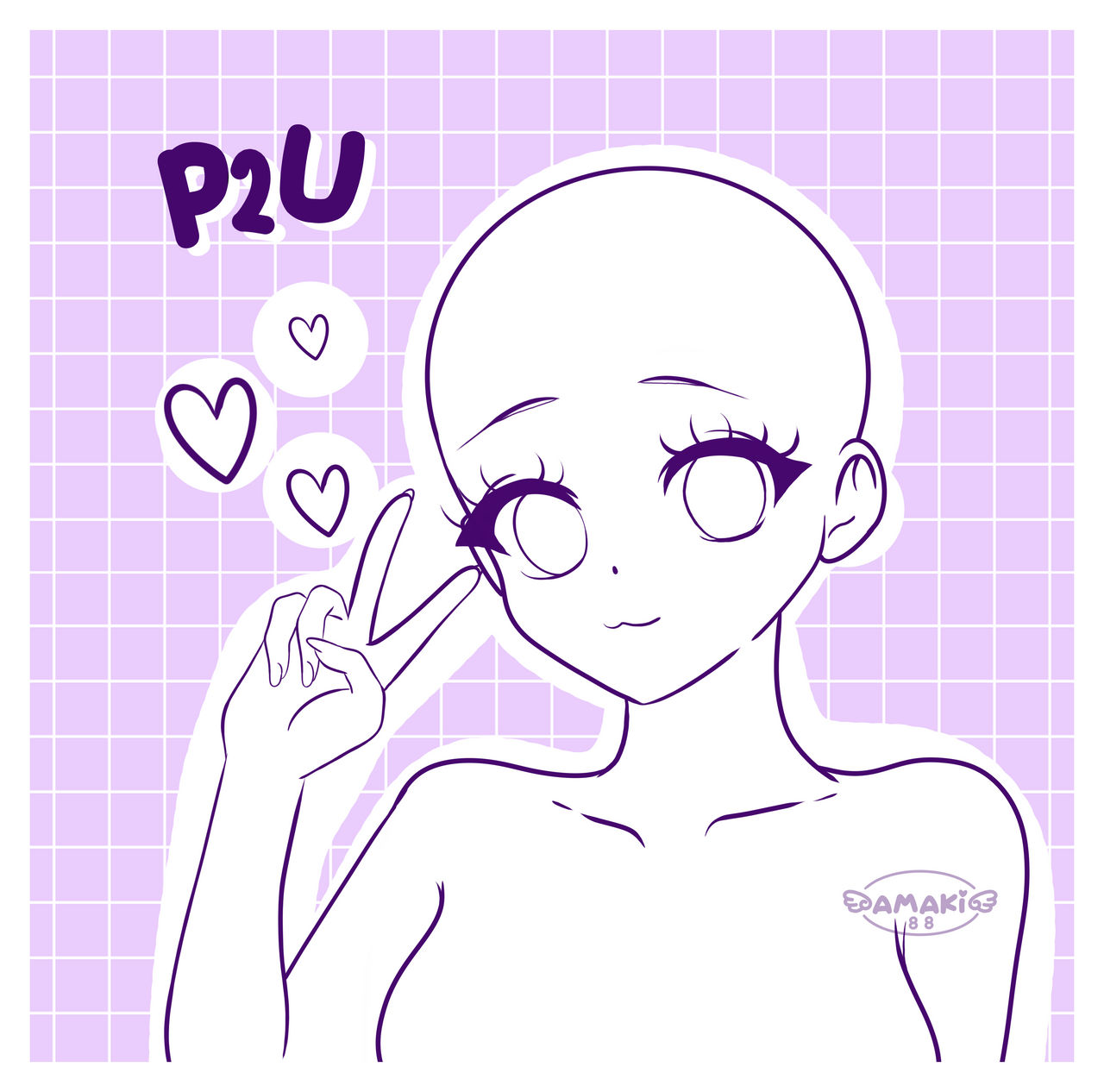
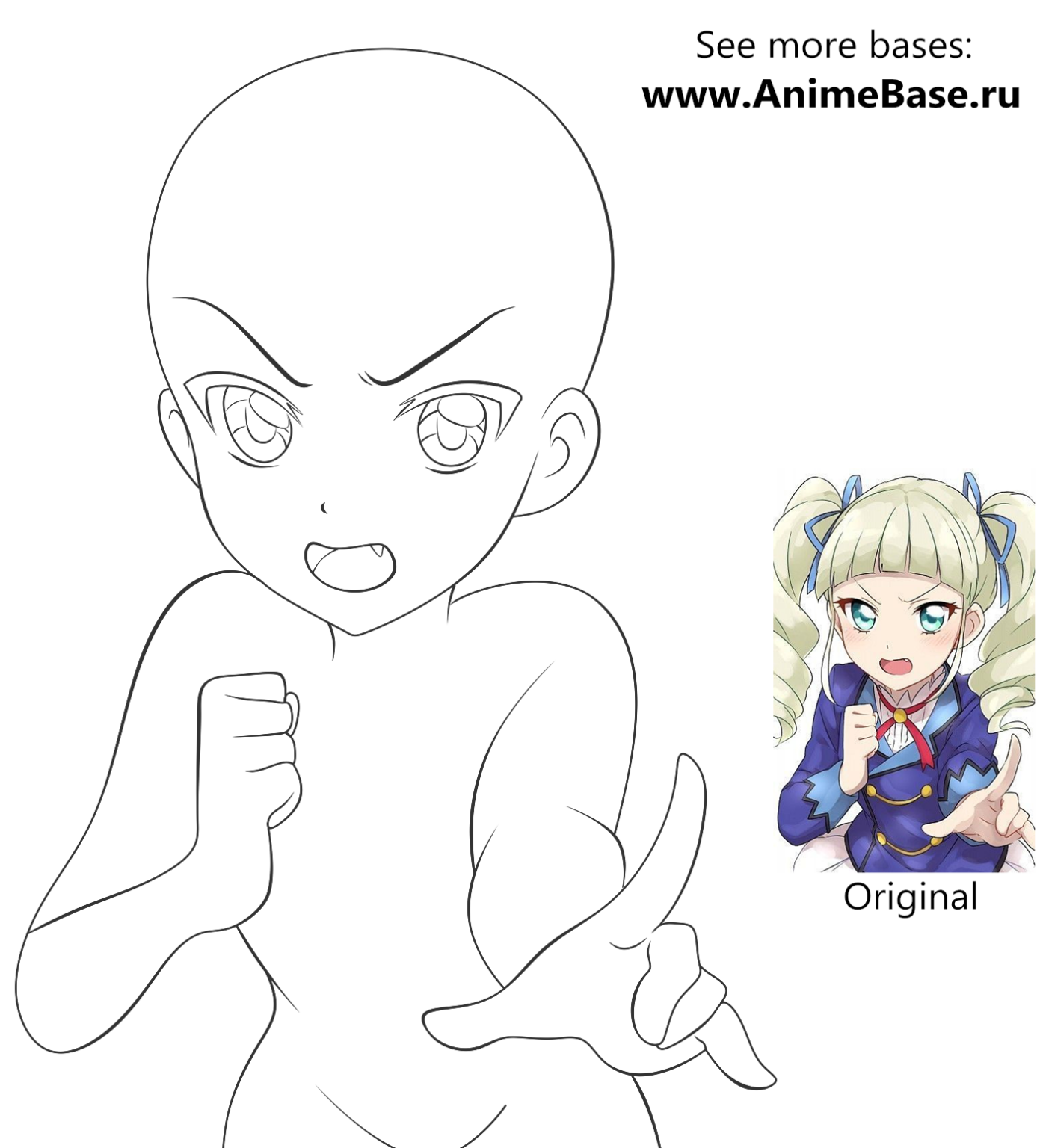
An anime drawing base—often referred to as a mannequin or wireframe—is a simplified version of human anatomy used to map out a character before adding details like hair, clothing, and facial expressions. Unlike hyper-realistic art, anime proportions tend to be more stylized, featuring larger eyes, smaller chins, and elongated legs.
To begin constructing your base, you need to understand how to break down the human form into simple 3D shapes. This prevents you from getting bogged down in complex muscle groups too early in the sketching process.
Head and Facial Guidelines
Most anime artists start with the head because it serves as the unit of measurement for the rest of the body. In standard anime styles, a character is typically six to eight "heads" tall, depending on their age and desired aesthetic.
- The Circle: Draw a clean circle to represent the cranium.
- The Chin: Extend lines down from the sides of the circle to form a pointed or rounded chin, depending on the character's gender and style.
- The Crosshair: Lightly sketch a vertical center line and a horizontal eye line to establish symmetry and facing direction.
Torso and Spine Mapping
The torso connects the upper body to the hips and dictates the character's posture. Instead of drawing a rigid rectangle, think of the upper torso and pelvis as two separate blocks connected by a flexible spine.
By tilting these blocks slightly in opposite directions, you immediately introduce a sense of life and weight to your anime drawings base. This simple trick is the secret to avoiding stiff, cookie-cutter poses.
Video: Anime Girl Body Tutorial | How to Draw Anime Girl Body For Beginners (Full Process Tutorial)

Step-by-Step Guide to Drawing a Full-Body Base
Now that you understand the individual components, let's put them together into a repeatable workflow. Grab your sketchbook or drawing tablet and follow these steps.
- Establish the Gesture: Draw a loose, sweeping line of action that captures the overall movement or mood of the character. Is the character standing proudly, slouching, or leaping into battle?
- Mark the Proportions: Lightly tick off head-height measurements along a vertical guide line. Place marks for the shoulders, waist, hips, knees, and ankles.
- Block in the Joints: Use small circles for shoulders, elbows, wrists, hips, knees, and ankles. This creates a skeletal map that defines where limbs can bend.
- Connect with Cylinders: Draw tapered cylinders to connect the joints for the arms and legs. Cylinders give your limbs volume and perspective, making them look 3D rather than flat.
- Refine the Silhouette: Smooth out the harsh geometric lines. Soften the shoulders, give shape to the calves, and adjust the waistline to match your character design.
Common Mistakes to Avoid
Even experienced artists occasionally fall into habits that compromise their anatomy bases. Keep these common pitfalls in mind as you practice:
Neglecting Perspective: Limbs that are closer to the viewer should look larger, while limbs receding into the background should look smaller. Always check that your base maintains consistent depth.
Over-detailing Too Soon: Do not start drawing clothing wrinkles or eye highlights while your base is still out of proportion. Fix your foundational lines first; details are always easier to add on top of correct anatomy.
Ignoring References: Even though anime is stylized, it is rooted in real human anatomy. Study real-life photos or 3D mannequin software to understand how muscles stretch and compress during movement.
Conclusion
Building a reliable anime drawings base takes patience and regular practice. By focusing on simple shapes, gesture lines, and correct proportions early in your sketching process, you will drastically improve the quality and dynamism of your finished artwork. Dedicate just 15 minutes a day to sketching basic mannequins, and you will soon see a massive leap in your drawing confidence.