Mastering Daily Focus Through Cube Algorithms
Introduction

In a world saturated with digital notifications, endless feeds, and constant multitasking, maintaining concentration feels harder than ever. Many of us turn to meditation apps, Pomodoro timers, or productivity planners to reclaim our attention. However, an unexpected tool sits quietly on many desks: the Rubik's Cube. Beyond being a nostalgic toy, mastering daily focus through cube algorithms offers a structured, tactile way to train your brain for deep work.
Solving a 3x3 puzzle requires spatial reasoning, sequential logic, and absolute mental presence. A single lapse in attention means a miscalculated move, forcing you to retrace your steps. By intentionally practicing cube algorithms, you prime your mind for high-level concentration, pattern recognition, and calm problem-solving that directly translates into daily professional and personal tasks.
The Cognitive Science Behind the Cube
When you look at a scrambled Rubik's Cube, your brain faces chaos: six faces, 54 colored stickers, and billions of potential configurations. It is a visual representation of overwhelm. Yet, elite solvers do not panic; they rely on algorithms—precise sequences of twists and turns—to bring order to the chaos.
This process engages the brain's prefrontal cortex, which governs executive function, working memory, and impulse control. When you execute an algorithm, your brain enters a state of flow. You are neither regretting past mistakes nor worrying about the final solved state; you are entirely absorbed in the immediate transition of the current step.
Working Memory and Pattern Recognition
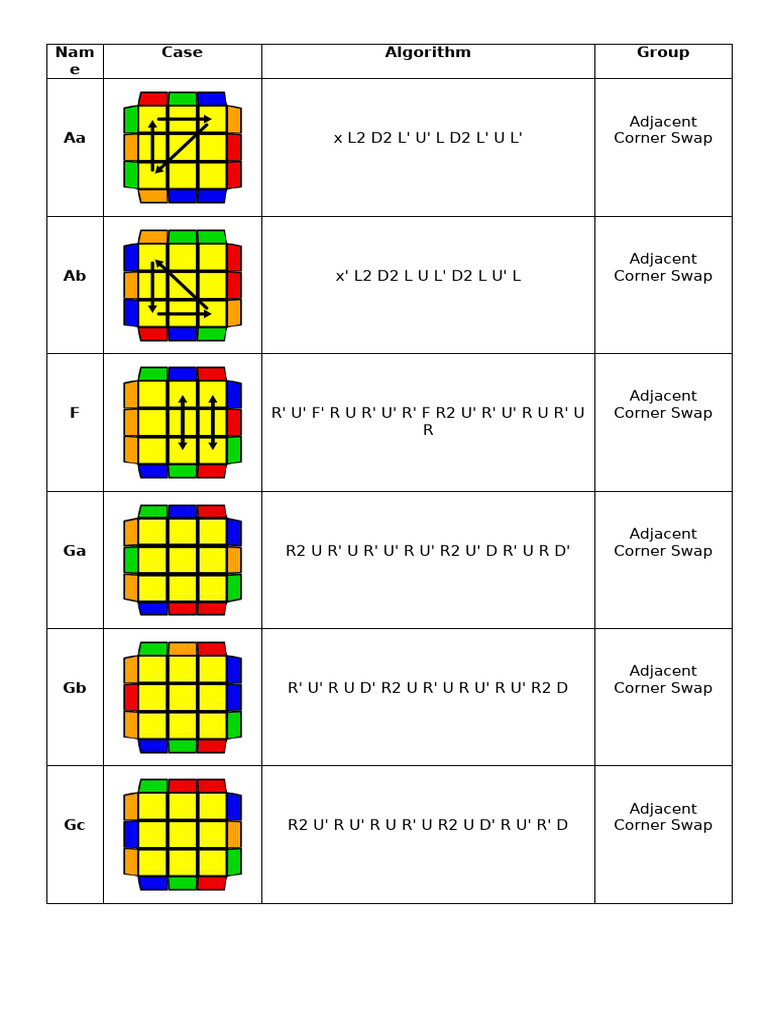
To execute a speedcubing algorithm efficiently, you must hold a sequence of moves in your head while scanning the puzzle for the next target piece. This builds your working memory capacity. As you practice daily, your brain gets better at chunking information—grouping individual moves into single conceptual units. This exact mental muscle is what allows professionals to hold complex lines of code, financial models, or strategic plans in their heads without getting distracted.
How Algorithms Translate to Real-World Productivity
An algorithm is simply a step-by-step procedure for solving a problem or completing a task. In computer science, they dictate software operations. In cubing, they dictate piece movement. In daily life, algorithms are your routines, Standard Operating Procedures (SOPs), and habit loops.
When you practice cube algorithms, you train your brain to trust a process even when the end goal isn't immediately visible. Consider how this maps to complex work projects:
- Embracing Constraints: A cube has strict physical rules. You cannot simply peel off stickers. This mirrors real-world constraints like tight budgets or limited timeframes, teaching you to find creative solutions within boundaries.
- Incremental Progress: You cannot solve a cube all at once. You solve the white cross, then the first two layers, then the last layer. Breaking massive daily tasks into chronological algorithms prevents paralysis by analysis.
- Error Correction: Making a mistake on a cube doesn't mean failure; it requires an intuitive or algorithmic fix. This builds resilience against daily setbacks.
A Daily 10-Minute Cube Routine for Laser Focus
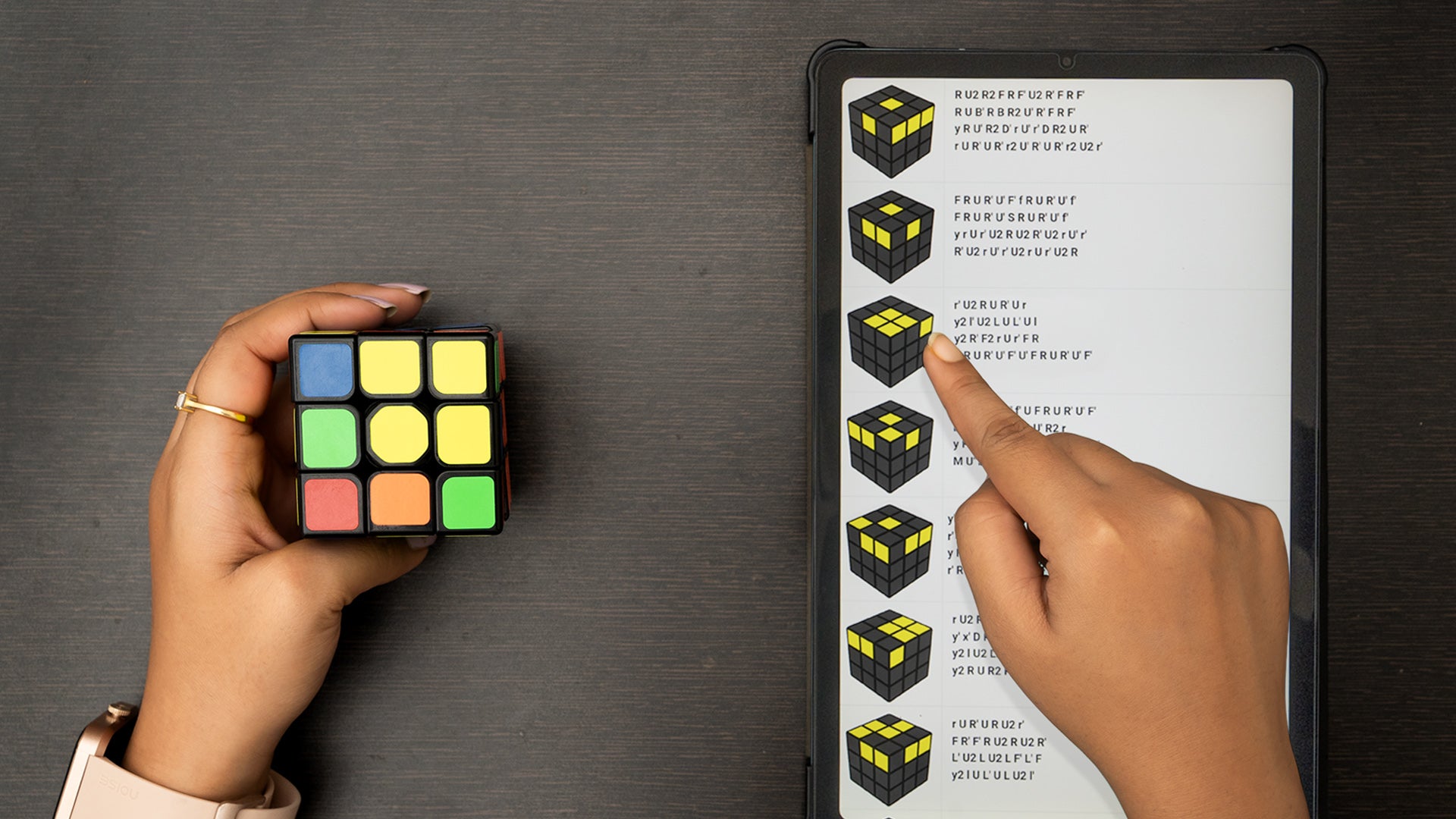
You do not need to become a competitive speedcuber breaking world records to reap the cognitive benefits of the puzzle. A simple, intentional 10-minute daily routine is enough to sharpen your attention span before diving into deep work.
Phase 1: The Warm-Up Scramble (2 Minutes)
Take your cube and scramble it thoroughly. As you mix the colors, let your mind wander away from your daily stressors. Treat the scramble as a physical boundary between your reactive email-checking state and your proactive focus state.
Phase 2: Intentional Execution (5 Minutes)
Solve the cube using your preferred method (such as the beginner's method or the CFOP method). As you work through the algorithms, focus intensely on finger dexterity and visual tracking. If your mind wanders to a pending deadline or a text message, gently bring your attention back to the tactile click of the plastic pieces.
Phase 3: The Transition to Work (3 Minutes)
Once the cube is solved, take three deep breaths. Your brain is now primed, warmed up, and operating in a logical, sequential framework. Immediately open your primary work document or task list. You will find that transitioning from physical problem-solving to mental problem-solving happens with significantly less friction.
Overcoming Frustration and Building Patience
One of the greatest obstacles to daily focus is frustration. When a task becomes difficult, the modern instinct is to grab a smartphone for a quick dopamine hit. Cubing directly counteracts this impulse.
In the beginning, you will forget algorithms, fumble your finger tricks, and stall out halfway through a solve. The urge to quit will be strong. By sitting with that frustration and methodically looking up the correct algorithm or retracing your steps, you build frustration tolerance. You teach your nervous system that confusion is not a signal to quit, but a signal to slow down, analyze, and apply the correct mental framework.
Conclusion
Mastering focus is not about sheer willpower; it is about training your brain to handle complexity without getting overwhelmed. By integrating a short, daily Rubik's Cube practice into your routine, you leverage tactile algorithms to sharpen your working memory, boost pattern recognition, and anchor your attention in the present moment. Pick up the cube, scramble the pieces, and build the mental clarity you need to conquer your day.