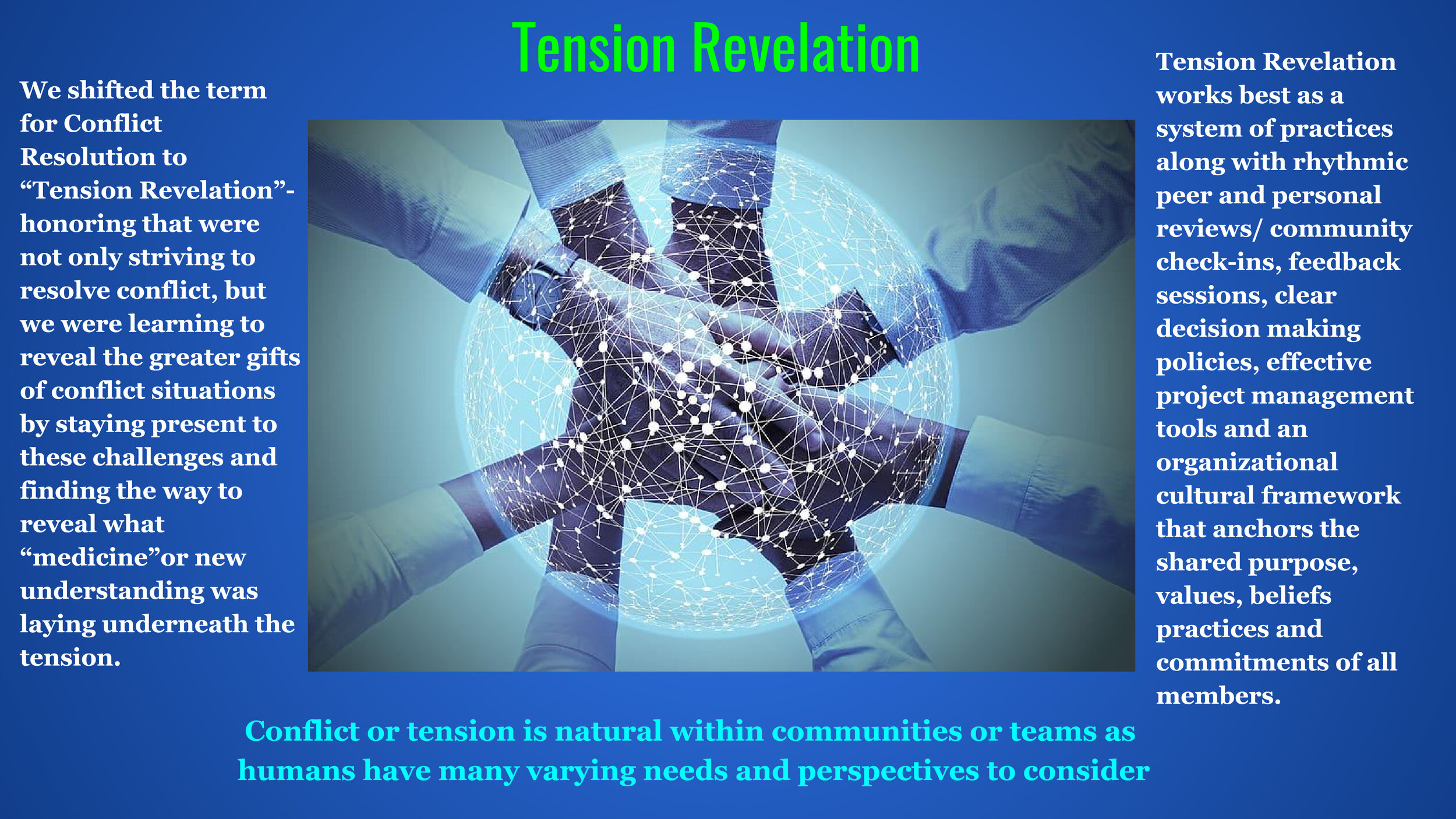
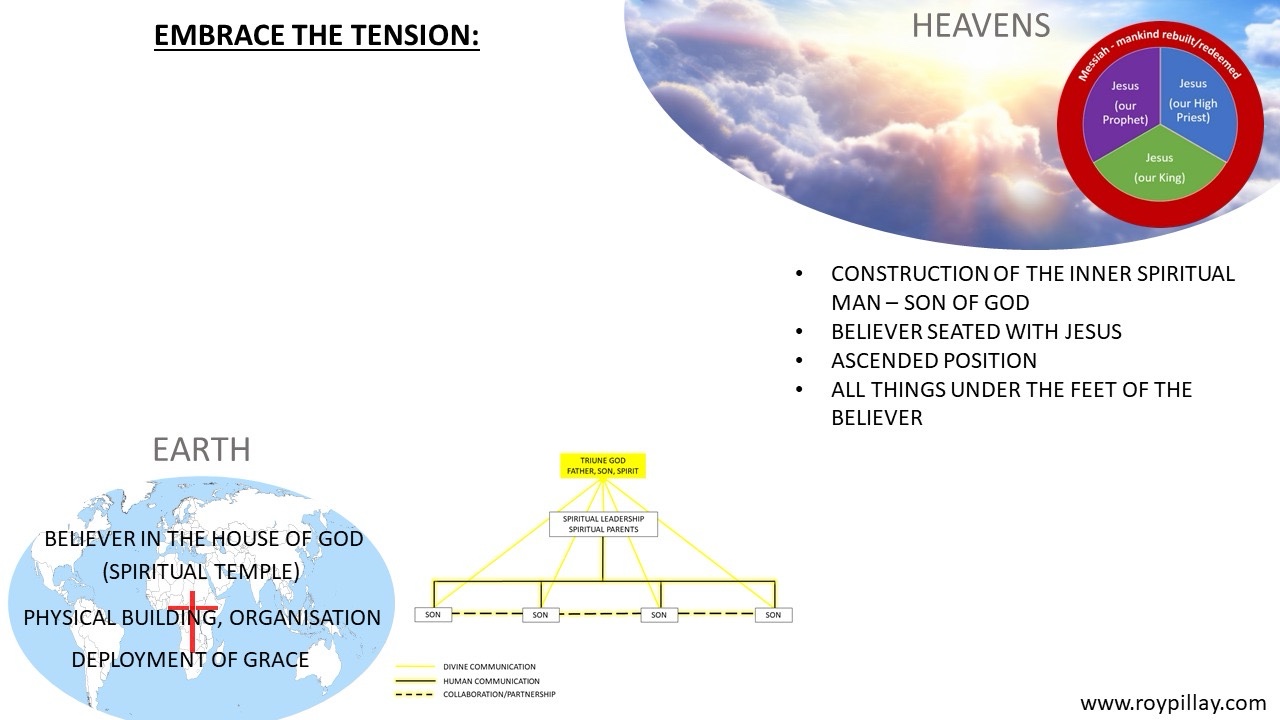
Mastering Emotional Tension and Revelation
Every compelling story relies on an invisible elastic band stretching between characters, secrets, and unspoken truths. When writers master emotional tension and revelation, they transform ordinary scenes into unforgettable reading experiences. Tension creates the pressure that keeps readers turning pages, while revelation provides the explosive release that satisfies their emotional investment.

Without tension, scenes fall flat; without revelation, tension becomes exhausting. Balancing these two narrative forces requires a deliberate understanding of pacing, psychology, and structure. Whether you are writing a sweeping romance, a gritty thriller, or a character-driven literary drama, the dance between what is hidden and what is finally brought to light is the heartbeat of your narrative.
The Anatomy of Emotional Tension
Emotional tension is the psychological friction that occurs when characters want different things, harbor secrets, or face high-stakes choices. Unlike external tension—such as a ticking bomb or a physical chase—emotional tension lives beneath the surface. It is the pregnant pause before a confession, the heavy silence across a dinner table, or the forced smile masking deep betrayal.
To build effective tension, you must deny your characters immediate comfort and easy communication. When characters say exactly what they mean and resolve conflicts instantly, the elastic band snaps before any pressure can build. Instead, force them to operate under constraints:
- Conflicting desires: Give characters opposing emotional needs that cannot both be satisfied.
- Unspoken truths: Introduce a secret that, if revealed, threatens to upend their relationship or status quo.
- Vulnerability barriers: Create internal fears that make opening up feel riskier than staying silent.
Subtext is your most powerful tool here. Dialogue should rarely be a direct exchange of pure information. Instead, have characters talk about the weather, a mundane task, or a past event while their underlying emotions pull them in entirely different directions. The reader should feel the weight of what is left unsaid.
Designing the Moment of Revelation
Tension cannot sustain itself indefinitely. If you stretch the elastic band too far without a break, it snaps, and the reader loses interest or feels manipulated. This is where the revelation comes in. A revelation is the moment when the truth breaks through the surface, shattering illusions and forcing characters to confront reality.
However, not all reveals carry the same emotional weight. A plot twist relies on information withheld from the reader, whereas an emotional revelation relies on internal realization or deep personal honesty between characters. To make a revelation land with maximum impact, it must be earned through the preceding tension.
Video: The Boy Was Afraid of What He Could See… But the Truth Was Even Darker | Psychological Thriller

Types of Revelations in Storytelling
Depending on your narrative goals, revelations typically fall into three primary categories:
- The Self-Realization: A character finally admits a hard truth about themselves, shedding a delusion they have carried for years.
- The Interpersonal Confession: Two characters drop their armor and confess their true feelings, grievances, or fears to one another.
- The World-Shifting Secret: An external secret comes to light that radically alters how characters view their shared history or future.
The most resonant stories often combine these elements, tying a massive plot revelation directly into an internal emotional breakthrough for the protagonist.
Pacing the Shift from Suppression to Release
Mastering this dynamic is ultimately an exercise in pacing. You must learn to oscillate between contraction (building tension) and expansion (revelation). If you rush the revelation, the reader feels cheated out of the suspense. If you delay it too long, the narrative begins to drag.
Pay close attention to scene transitions. When tension peaks, do not immediately diffuse it with a joke or a sudden change of scene unless you are deliberately weaponizing frustration. Instead, allow the pressure to reach a boiling point where containment is physically or emotionally impossible. The characters must reach a breaking point where holding the secret hurts more than letting it out.
Crafting the Aftermath
Many writers make the mistake of ending a scene the exact microsecond the revelation occurs. While the punchline of a reveal is powerful, the immediate aftermath is where the true emotional resonance takes root. How do the characters react when the truth is finally out in the open?
A powerful revelation changes the rules of engagement. Relationships are altered, power dynamics shift, and characters must grapple with a reality they can no longer ignore. By giving your readers both the agonizing buildup of tension and the cathartic shock of revelation, you create stories that linger in their minds long after the final page is turned.