Mastering Equibase.com Full Charts for Horse Handicapping
Understanding Equibase.com Full Charts
For any serious horse racing handicapper, data is the ultimate currency. Whether you are playing the tracks for fun or treating it as a serious investment, understanding the inner workings of race data is essential. When it comes to post-race analysis and historical research, equibase.com full charts serve as the gold standard for North American racing.
Equibase acts as the official database for racing information in North America. While standard race cards give you a snapshot of a horse's past performances, the full charts provide a meticulous, play-by-play breakdown of every single race. By learning how to navigate and interpret these documents, you can uncover hidden biases, evaluate trainer decisions, and spot horses that ran better than their final finishing position suggested.
What Information is Included in Equibase.com Full Charts?
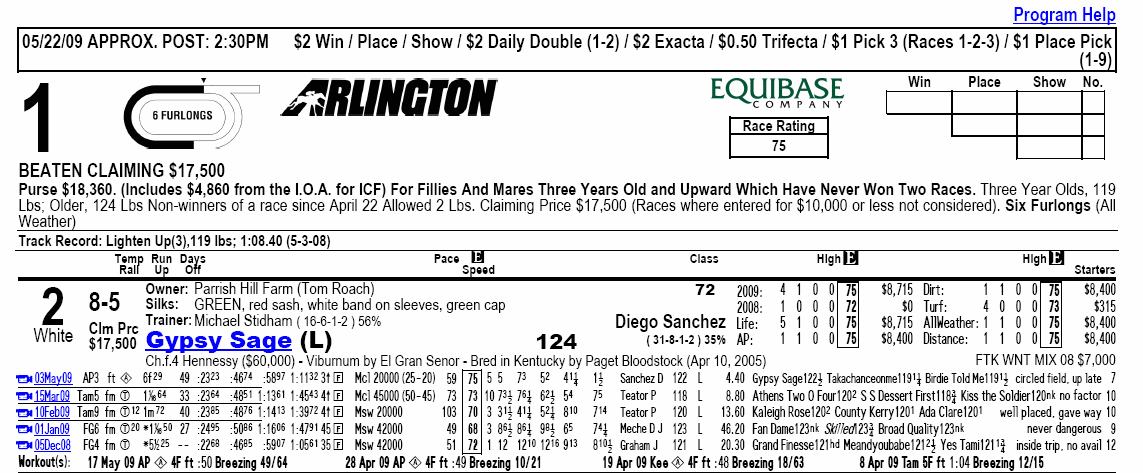
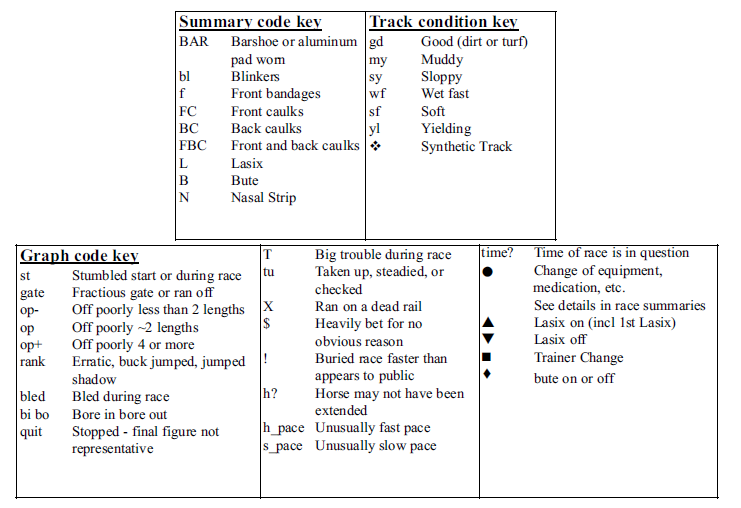
A standard full chart contains a wealth of data packed into a dense, highly structured format. Reading one for the first time can be overwhelming, but each section offers vital clues for future races. Here is a breakdown of the primary components you will find:
Race Conditions and Track Profile
At the very top of every chart, you will find critical metadata regarding the race setup. This includes the track name, date, race number, breed, class of the race (e.g., claiming, allowance, stakes), purse size, age restrictions, and distance. Crucially, it also details the track condition—whether it was fast, muddy, good, yielding, or firm—along with any surface changes or rail movements that could impact final times.
Fractional Times and Final Time
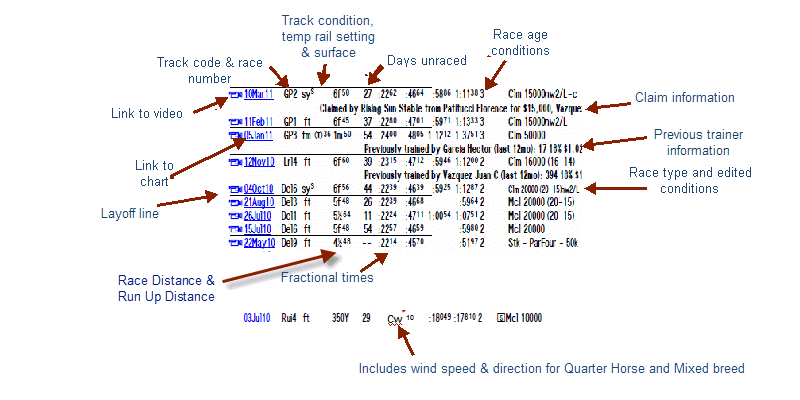
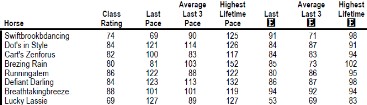
Pace makes the race, and Equibase charts provide precise timing data to evaluate speed figures. Depending on the distance, the chart lists quarter-mile, half-mile, three-quarter-mile, and stretch calls. Comparing these fractional times against the final time helps handicappers determine if the race was run at a blistering pace that favored closers, or a sluggish pace that gifted the victory to front-runners.
Video: What is the Equibase Ratings System?
The Running Line and Call Points
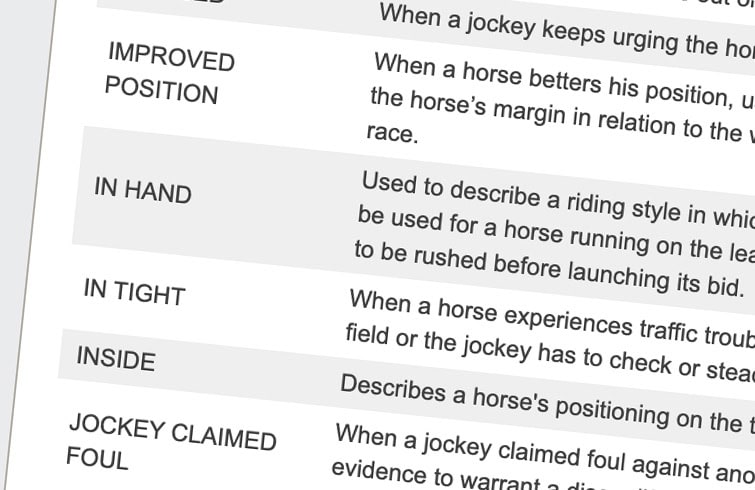
The core of the full chart is the running line for each horse. Instead of just showing where a horse finished, the chart details their position at various call points throughout the race. You will see numbers representing how far back a horse was from the leader at each marker, alongside margin indicators. This allows you to track whether a horse flashed early speed, steadied in traffic, made a wide rally, or tired badly in the stretch.
How to Use Full Charts for Advanced Handicapping
Casual bettors look only at the winner and the payout. Professional handicappers dig into the full charts to find horses to bet on next time out. Here is how you can leverage this data to gain an edge:
- Spotting Trouble Lines: Look at the footnotes section at the bottom of the chart. Stewards and chart-callers note trouble such as "checked hard," "bumped at start," or "forced wide." A horse that finished fifth beaten by only two lengths after suffering significant trouble is often a prime candidate to win next time out at better odds.
- Evaluating Track Biases: By studying multiple charts from the same race card, you can identify if a specific running style (such as front-running speed) or a certain path (the inside rail vs. the outer paths) is favored by the track condition on that specific day.
- Analyzing Trainer and Jockey Tactics: Full charts help you evaluate how a jockey handled a specific mount. Did they send the horse too early? Did they leave the horse with too much ground to make up? This helps you gauge whether a rider change will benefit a horse in its upcoming starts.
Accessing and Downloading Charts on Equibase
Getting your hands on these documents is straightforward. Equibase offers free access to recent results and charts directly through their main website. Simply navigate to the 'Results' tab, select your preferred track and race date, and you can view the charts right in your browser or download them as PDF documents.
For historical research spanning months or years, Equibase also provides archival search tools and database packages. While basic charts are free, premium products like customized past performance grids or statistical query tools may require a modest subscription or per-chart fee.
Conclusion
Incorporating equibase.com full charts into your routine elevates your handicapping from guesswork to a data-driven science. By looking beyond the basic result and examining fractional times, trip notes, and running lines, you can spot profitable value plays that the general betting public overlooks.