Mastering Escalating Emotional Hooks & Specificity
Understanding the Power of Emotional Copywriting
In modern digital content, attention is the ultimate scarce resource. Readers scroll through feeds at lightning speed, bombarded by headlines making grand promises. To stop that scroll, writers cannot rely on generic statements or surface-level summaries. You need a structured approach to captivate your audience, which is where mastering more with escalating emotional hooks & specificity comes into play.
Emotional hooks grab a reader by addressing their immediate desires, fears, or frustrations. However, a hook alone only buys you three seconds. If you fail to back up that emotion with razor-sharp specificity, the illusion shatters. By pairing a rising emotional arc with undeniable concrete details, you transform casual skimmers into deeply invested readers.
The Anatomy of an Escalating Emotional Hook
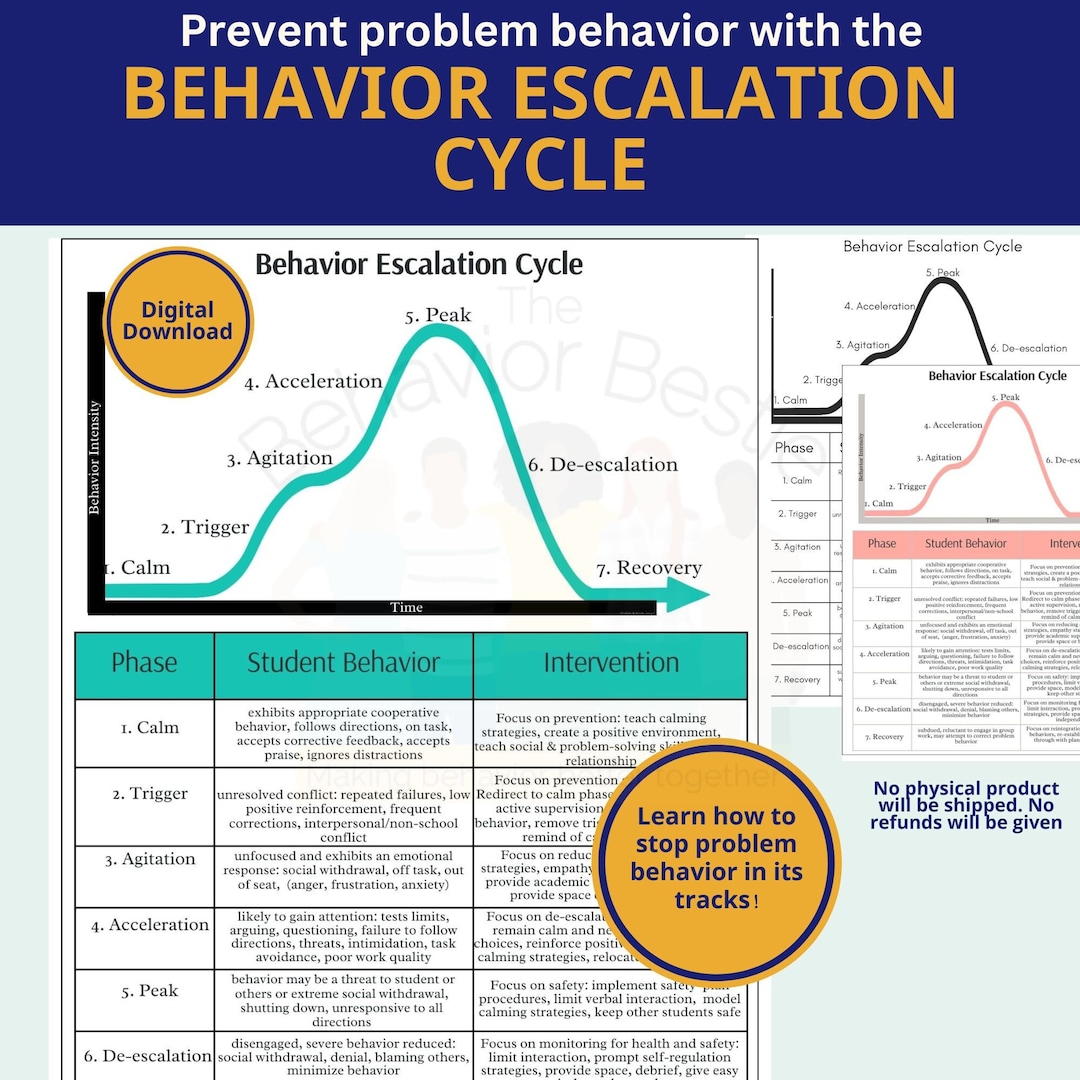
An emotional hook should never sit flat. If your opening sentence is intense, but the second sentence plateaus, the reader loses momentum. Escalation requires you to build tension incrementally, moving from a relatable annoyance to a pressing pain point, and finally to an urgent realization.
Starting with a Relatable Friction Point
Begin by acknowledging a universal truth or minor frustration that your target audience faces daily. Keep it grounded. For example, instead of saying 'Time management is hard,' try 'You close your laptop at 7 PM, realizing you spent eight hours putting out fires instead of doing actual work.'
Stepping Up the Stakes
Once you have their nod of agreement, elevate the emotional temperature. Connect that minor friction to a deeper fear or ambition. Show them the compounding cost of inaction. If they keep managing time the same way, what does their next year look like? Will they miss out on a promotion, or sacrifice precious time with their family?
Injecting Laser-Like Specificity
Emotion creates movement, but specificity creates belief. Vague claims invite skepticism, whereas precise details build instant authority. When you write about results, problems, or solutions, avoid broad adjectives and lean into hard facts, exact timeframes, and vivid imagery.
Video: 2. Specific detail OR emotional hook
- Vague: 'Save a lot of time on your weekly admin work.'
- Specific: 'Cut your Friday invoicing process from 4 hours down to 14 minutes.'
- Vague: 'Get better engagement on your social media posts.'
- Specific: 'Generate 43% more comments in the first two hours by shifting your posting window to 8:15 AM.'
Notice how the specific versions do not just sound more believable; they paint a mental picture that the reader can easily visualize. That clarity makes the promised outcome feel attainable.
Applying the Framework in Your Writing
To implement this methodology effectively, you must weave emotional escalation and granular detail together seamlessly across different parts of your content structure.
Crafting High-Impact Introductions
Your introduction is the frontline. Use the first sentence to introduce an emotional trigger. Use the second sentence to escalate that feeling. Use the third sentence to introduce a hyper-specific data point or scenario that proves you understand their exact reality.
Deepening Connection in the Body Paragraphs
As you transition into the core arguments of your article or sales page, resist the urge to generalize. Every time you make a claim, support it with a named example, a precise metric, or a step-by-step breakdown. If you tell a customer story, do not just say 'our client grew their revenue.' Say, 'Sarah, a freelance designer from Austin, doubled her monthly retainers from $3,000 to $6,500 within 90 days by restructuring her onboarding emails.'
Common Pitfalls to Avoid
Even experienced writers stumble when trying to balance emotion and detail. Watch out for these frequent mistakes:
- Over-hyping without proof: Using all-caps and exclamation points without backing them up with concrete facts destroys credibility.
- Premature specificity: Introducing hard numbers before the reader cares about the problem will make your writing feel clinical and dry.
- Flat emotional arcs: Starting at peak intensity leaves you nowhere to go, causing reader fatigue halfway through the piece.
Conclusion: Elevating Your Content Strategy
Writing that resonates deeply does not happen by accident. By deliberately incorporating escalating emotional hooks & specificity into your drafts, you guide your audience on a psychological journey from skepticism to absolute certainty. Test this framework in your next headline, introduction, or pitch, and watch how precision transforms your results.