Mastering Fighting Poses Manga Reference for Dynamic Art
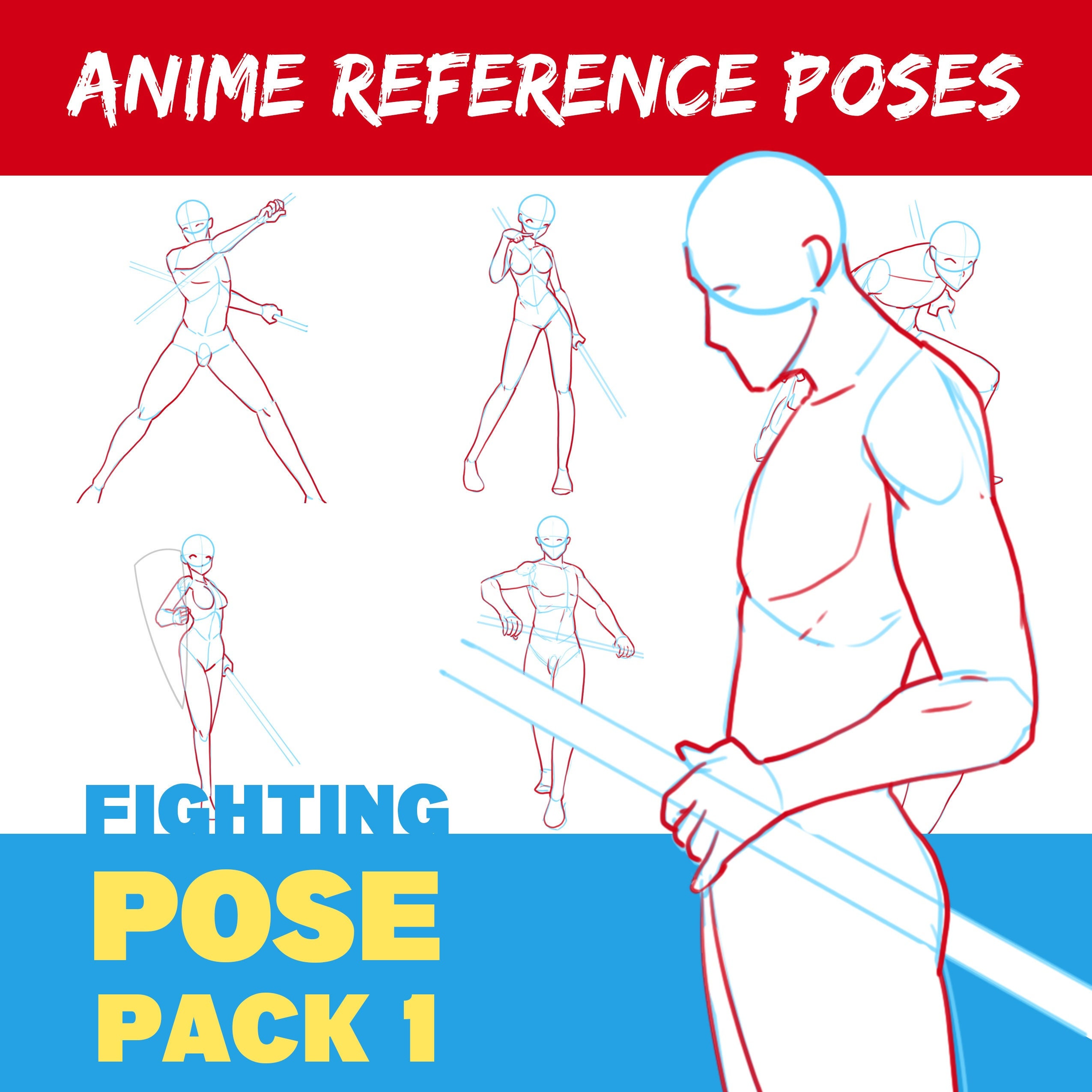
Drawing dynamic action scenes requires more than just a good imagination; it demands a solid understanding of anatomy, weight distribution, and momentum. If you want your characters to leap off the page with power and energy, finding and utilizing the right fighting poses manga reference is essential. Whether you are illustrating a tense shonen standoff or a high-speed martial arts battle, knowing how to structure your character's body makes all the difference.

Why You Need a Solid Fighting Poses Manga Reference
Many beginner artists struggle with stiff, lifeless characters when attempting action scenes. Anatomy books are helpful, but they often show static, neutral stances. Action illustrations require twisted spines, foreshortened limbs, and exaggerated lines of action that defy standard resting postures.
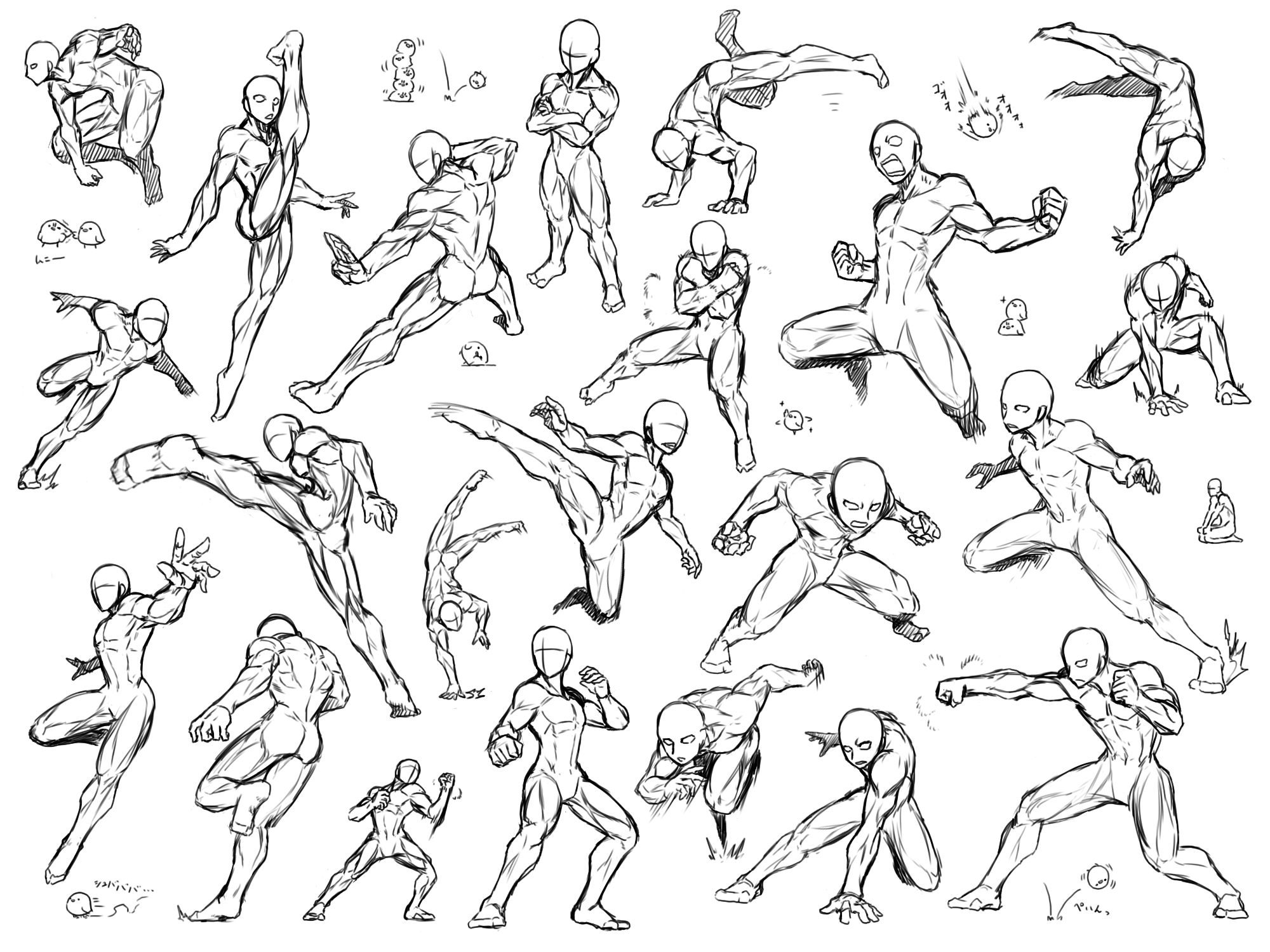
By studying professional manga artists like Akira Toriyama, Tite Kubo, or Yuto Tsukuda, you can see how they exaggerate muscle tension and skeletal strain. A good fighting poses manga reference helps you bridge the gap between rigid anatomy and fluid, high-octane motion. It gives you a blueprint for how a body reacts under physical stress, whether it is absorbing a punch, winding up a kick, or dodging a lethal strike.
Core Elements of Dynamic Manga Action Poses
Before you start sketching, you need to understand the fundamental building blocks that make a fighting pose look convincing. Without these elements, even a detailed drawing will feel flat.
The Line of Action
The line of action is an imaginary curved line that travels through your character's spine, dictating the overall flow and direction of the movement. In fighting poses, this line is rarely straight. It is usually a sweeping curve or a sharp zigzag that communicates aggression, defense, or instability.
- C-Curve: Great for agile dodges, aerial flips, or characters recoiling from a heavy blow.
- S-Curve: Perfect for powerful, twisting attacks like a spinning roundhouse kick or a dramatic sword draw.
- Straight Line: Used sparingly for rigid, immovable stances, such as a stoic master preparing for a frontal assault.
Center of Gravity and Weight
Even in fantasy manga where characters can fly or shatter boulders, grounded physics make fights believable. The center of gravity determines whether your character looks balanced or ready to topple over.
When a character throws a punch, their weight must shift forward. When they block, their stance widens to absorb the impact. Always check where your character's center of gravity lies relative to their feet. If a character is leaning heavily to one side without a supporting leg beneath them, the pose will instantly look unnatural.
Breakdown of Essential Fighting Poses
Different combat situations require entirely different body languages. Here are three core categories of fighting poses you should add to your reference library.

1. The Anticipation Stance (Pre-Battle)
This is the classic standoff pose right before the fists start flying. The character is alert, muscles are engaged, but they haven't committed to an attack yet.
- Upper Body: One hand is usually raised defensively while the other chambers a strike. Shoulders are slightly raised and tensed.
- Lower Body: Knees are bent, feet are staggered, and the torso is angled away from the opponent to present a smaller target.
- Manga Touch: Add focused, narrowed eyes and wind-swept hair to emphasize tension.
2. The Offensive Strike (Offense)
Capturing the exact moment of impact or the wind-up to a devastating punch requires dramatic foreshortening.
- Foreshortening: If a fist is flying toward the viewer, draw it significantly larger than the shoulder it's attached to. This creates intense depth.
- Twist: Power in a punch comes from the hips, not just the arm. Twist the torso in the opposite direction of the strike to show rotational torque.
3. The Defensive Block or Recoil (Defense)
Action is a two-way street. Showing vulnerability and impact makes your action sequences engaging.
- Impact Lines: Use speed lines and debris to show the force of an incoming attack.
- Body Compression: The torso might compress or bend backward as the character absorbs the shock, with teeth gritted and eyes squeezed shut in pain or intense concentration.
Where to Find the Best References
Building a diverse library of fighting poses manga reference material takes time, but modern tools make it easier than ever.
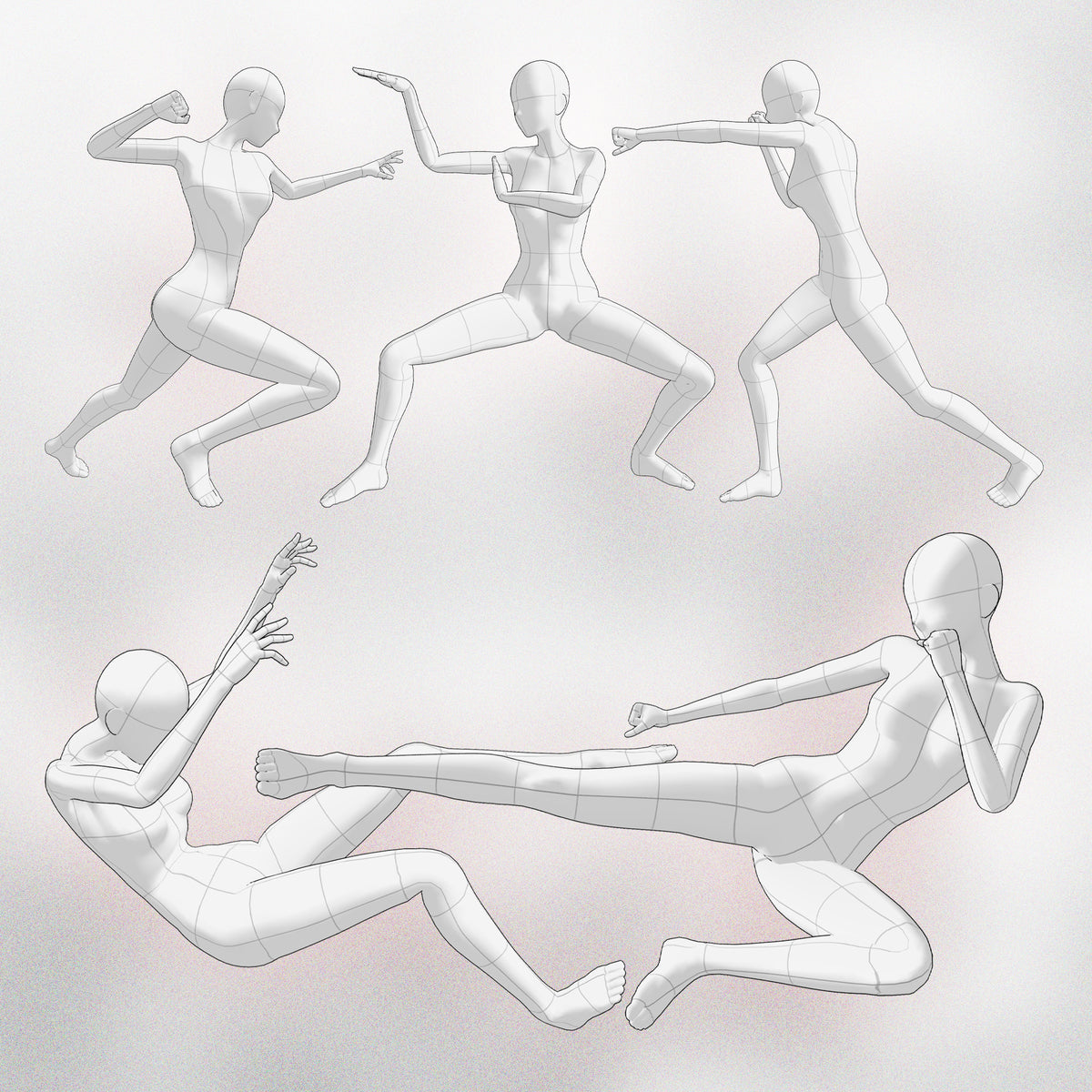
- 3D Model Software: Programs like Clip Studio Paint, Blender, and Easy Poser come with built-in 3D manikins that you can twist into any action pose and light from any angle.
- Real-World Martial Arts: Look up footage of MMA fights, boxing matches, and traditional martial arts forms. Real athletes provide the most accurate muscle tension and balance cues.
- Manga Artbooks: Buy official artbooks from your favorite manga series. They often feature raw sketches, anatomical breakdowns, and dynamic character designs.
How to Practice Using References Effectively
Collecting references is only half the battle; you must know how to study them without falling into mindless tracing.
Start by doing quick 30-second gesture sketches. Focus purely on the line of action and major shapes, ignoring details like clothing and hair. Once you capture the energy of the pose, do a second pass to block in the anatomical structures (ribcage, pelvis, limbs). Finally, refine the sketch by adding dynamic manga styling, dramatic shading, and impact effects.
By consistently practicing with targeted fighting poses manga reference materials, you will build up a mental library of action anatomy. Soon, you will be able to draw powerful, believable fight scenes entirely from your own imagination.