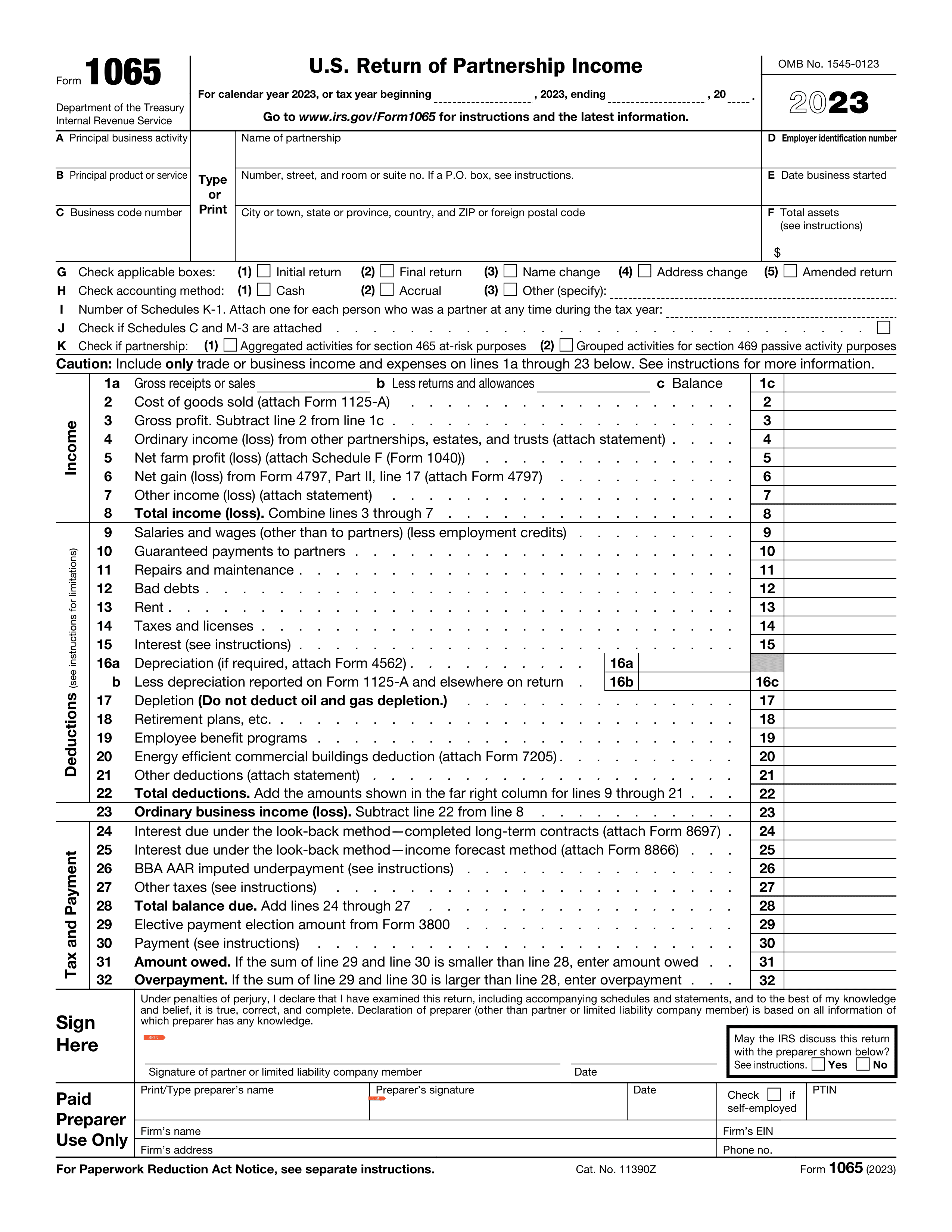
Mastering Form 1065 for S Corporation Tax Returns
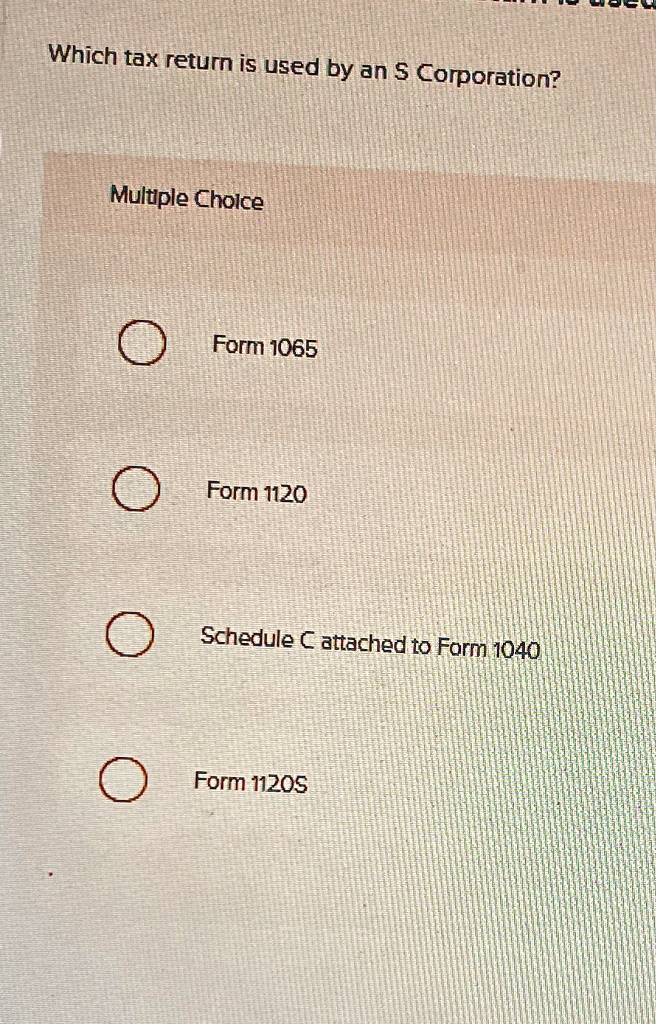
When operating a business as an S corporation, understanding your federal filing obligations is essential for avoiding IRS penalties. Business owners and accountants often search for clarity on tax documentation, particularly when mastering Form 1065 for S corporation tax returns. While the IRS actually requires S corporations to file Form 1120-S rather than Form 1065 (which is strictly designated for partnerships and multi-member LLCs), the terminology overlap stems from the similar pass-through taxation mechanics shared by both entity types.

In this comprehensive guide, we will clarify the correct forms to use, break down the mechanics of pass-through taxation, and walk you through the essential steps to keep your business fully compliant.
Understanding Pass-Through Taxation and Filing Requirements
Before diving into paperwork, it helps to understand why these tax forms exist and how they affect your bottom line. Both partnerships and S corporations are pass-through entities. This means the business itself does not pay federal income tax. Instead, the profits and losses flow through to the owners' personal tax returns.
However, the specific IRS forms differ:
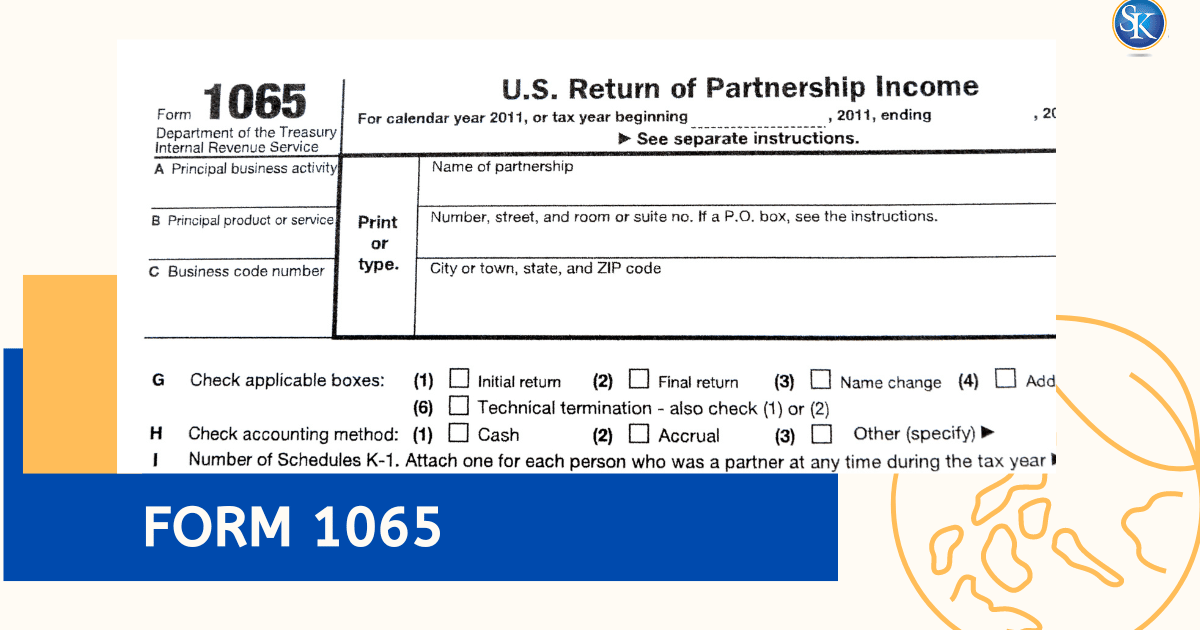
- Partnerships and Multi-Member LLCs: File Form 1065 (U.S. Return of Partnership Income).
- S Corporations: File Form 1120-S (U.S. Income Tax Return for an S Corporation).
Despite this technical distinction in form numbers, mastering Form 1065 for S corporation tax returns usually implies mastering the broader concept of pass-through reporting—specifically, how to properly issue Schedules K-1 to shareholders so they can report their share of income, deductions, and credits.
Key Steps to Complete Your Corporate Return
Whether you are filling out information for a partnership return or an S corporation return, the workflow requires meticulous bookkeeping and attention to detail. Follow these core steps to streamline your tax preparation process:
1. Gather Your Financial Statements
Start with a finalized profit and loss (income) statement and a balance sheet for the tax year. The IRS requires a balance sheet (Schedule L) for most corporate and partnership returns unless your receipts and total assets fall below specific small business thresholds. Accurate accounting software data makes this step significantly easier.
2. Reconcile Book Income with Tax Income
Schedule M-1 (or Schedule M-3 for larger entities) bridges the gap between your financial accounting income and your taxable income. You will need to account for items like:
- Federal income tax expenses recorded on your books but not deductible on your tax return.
- Depreciation differences between book methods and tax depreciation rules (such as Section 179 or bonus depreciation).
- Travel and entertainment expenses that are only partially deductible under IRS rules.
3. Calculate and Distribute Schedules K-1
The most critical part of a pass-through return is the Schedule K-1. This document details each owner's proportionate share of the business's financial activity. Every shareholder must receive a K-1, which they will use to complete their personal Form 1040.
Ensure that the total percentages distributed across all K-1s equal exactly 100%. Mismatches between the business return and the owners' personal returns are a primary trigger for IRS automated notices and audits.
Common Pitfalls to Avoid
Filing pass-through entity returns comes with several high-stakes traps. Keeping these common issues in mind will help protect your business:
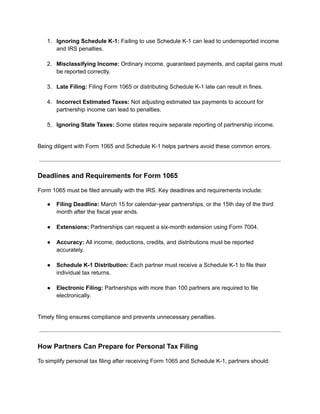
- Missing Deadlines: Form 1120-S and Form 1065 are generally due on the 15th day of the 3rd month following the close of the tax year (March 15th for calendar-year businesses). Late-filing penalties can be steep—often calculated per shareholder, per month.
- Ignoring Basis Rules: Shareholders can only deduct losses up to the amount of their adjusted basis in the stock and any debt owed to them by the corporation. Tracking stock and debt basis is a mandatory shareholder responsibility.
- Incorrect Officer Compensation: The IRS closely scrutinizes S corporations where shareholder-employees take low salaries combined with high distributions to avoid payroll taxes. Ensure your officer compensation is reasonable for the services rendered.
Conclusion
Navigating federal tax reporting requires precision, whether you are filing traditional partnership paperwork or managing an S corporation. By understanding the similarities between pass-through structures, maintaining clean financial records, and filing accurate Schedules K-1 on time, you can ensure smooth tax seasons year after year. Always consult a certified public accountant (CPA) or tax professional to tailor these strategies to your unique business circumstances.