Mastering GlobalSelfService for Distributed Teams
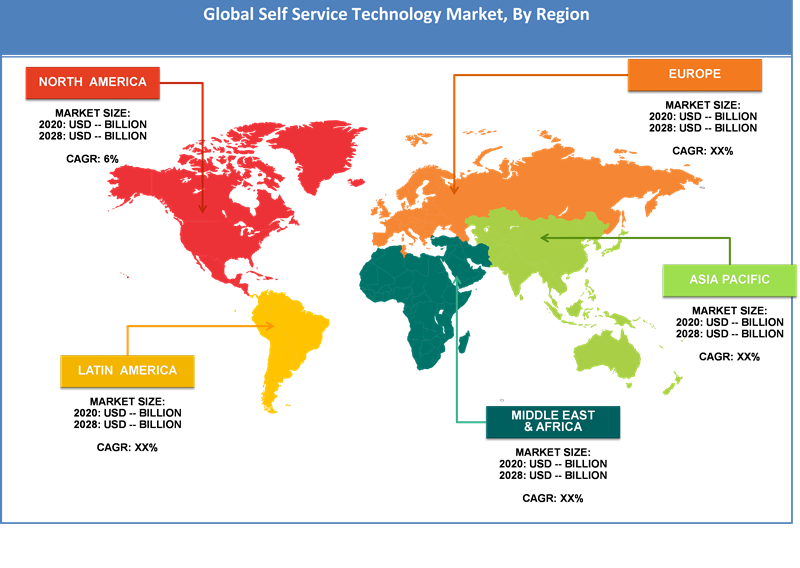
As organizations expand across borders and embrace remote work models, centralized enterprise globalselfservice platforms have transitioned from convenient additions into mission-critical infrastructure. Managing human resources, technical support, benefits administration, and compliance across dozens of countries creates severe friction when handled manually. A well-designed self-service framework bridges operational gaps, allowing workers worldwide to resolve requests autonomously while maintaining strict corporate governance.
Whether navigating complex local tax documentation or procuring software access at odd hours, employees expect immediate, consumer-grade digital experiences. This article explores the architecture, benefits, practical implementation strategies, and operational realities of building an effective self-service ecosystem for multinational enterprises.
Core Capabilities of a Modern GlobalSelfService Architecture
An enterprise-ready global self-service framework combines human resources management, IT service management (ITSM), and corporate operations into a unified interface. To function seamlessly across diverse regulatory and cultural landscapes, the system must deliver several foundational capabilities:
1. Localized Payroll and Benefits Administration
Multinational companies must adhere to varying statutory requirements regarding wage statements, retirement contributions, and health coverage. A unified portal handles multi-currency payroll distribution, local tax forms (such as W-2s, P60s, or annual tax summaries), and localized voluntary benefits without requiring manual intervention from central HR teams.
2. Automated IT Provisioning and Access Control
When onboarding an engineer in Poland or a marketing specialist in Brazil, waiting days for an IT help desk in a different time zone is untenable. Automated workflows enable zero-touch or one-click access provisioning, hardware ordering via pre-approved global catalogs, and self-service password resets integrated with enterprise identity providers (IdPs).
3. Dynamic Knowledge Bases and Multilingual Support
True global usability extends beyond automatic translation. High-performing platforms offer culturally accurate, native-language documentation tailored to the user's specific subsidiary or geographic entity. A worker in Japan searching for parental leave policies should see the precise statutory guidelines applicable to Tokyo, not a generic headquarter policy from the United States.
Strategic Benefits for Multinational Organizations
Deploying centralized self-service capabilities unlocks measurable operational efficiencies that directly impact enterprise margins and employee satisfaction:
- Significant Reduction in Support Ticket Volume: Routing tier-zero and tier-one inquiries—such as address updates, pay slip requests, and basic software access—away from human operators can slash back-office support queues by 40% to 60%.
- Accelerated Time-to-Resolution: Instead of waiting for business hours in a distant headquarters, employees solve critical blockers around the clock, drastically reducing dead time during standard work cycles.
- Auditable Compliance and Data Integrity: Allowing employees to update personal records directly minimizes transcription errors and guarantees an auditable log of document signatures, policy acknowledgments, and data modifications.
- Lower Administrative Overhead per Headcount: Scalable self-service architectures allow organizations to hire in new territories without needing to scale local back-office administrative teams at the same ratio.
Common Pitfalls in Global Deployments
Despite the obvious upside, large-scale portal implementations frequently fail to achieve high adoption rates. Understanding these common traps helps organizations design better rollout strategies:
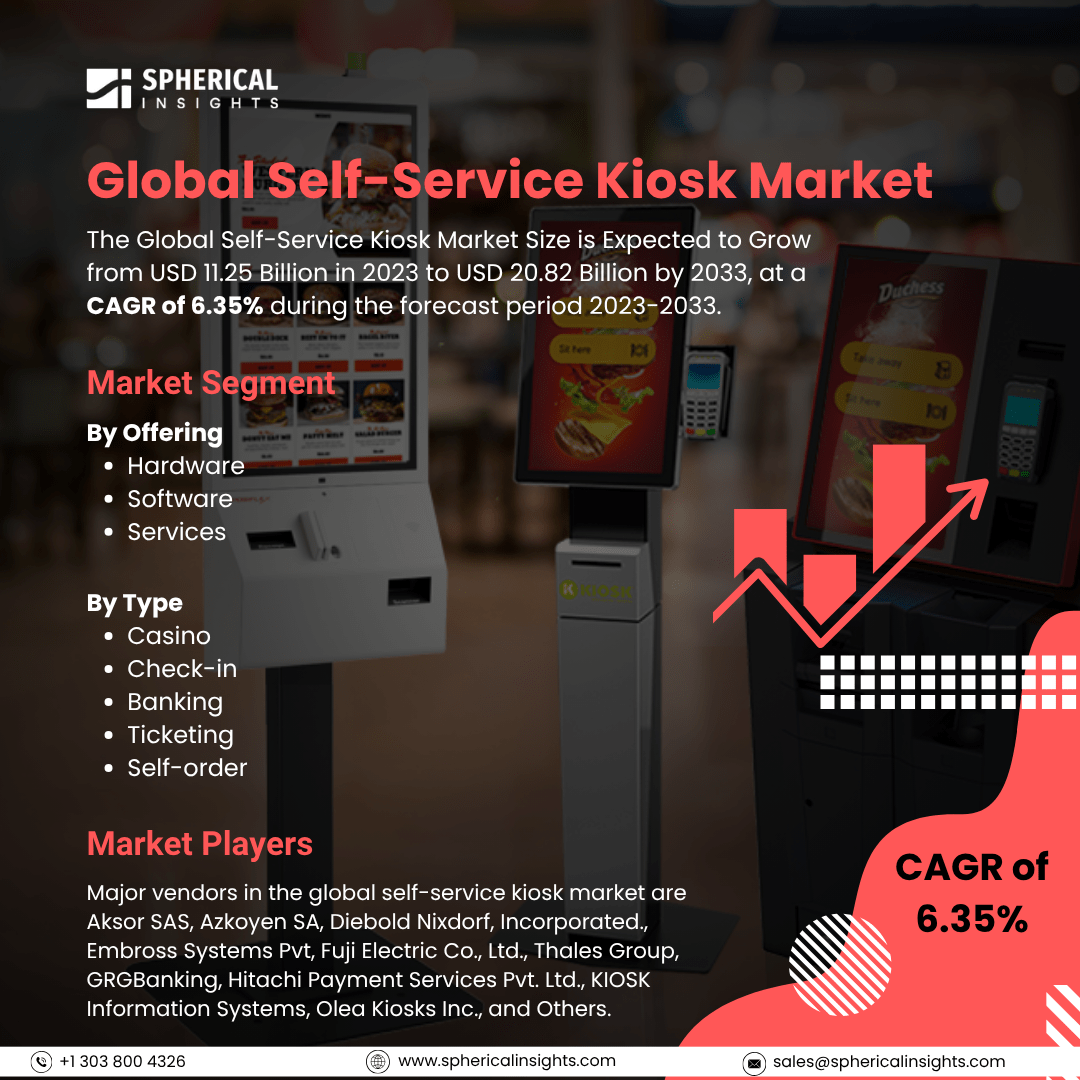
Video: Global Self-service Kiosk Market 2016-2020

The "One Size Fits All" Fallacy
Treating international teams as satellite extensions of the headquarters leads to immediate friction. If an enterprise portal displays policies, terminology, and legal disclosures tailored only to the parent country, overseas personnel will abandon the tool and revert to direct email inquiries. Localization must cover legal rules, date formats, currencies, and support processes.
Fragmented Backend Silos
If an employee must log into one portal to download a tax form, another to request a monitor, and a third to submit travel expenses, the self-service promise collapses. A successful platform functions as a single pane of glass, abstracting the complex web of underlying APIs (Workday, ServiceNow, SAP, Jira) behind one consistent user interface.
Overlooking Strict Cross-Border Data Laws
Global architectures must respect regional privacy frameworks, such as the European Union's GDPR, California's CCPA, and Brazil's LGPD. Allowing unrestricted cross-border access to sensitive personal data stored within a self-service system can trigger catastrophic regulatory fines. Granular role-based access controls (RBAC) and data residency guarantees are non-negotiable.
Framework for Successful Implementation
Modernizing your self-service ecosystem requires a structured, phase-based execution plan. Below is a proven roadmap for rolling out enterprise-scale self-service:
- Audit Common Inquiries by Region: Analyze your historical ticketing data across HR, IT, and Finance. Identify the top 20 repetitive questions coming out of each major region. Automating these high-frequency transactions forms your minimum viable launch scope.
- Establish a Central Identity Foundation: Secure single sign-on (SSO) and robust multifactor authentication (MFA) serve as the cornerstone of self-service. Integrate your user directory with dynamic attribute mapping (e.g., department, entity, country code) so the portal automatically surfaces region-appropriate services.
- Design for Mobile and Low-Bandwidth Environments: Not all team members sit at desktop computers with high-speed fiber internet. Field technicians, retail staff, and remote workers depend heavily on mobile-responsive web apps or native mobile clients.
- Iterate with Regional Champions: Before a company-wide rollout, test workflows with cross-functional focus groups in each target territory. Solicit feedback on language clarity, UI layout, and process common sense.
The Role of AI and Conversational Interfaces
The next frontier in enterprise enablement is the shift from static menus to conversational, AI-driven resolution. Natural language processing models embedded within collaboration platforms (like Slack or Microsoft Teams) allow staff to prompt the system directly:
"How do I roll over my unused vacation days in the UK entity?"
An intelligent system parses the user's role and location, retrieves the exact passage from the verified employee handbook, returns the answer, and provides an immediate interactive button to initiate the carryover process. This frictionless approach eliminates navigation hurdles and ensures that institutional knowledge is operationalized instantly.
Conclusion
Building a successful global self-service framework is not simply an IT upgrade; it is an organizational transformation. When multinational enterprises eliminate geographic and bureaucratic friction, they build trust with their workforce, accelerate day-to-day operations, and maintain compliance across diverse legal environments. By focusing on deep localization, robust integration, and intuitive design, leadership can build a self-service culture that scales effortlessly alongside international growth.