Mastering High-Intent Mobile Keywords
Understanding High-Intent Mobile Keywords
When smartphone users pull out their devices to search, they rarely browse for leisure. Mobile searches are typically driven by immediate needs, local queries, or urgent problems that require instant solutions. If your SEO strategy only targets broad desktop terms, you are missing out on valuable traffic from consumers who are ready to make a purchase or take immediate action.
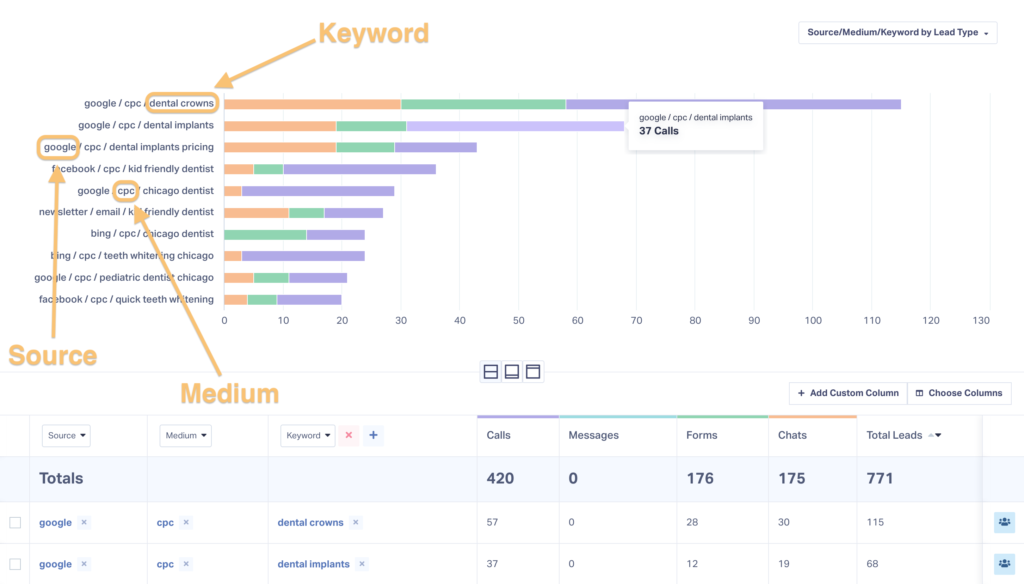
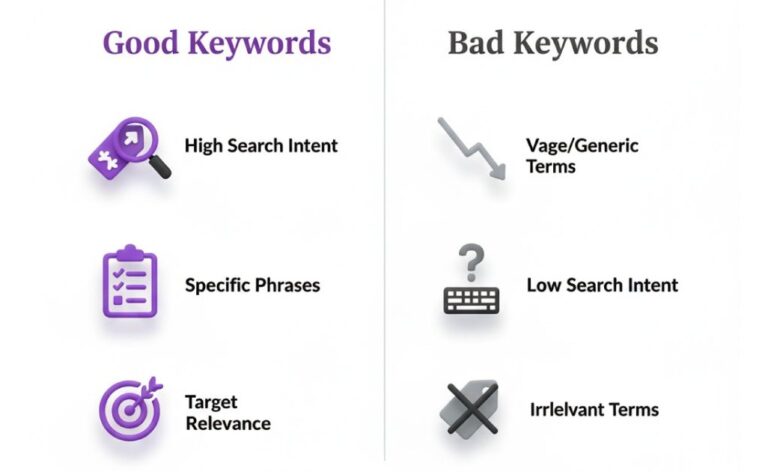
Targeting high-intent mobile keywords requires a shift in how you analyze search behavior. Instead of focusing solely on volume, you must look at the psychological state of the user. Someone searching for "best CRM software" on a desktop might be doing early-stage research. Conversely, someone searching "emergency plumber near me open now" on a smartphone is experiencing a high-stress situation and needs an immediate fix.
The Psychology of Urgency and Search Behavior
Mobile optimization goes beyond responsive design and fast page loads. It requires understanding the context of the search. Mobile users are often on the go, distracted, or facing a time-sensitive issue. This creates a unique search environment where convenience and speed dictate conversion rates.
Why Mobile Intent Differs From Desktop Intent
Desktop searches often accommodate longer research cycles, comparison shopping, and deep-dive reading. Mobile searches are compressed. Users want answers in seconds. They use shorthand, voice search, and location-based modifiers. Recognizing this means your keyword strategy must account for conversational phrases, geo-targeted modifiers, and friction-reducing action words.
The Role of Convenience in Mobile Conversions
When a user searches on a mobile device, convenience is the ultimate currency. High-intent mobile terms frequently include modifiers like:
- "Near me"
- "Open now"
- "Best price"
- "Fast shipping"
- "How to fix"
Integrating these concepts into your content allows you to capture traffic that is primed to convert immediately.
How to Implicitly Target Urgent Mobile Queries
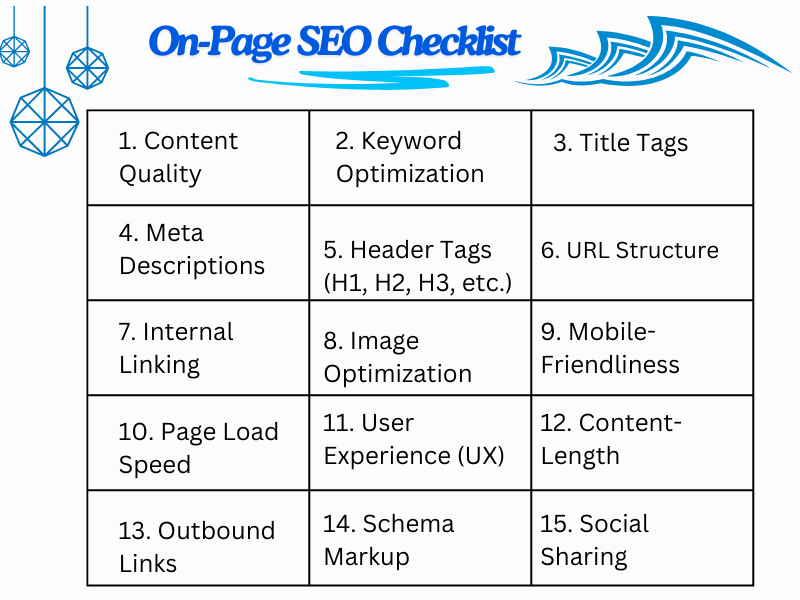
You do not always need to stuff exact-match keywords into your meta tags to rank well. Often, the best way to capture urgent mobile traffic is by addressing the context, pain points, and friction points of the user implicitly through structured, helpful content.
1. Optimize for Local and Immediate Needs
Many high-intent mobile searches are inherently local. A user looking for a restaurant, a mechanic, or an emergency service expects immediate proximity. Ensure your local SEO is airtight:
- Claim and optimize your Google Business Profile.
- Include clear NAP (Name, Address, Phone Number) data on your mobile landing pages.
- Use schema markup to help search engines understand your location and operating hours.
2. Streamline the User Journey and Reduce Friction
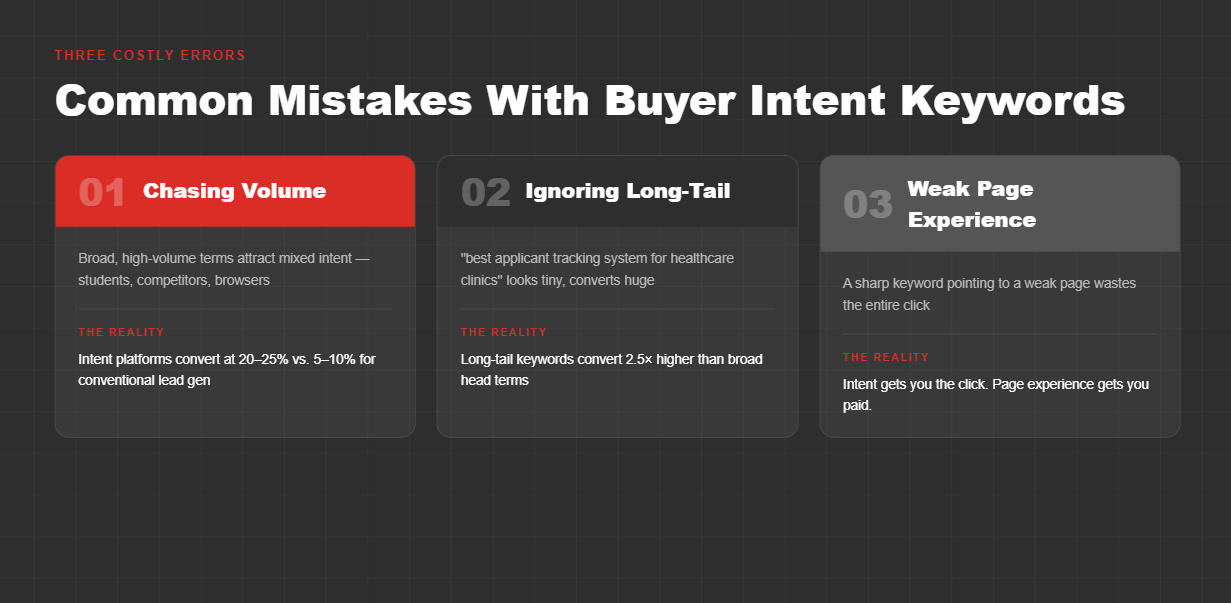
Capturing high-intent traffic is only half the battle; you must also retain it. If a mobile user lands on your site and encounters slow load times, confusing navigation, or a lengthy checkout process, they will bounce immediately. To capitalize on mobile urgency:
- Implement one-tap calling buttons for service-based businesses.
- Simplify forms by removing unnecessary fields.
- Offer digital wallets like Apple Pay and Google Pay for frictionless checkouts.
3. Create Scannable, Answer-Focused Content
Mobile screens are small, and mobile users have limited patience. Your content layout should respect their time. Use clear headings, bullet points, and concise paragraphs that answer questions immediately. If a user has to scroll through three paragraphs of fluff to find your pricing or contact info, you have already lost them.
Measuring Success and Refining Your Strategy
Tracking the performance of your mobile SEO efforts requires looking beyond overall traffic numbers. Dive into your analytics platform to segment your data by device category.
Check your mobile conversion rates, bounce rates, and average session duration for landing pages optimized for urgent queries. If traffic is high but conversions are low, your mobile UX likely has friction points that need ironing out. Continuously refine your keyword approach by analyzing search console queries where your mobile impressions are high, allowing you to tailor your content precisely to what mobile users are looking for.
Conclusion
Targeting high-intent mobile traffic is essential for modern digital marketing. By understanding the urgency behind smartphone searches, optimizing for local and immediate needs, and removing every ounce of friction from the mobile user journey, you can turn casual searchers into loyal, paying customers.