Mastering Local Listings: The Ultimate Guide for Businesses
What Are Local Listings and Why Do They Matter?

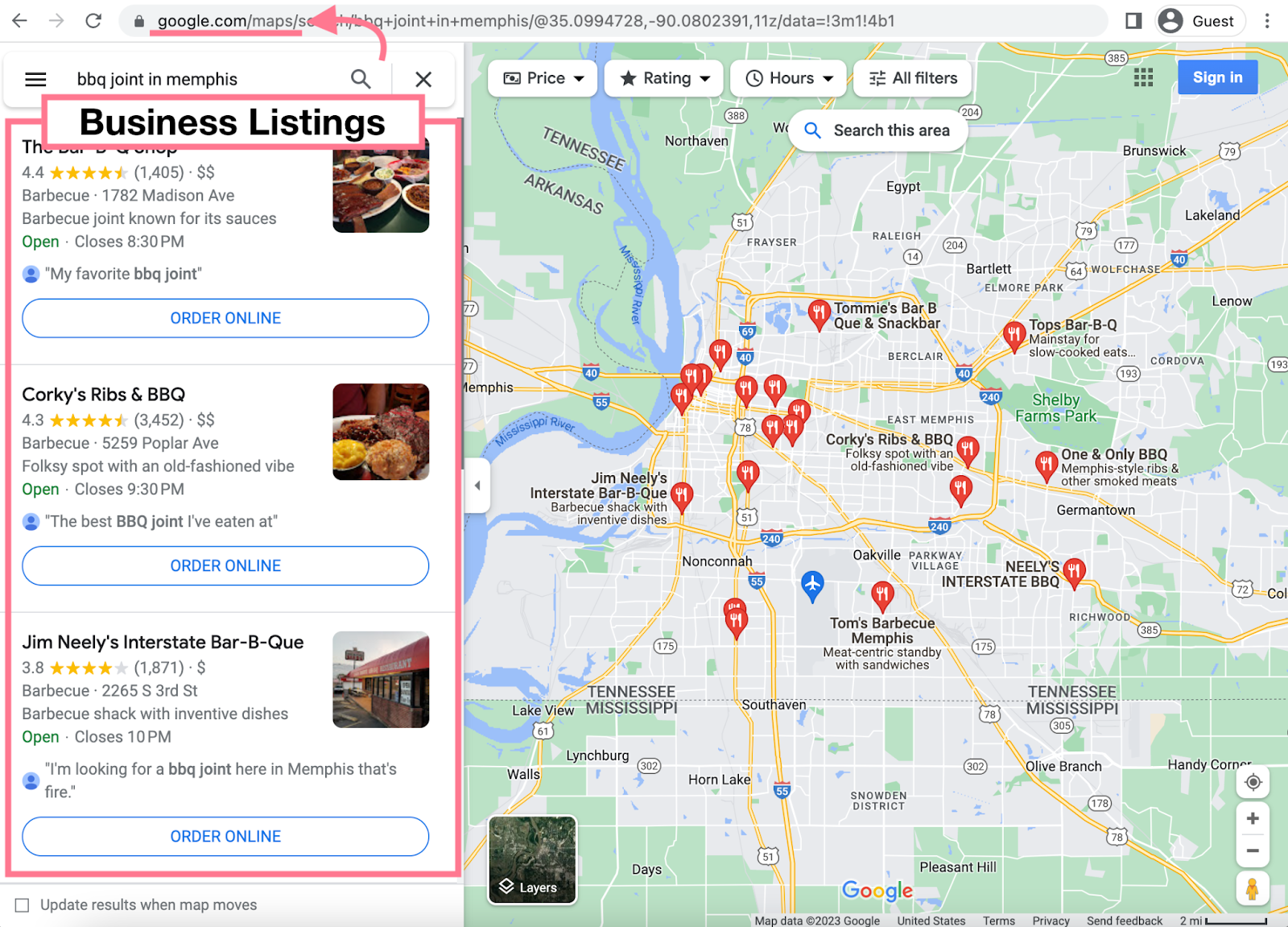
In today's digital-first marketplace, when a consumer needs a plumber, a nearby coffee shop, or an emergency dentist, they reach for their smartphone. They type a query or use voice search, expecting instant, geographically relevant results. Behind those results sit local listings—digital profiles on platforms like Google, Yelp, and Apple Maps that anchor your business in the digital geography of your community.
A local listing is essentially your business's digital storefront. It contains critical operational data such as your Business Name, Address, and Phone Number (collectively known as NAP), alongside your operating hours, website URL, photos, and customer reviews. When managed correctly, these citations act as trust signals for search engines, telling algorithms that your business is legitimate, active, and relevant to searchers in your immediate area.
The Core Components of an Optimized Listing
Simply claiming a profile across a few directories is no longer enough to win the top spots in local search results. To maximize your visibility, you need to ensure every component of your profile is thoroughly optimized.
1. NAP Consistency
Your Business Name, Address, and Phone Number must be identical everywhere they appear online. If your Google Business Profile says "123 Main Street, Suite 4" but your Facebook page says "123 Main St, Ste 4," search engines can get confused. This inconsistency dilutes your local SEO authority and frustrates potential customers.
2. Accurate Categories and Attributes
Choosing the correct primary and secondary categories is one of the most impactful actions you can take. If you run a pizzeria, your primary category should be "Pizza Restaurant" rather than a broad term like "Restaurant." Additionally, fill out every relevant attribute, such as wheelchair accessibility, Wi-Fi availability, or payment methods accepted.
3. Visual Content and Photos
Profiles with high-quality photos consistently outperform those without them. Upload professional images of your storefront, interior, products, and team members. Encourage customers to add their own photos as well, as user-generated content builds authentic social proof.

Top Platforms for Managing Local Listings
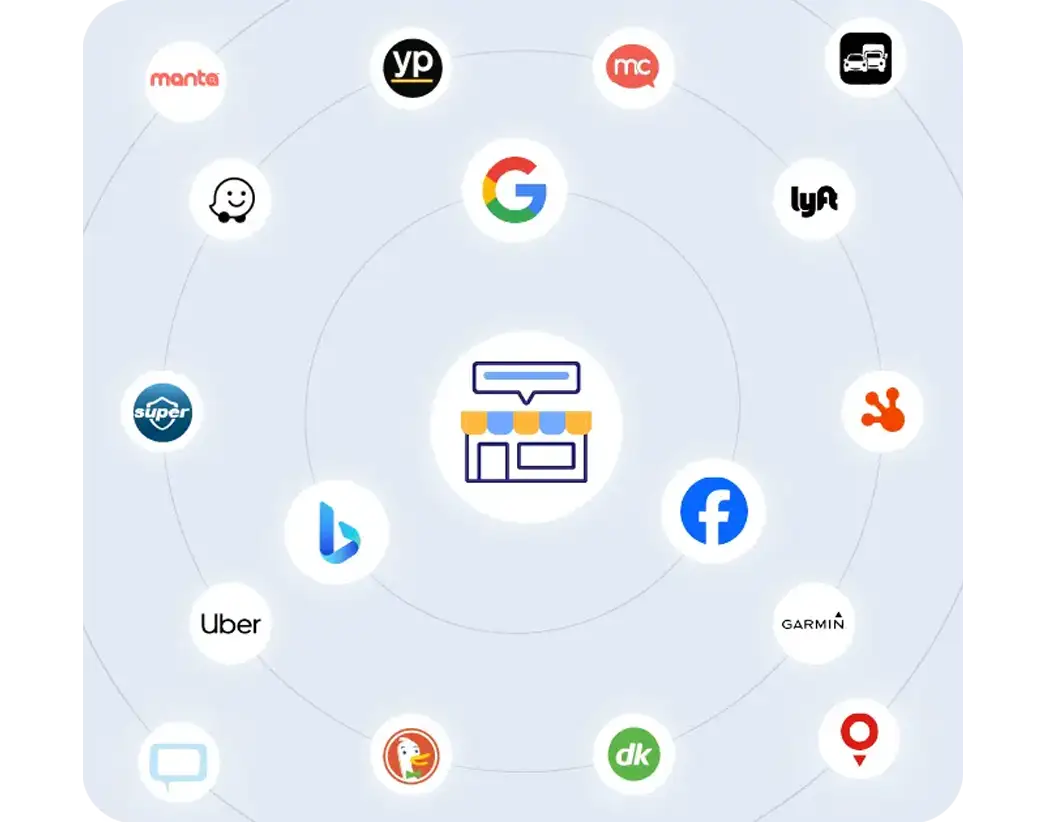
While hundreds of directories exist online, your focus should be directed toward the platforms that carry the most weight with both consumers and search engines. Here are the primary directories you must prioritize:
- Google Business Profile (GBP): The undisputed heavyweight. Optimizing your GBP is essential for ranking in the coveted Google Local Pack (the map results at the top of the page).
- Apple Maps: Crucial for capturing traffic from iOS users running Siri and Apple Maps searches on iPhones and iPads.
- Yelp: A massive review platform that heavily influences consumer trust and feeds data into numerous other applications.
- Bing Places: Often overlooked, but vital for capturing users who rely on Microsoft's search engine.
- Industry-Specific Directories: Platforms like TripAdvisor for hospitality, Avvo for lawyers, or Healthgrades for medical practices.
How Local Listings Drive Local SEO Success
Search engines like Google use three primary factors to rank local search results: relevance, distance, and prominence. Your listings directly influence all three.
Relevance is signaled by your business categories, keywords in your description, and the content of your reviews. Distance is calculated based on the user's location relative to the address listed on your verified profiles. Prominence is earned through reviews, inbound links, and the overall strength of your web presence—much of which is anchored by authoritative directory citations.
Furthermore, positive customer reviews acting as user-generated content on these platforms tell algorithms that your business provides a stellar customer experience. Responding promptly to both glowing reviews and constructive criticism further signals that your business is actively managed and customer-centric.
Step-by-Step Strategy to Clean Up Your Citations
If your business has been open for a while, you likely have duplicate listings, old phone numbers, or outdated addresses scattered across the web. Cleaning them up requires a systematic approach:
- Audit your current footprint: Search your business name alongside your city to see where profiles already exist. You can also use citation audit tools like Moz Local, Semrush, or BrightLocal.
- Claim and verify ownership: Take control of your primary profiles, starting with Google Business Profile and Apple Maps.
- Standardize your NAP data: Create a master document containing your exact business name, formatted address, primary phone number, and official website URL. Use this exact formatting for every future citation.
- Close or merge duplicates: Duplicate listings split your ranking power and confuse customers. Request closures or merges through the respective directory support channels.
- Monitor ongoing performance: Set a schedule to check your listings quarterly to ensure hours are updated for holidays, new photos are added, and spam edits from third parties are corrected.
Conclusion: Take Control of Your Local Presence
Your local listings are not a set-it-and-forget-it marketing task. They require ongoing attention, accurate data entry, and proactive review management. By treating your directory profiles as vital extensions of your brand, you will build stronger local SEO authority, earn consumer trust, and convert more local searchers into loyal, paying customers.