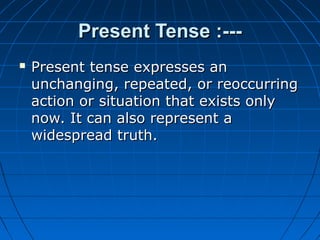
Mastering Present Tense Tension (“This is Why”)
Every writer strives for that elusive quality: the book or article readers simply cannot put down. You can spend weeks plotting intricate twists, but if your prose lacks immediate emotional pulse, your audience will drift. One of the most effective, yet underutilized, tools for fixing this is present tense tension (“This is why”).

By shifting how you frame revelations, observations, and character realizations, you pull the reader directly into the psychological now. This technique bridges the gap between passive past-tense reflection and active, breathing immediacy. Let's explore how this linguistic device works and how you can wield it to elevate your writing.
The Psychology of Immediate Narrative
Human beings process stories through empathy and anticipation. When a narrator reflects on events using traditional past tense (“He slammed the door because he was furious”), the reader processes the action as something finished, categorized, and filed away in history. The emotional danger has already passed.
However, when you anchor the narrative in the immediate moment, the psychological distance shrinks. The reader stops watching a movie of past events and steps onto the stage while the performance is happening. It creates a vacuum of uncertainty that demands to be filled.
Why Present Tense Works So Well
Traditional storytelling often relies on chronological reporting. Present tense interruption shatters that predictability. It forces the reader to confront the *meaning* of an action right as it unfolds, rather than waiting for a post-mortem summary.
- It eliminates narrative lag by keeping the perspective locked in the protagonist's current heartbeat.
- It highlights cause and effect instantly, linking physical action to psychological motivation without missing a beat.
- It builds an intimate, almost conspiratorial bond between the narrator and the reader.
How to Use Present Tense Tension (“This is Why”) Effectively
Applying this technique isn't just about changing verb endings; it is about framing the narrative arc around active realization. When you write “This is why,” you are pointing a spotlight at a crucial truth just as it dawns on the character or narrator.
Consider the difference in these two examples:
Video: Master All 4 Present Tenses in 10 Minutes!
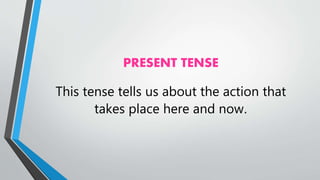
- Passive past tense: She hesitated at the threshold. She had always been afraid of confined spaces.
- Tense-driven framing: She hesitates at the threshold, breath hitching in her throat. This is why she avoids old buildings.
The second example delivers an immediate sensory jolt. The hesitation happens now, and the motivation is explained not as a historical fact, but as an urgent, living reality.
Balancing Immediacy with Pacing
While present tense tension (“This is why”) creates incredible energy, it is best used like hot sauce—a little bit goes a long way. If every single sentence throbs with frantic immediacy, the reader becomes exhausted. Reserve this device for critical turning points, emotional revelations, or moments of sudden clarity.
Use it when a character connects the dots of a betrayal, when a narrator suddenly understands a dangerous pattern, or when a scene pivots from calm to chaotic. By dropping this phrase into pivotal beats, you signal to the reader: *Pay attention. Everything changes right now.*
Common Pitfalls to Avoid
Like any advanced stylistic choice, overusing or misapplying present tense tension can backfire. Watch out for these common traps:
- Tension inflation: Using high-stakes framing for trivial matters (“This is why he picked up the blue pen instead of the red one”). Keep the device reserved for genuinely impactful moments.
- Tense slipping: Accidentally bouncing between past and present within the same sentence in a jarring, unmotivated way.
- Telling instead of showing: Relying on the phrase to do heavy lifting without backing it up with visceral sensory details.
Always let the physical actions and internal sensations support the declaration. If you claim “This is why her hands are shaking,” make sure the reader can actually see the trembling fingers.
Conclusion: Bring Your Prose to Life
Great writing is all about controlling the reader's heartbeat. By mastering present tense tension (“This is why”), you stop merely reporting events and start orchestrating live experiences. Experiment with this phrasing in your next revision, look for flat narrative summaries, and watch how quickly your scenes snap into sharp, unforgettable focus.