Mastering Rhythm in Fashion Design
Understanding Rhythm in Fashion Design

In the world of apparel creation, great garments do more than just fit the body—they tell a visual story. Just as music relies on beats and pauses to engage the listener, visual art and apparel rely on design principles to guide the observer's gaze. This is where rhythm in fashion design comes into play. It is the fundamental principle that creates visual tempo, guiding the eye smoothly across a silhouette from neckline to hemline.
Without rhythm, an outfit can feel disjointed, chaotic, or dull. When applied correctly, it introduces a sense of harmony, movement, and sophistication. Whether you are sketching a high-fashion runway collection or styling a daily wardrobe, understanding how to manipulate rhythm elevates your creative output.
The Core Types of Rhythm in Apparel
Designers utilize several distinct techniques to establish tempo and movement within a garment. By repeating or transitioning specific elements, you can dictate how fast or slow the viewer's eye travels across the fabric.
1. Repetition
Repetition is the most straightforward way to establish a visual beat. It involves using the same motif, color, shape, or texture at regular intervals. Think of a row of identical brass buttons running down the front of a military jacket, or a repeated geometric print across a silk blouse. This steady recurrence creates a predictable, calming, and cohesive visual experience.
2. Progression and Gradation
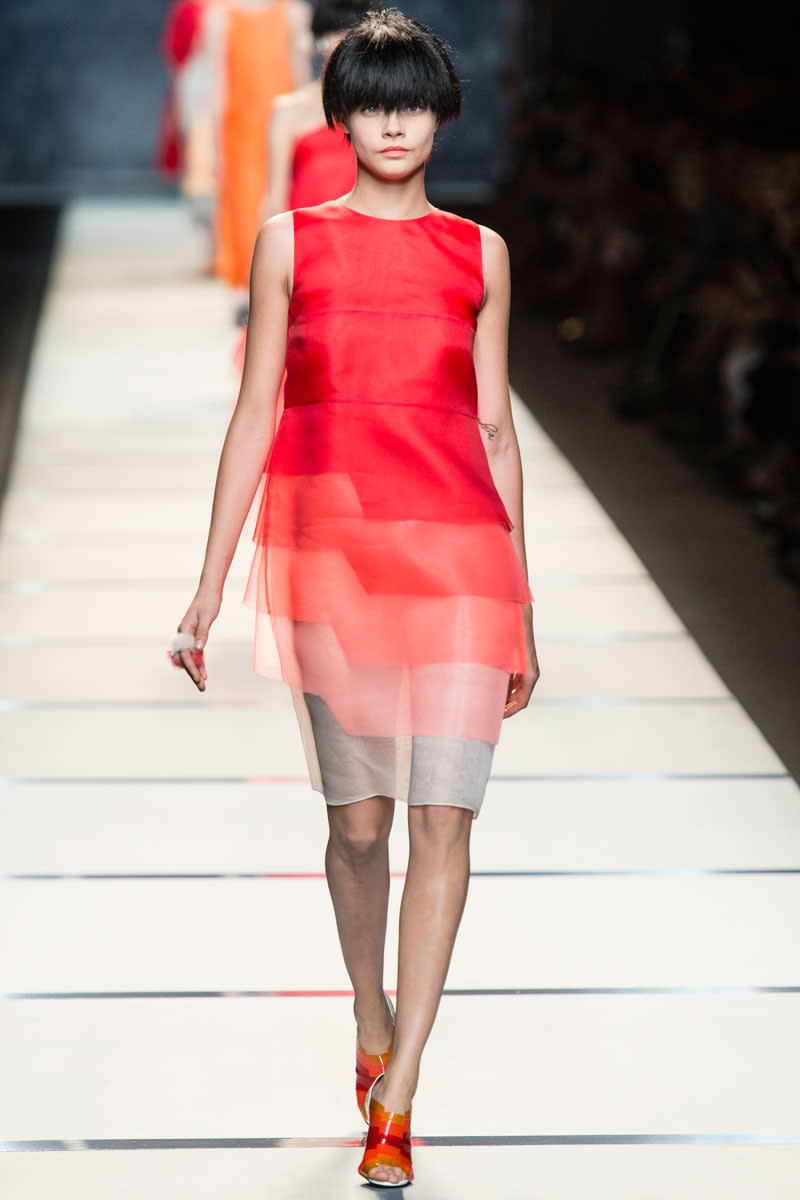
Gradation involves a gradual, step-by-step change in a design element. This could mean a color gradient that shifts from deep navy at the shoulders to sky blue at the hem, or pleats that slowly increase in width. Progression creates a dynamic, forward-moving tempo that naturally pulls the viewer's gaze in a specific direction, adding depth and dimension to the garment.
3. Radiation

Radiation occurs when design elements branch out or emanate from a central focal point. Examples include symmetrical pleating radiating from a cinched waist, circular embroidery around a neckline, or seams that fan out from a bodice closure. This technique draws immediate attention to the focal point while maintaining a balanced, rhythmic flow outward.
4. Alternation
Alternation introduces a beat of two or more elements that switch back and forth. Classic examples include black-and-white stripes, alternating sequins of matte and gloss finishes, or alternating rows of lace and sheer fabric. This creates a lively, energetic tempo that keeps the viewer visually engaged without overwhelming the senses.
How Designers Apply Rhythm to Garments
Translating these theoretical concepts into physical clothing requires a deep understanding of textiles, construction, and the human form. Designers manipulate various garment components to achieve the desired aesthetic impact.
- Surface Embellishments: Sequins, beads, and embroidery can be spaced deliberately to create repeating or graduating patterns that catch the light dynamically.
- Seamlines and Darts: Structural stitching doesn't just shape the garment to the body; architectural seams can create powerful linear rhythms that elongate or contour the silhouette.
- Color Blocking: Strategic placement of contrasting colors establishes visual steps, guiding the eye across the outfit in a deliberate sequence.
- Textural Contrast: Alternating heavy wool with lightweight silk creates a tactile rhythm that is both visually and physically compelling.
Balancing Tempo: Avoiding Visual Noise
While rhythm adds life to a garment, too much tempo can create visual fatigue. If every single element—buttons, prints, pleats, and colors—is competing for attention, the design loses its coherence.
To master this principle, successful designers often pair a complex, high-rhythm pattern with areas of negative space or "rests." For instance, a skirt with an intense, alternating pleated pattern might be paired with a simple, solid-colored bodice. This balance allows the eye to rest, ensuring the garment remains elegant and wearable rather than overwhelming.
Conclusion
Rhythm is much more than a technical rule in garment construction; it is the heartbeat of a collection. By thoughtfully incorporating repetition, progression, radiation, and alternation, designers can create pieces that possess undeniable movement and grace. Whether you are building a textile print or constructing an avant-garde gown, mastering this principle allows you to command the viewer's attention and turn fabric into a fluid work of art.