Mastering the HESI Case Study Postpartum Exam
Mastering the HESI Case Study Postpartum Exam

Preparing for nursing school exit exams or specialty HESI assessments can feel overwhelming, especially when faced with complex clinical scenarios. Among the most critical modules you will encounter is the **hesi case study postpartum** section. These case studies are designed to test your ability to synthesize maternal-newborn concepts, recognize subtle shifts in patient status, and prioritize life-saving nursing interventions under pressure.
Unlike traditional multiple-choice questions, HESI case studies mimic real-world clinical environments using the Clinical Judgment Measurement Model (NCJMM). To pass with confidence, you need a structured approach to analyzing patient history, physical assessments, lab values, and provider orders. This guide breaks down what to expect and how to maximize your score.
Understanding the HESI Case Study Format
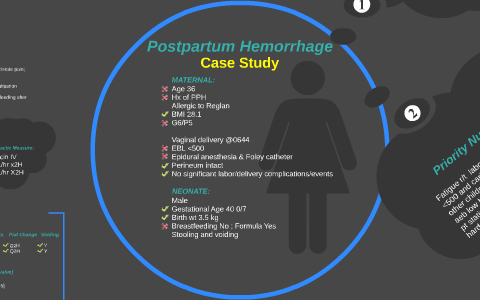
Before diving into clinical content, it helps to understand how the test is built. A typical case study presents a patient scenario—such as a G2P2 4-hours post-vaginal delivery—followed by a series of unfolding questions. As you progress through the tabs of the case study, new information is revealed, sometimes indicating that the patient's condition is improving, stabilizing, or deteriorating.
You will be tested on all six cognitive skills of the clinical judgment model:
- Recognizing cues (identifying abnormal assessment findings)
- Analyzing cues (connecting data to potential complications)
- Prioritizing hypotheses (determining the most urgent client problems)
- Generating solutions (choosing appropriate nursing interventions)
- Taking action (executing priority orders safely)
- Evaluating outcomes (assessing the client's response to care)
High-Yield Postpartum Topics to Review
Postpartum nursing requires vigilance. The immediate and early postpartum periods carry significant risks for hemorrhage, infection, and hypertensive crises. When studying for your exam, make sure you have a firm grasp of the following core topics.
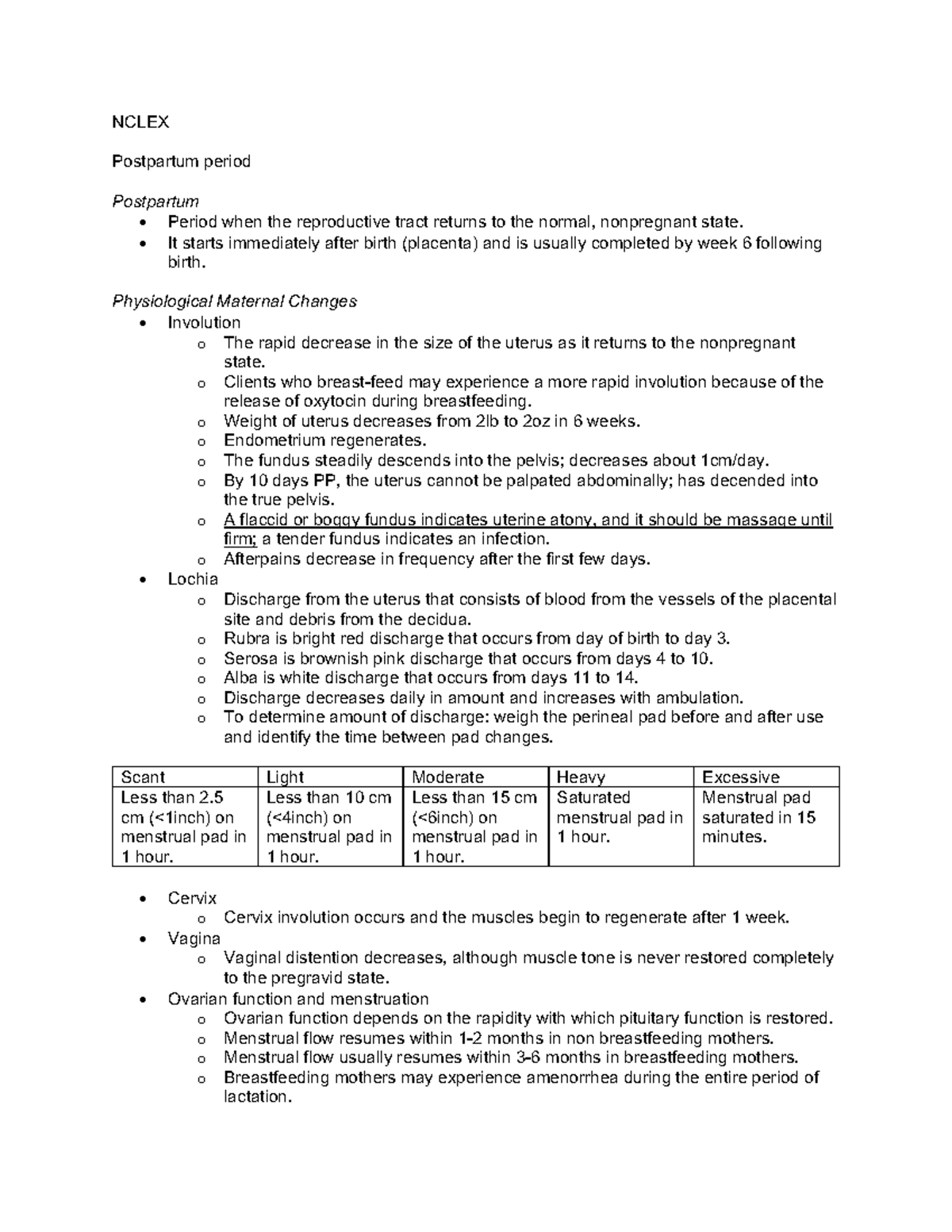
Postpartum Hemorrhage (PPH)
PPH is a staple of any postpartum case study. You must know how to differentiate between uterine atony, lacerations, and retained placental fragments.

- Key Cues: A boggy uterus (uterine atony) located above the umbilicus and displaced to the right, heavy lochia rubra, and descending blood pressure.
- Priority Actions: Fundal massage is the immediate first step. Following massage, you should administer prescribed uterotonic medications (such as Oxytocin, Methylergonovine, or Misoprostol), assess bladder distension, and monitor vital signs closely.
Preeclampsia and Hypertensive Disorders
Postpartum preeclampsia can develop within 48 hours to six weeks following delivery. Patients may present with subtle complaints that escalate quickly.
- Key Cues: Persistent headache, visual disturbances (blurring, scotomata), right upper quadrant pain, and blood pressure readings of 140/90 mmHg or higher on two occasions at least 4 hours apart.
- Priority Actions: Administer Magnesium Sulfate as a seizure prophylaxis, monitor deep tendon reflexes (DTRs), maintain a quiet and darkened environment, and have calcium gluconate readily available as the antidote for magnesium toxicity.
Postpartum Infection (Endometritis and Mastitis)
Infection monitoring is another critical component of maternity nursing that frequently appears on HESI exams.
- Key Cues for Endometritis: Foul-smelling lochia, uterine tenderness, and maternal temperature spikes above 100.4°F (38°C) after the first 24 hours.
- Key Cues for Mastitis: Localized breast pain, hard erythematous areas, and flu-like body aches, typically occurring in breastfeeding mothers experiencing milk stasis or cracked nipples.
Step-by-Step Strategy for Answering Questions
When you open a postpartum case study on your exam, avoid rushing to the questions. Use a systematic method to dissect the provided patient data.
- Read the Baseline Data Thoroughly: Note the client's parity, type of delivery, estimated blood loss (EBL), anesthesia used, and time elapsed since delivery. A patient who delivered 2 hours ago has different physiological risks than one who is 48 hours postpartum.
- Evaluate Vital Signs and Labs: Look for trends. A dropping hemoglobin and hematocrit combined with tachycardia points directly toward hemorrhage, even if the blood pressure appears stable initially due to compensatory mechanisms.
- Connect Orders to Complications: If the case study asks you to select appropriate provider orders, ask yourself: *What complication am I trying to prevent or treat?* Eliminate interventions that are contraindicated (e.g., giving methylergonovine to a hypertensive postpartum client).
- Monitor the Unfolding Tabs: Pay close attention to nurse's notes added later in the case. If a client receives an intervention (like a fluid bolus or medication), look at the subsequent vital signs to evaluate whether the intervention was effective.
Common Pitfalls to Avoid
Nursing students often lose points on case studies due to predictable testing mistakes. Keep these pitfalls in mind:
- Ignoring Bladder Status: A full bladder displaces the uterus and prevents proper contraction, leading to atony and hemorrhage. Always check for bladder distension when managing a boggy uterus.
- Confusing Normal Postpartum Diuresis with Pathology: Copious sweating and frequent urination are normal physiological adaptations in the first 24–48 hours postpartum as the body rids itself of excess extracellular fluid. Do not mistake normal diuresis for fluid overload or infection.
- Rushing Through Rationale Questions: Many HESI matrix questions require you to match a finding with a potential condition or an action with a parameter. Read every option carefully to ensure physiological accuracy.
Final Preparation Tips
To cross the finish line successfully, practice as many case studies as possible before test day. Familiarize yourself with the computer interface so you aren't wasting cognitive energy figuring out how to drag and drop answers or navigate between tabs. Review normal versus abnormal postpartum lab values—such as a normal postpartum white blood cell count (which can naturally elevate up to 25,000/mm³ due to stress and delivery) versus true signs of infection. By combining solid clinical knowledge with smart test-taking strategies, you will ace your postpartum case study and move one step closer to your nursing career.