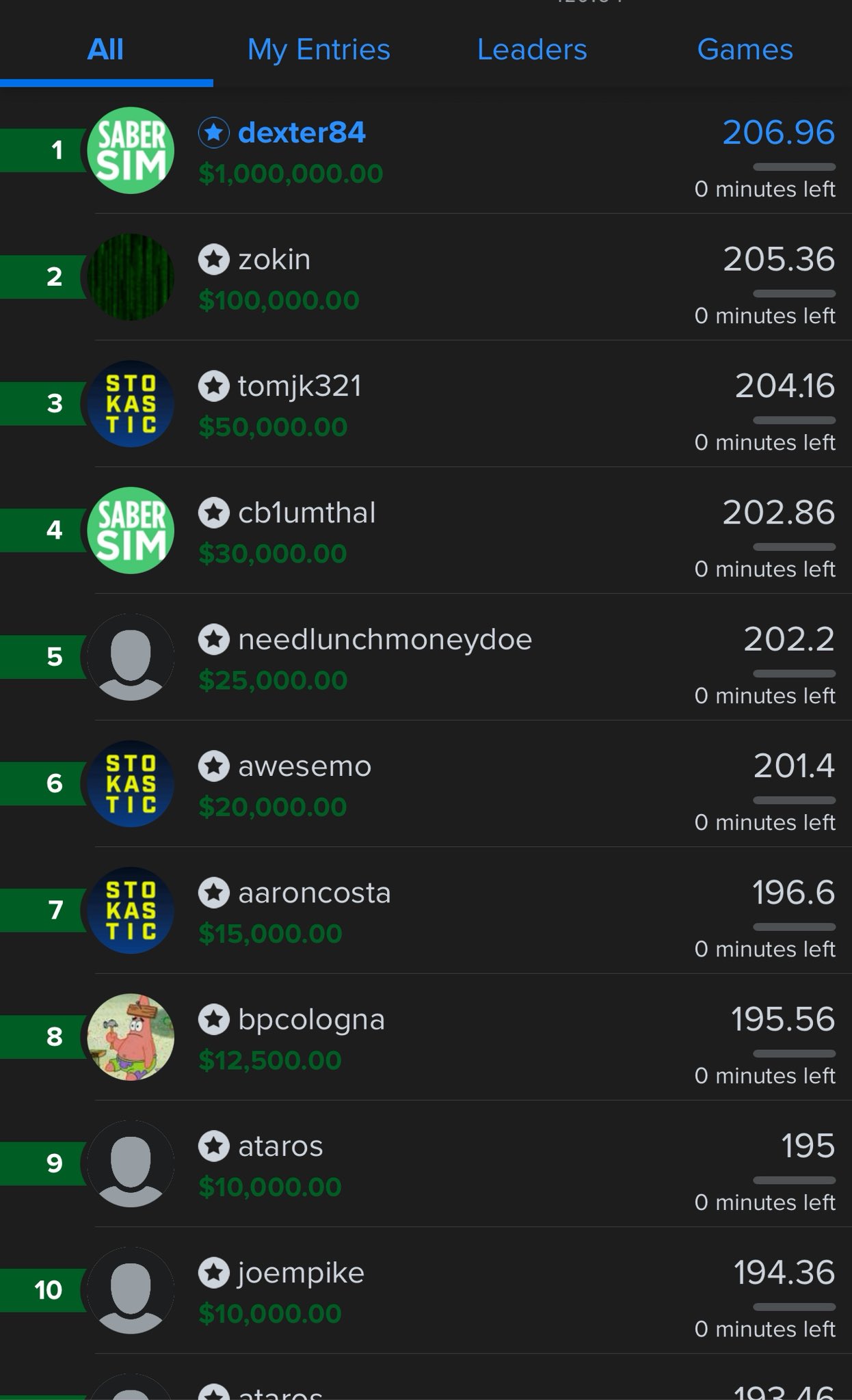
Mastering the NHL DraftKings Optimizer for Daily Fantasy
Introduction to NHL DFS and Lineup Builders
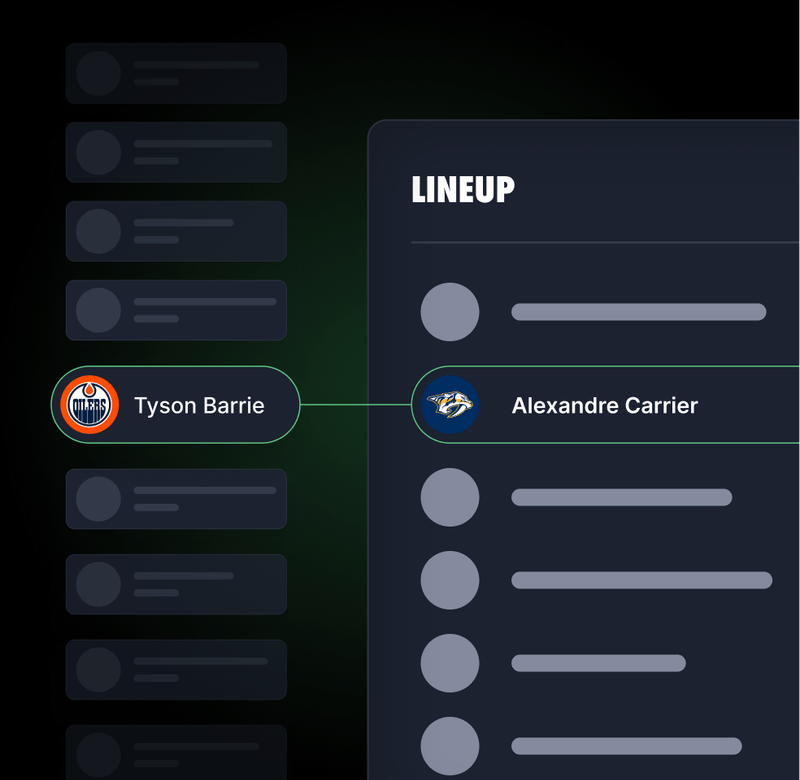
Daily fantasy hockey offers some of the most profitable opportunities in the DFS landscape. Because the sport features high variance, casual players often rely on gut feelings or favorite players rather than math. However, building consistent winning lineups requires processing vast amounts of data regarding player salaries, recent performance, power-play deployment, and opposing goaltenders. This is where an NHL DraftKings optimizer becomes an indispensable tool for serious DFS players.
An optimizer takes thousands of data points and runs mathematical algorithms to generate lineups that maximize projected fantasy points under a strict salary cap. Whether you are playing in head-to-head cash games or massive guaranteed prize pool (GPP) tournaments, learning how to configure and trust an optimizer can dramatically shift your bottom line.
How an NHL DraftKings Optimizer Works
At its core, a DFS optimizer uses linear programming to solve a puzzle: how to select the best possible combination of players without exceeding the $50,000 salary cap on DraftKings. To build a functional lineup, the software requires a few essential inputs:
- Player Salaries: The fixed costs set by DraftKings for each center, winger, defenseman, and goaltender.
- Projections: The expected fantasy points for each player based on historical stats, matchup data, and Vegas odds.
- Roster Constraints: The structural requirements of a DraftKings NHL lineup, which typically includes 2 Centers, 3 Wingers, 2 Defensemen, 1 Goaltender, and 1 Utility spot.
Once you feed these variables into the system, the optimizer instantly calculates the optimal combination. However, raw projections alone will not make you a winning player. You must know how to apply rules and constraints to guide the software.
Key Strategies for Using an NHL DraftKings Optimizer
Blindly clicking "generate lineups" and entering them into contests is a fast way to lose your bankroll. To get the most out of your tool, you need to implement proven fantasy hockey strategies.
1. The Power of Correlation (Stacking)
Hockey is the ultimate team sport, meaning individual success is heavily tied to linemates. If a goal is scored, the players who record assists receive substantial fantasy points. Therefore, stacking is non-negotiable in NHL DFS.
When configuring your NHL DraftKings optimizer, you should enforce stacking rules:
- Primary Stacks: Pair your top-line centers with their corresponding elite wingers (e.g., a 3-man stack of the top forward line).
- Power-Play Stacks: Ensure your stacks heavily feature players who skate together on the top power-play unit (PP1), as man-advantage situations yield the highest scoring upside.
- Bring-Backs: In tournaments, consider adding a player from the opposing team to capture garbage-time scoring if the game turns into a high-scoring shootout.
2. Managing Goaltender Correlation
Goaltending can make or break your DraftKings slate. A winning goalie gives you a high floor through saves and a massive ceiling via a shutout win. When using an optimizer, you must decide whether to tie your goalie to your offensive stacks.
If you stack a team's top line, playing their starting goaltender creates a correlated build. If that team dominates, both your forwards and your goalie will score heavily. Conversely, if you want to diversify risk, you can pair a high-upside forward stack from one game with a defensively sound, budget-friendly goalie from another.

3. Setting Exposure Limits
If you build multiple lineups for large-field GPPs, an unconstrained optimizer will often spam your favorite value play into 80% or 90% of your lineups. If that player has a bad night, your entire portfolio is sunk.
Use the exposure settings in your optimizer to cap how often a specific player appears. Spreading your exposure across multiple viable plays ensures you stay diversified while still capitalizing on players with strong projections.
Cash Games vs. GPP Tournaments
Your approach to running an optimizer must change depending on the contest type you are entering.
Optimizing for Cash Games (50/50s and Head-to-Head)
In cash games, your goal is simply to finish in the top half of the field. You want safety, high floor projections, and consistent ice time. When optimizing for cash games:
- Focus on players with high minutes, consistent shot volume, and steady blocked shots.
- Prioritize elite goaltenders who are heavy home favorites to win, minimizing the risk of a blowout loss.
- Accept lower-ceiling players if their projected floor is remarkably stable.
Optimizing for GPP Tournaments
Tournament formats require you to beat thousands of other entrants. Safety is the enemy here; you need absolute ceiling outcomes.
- Increase the variance in your projections or lower your reliance on pure projected points to let the optimizer find under-the-radar value.
- Enforce strict stacking rules (such as full 4-man power-play stacks).
- Embrace low-owned players (contrarian plays) to differentiate your lineups from the field when they have breakout games.
Common Pitfalls to Avoid
Even with advanced tools, many DFS players make avoidable mistakes that limit their success.
- Garbage In, Garbage Out: An optimizer is only as good as its projections. If your baseline fantasy point projections are flawed, the output lineups will also be flawed. Always double-check injury reports, starting goalies, and last-minute line shuffles before locking your lineups.
- Ignoring Late Scratches: NHL lineups change frequently due to game-time decisions, morning skate adjustments, or unexpected illnesses. Always leave yourself time to update your projections and re-run your optimizer just before lock.
- Over-Constraining the Builder: If you add too many rigid rules (e.g., forcing specific players, strict salary remaining limits, and complex positional locks), you choke off the optimizer's ability to find unique, profitable mathematical combinations.
Conclusion
An NHL DraftKings optimizer bridges the gap between raw data and actionable lineup construction. By understanding how to properly input projections, enforce smart stacking correlations, and tailor your builds to specific contest types, you can eliminate human bias and build much sharper fantasy hockey lineups. Combine these software tools with diligent pre-game research, and you will quickly find yourself climbing the DraftKings leaderboard.