Mastering the Packer Depth Chart for Fantasy
Introduction to Green Bay's Dynamic Offense
Green Bay boasts one of the most intriguing and youthful offenses in the National Football League. For fantasy football managers, trying to parse out consistent weekly production from Matt LaFleur’s scheme can feel like solving a moving puzzle. **Mastering the Packer depth chart: expert insights for fantasy football frenzies** is the ultimate key to unlocking hidden value, avoiding early-season traps, and finding league-winning waiver wire gems.
Unlike traditional offenses anchored by a singular dominant target hog, the Packers spread the wealth. Jordan Love thrives on reading the defense and delivering the ball to whoever is open. This egalitarian approach makes understanding the precise hierarchy of wide receivers, tight ends, and running backs vital for both seasonal and DFS formats.
Decoding the Wide Receiver Room
The Green Bay wide receiver corps is famous for its depth of interchangeable young talent. However, fantasy football is a game of volume and efficiency, meaning you need to know who commands the highest snap counts and target shares.
The X-Receiver and Deep Threat Dynamics
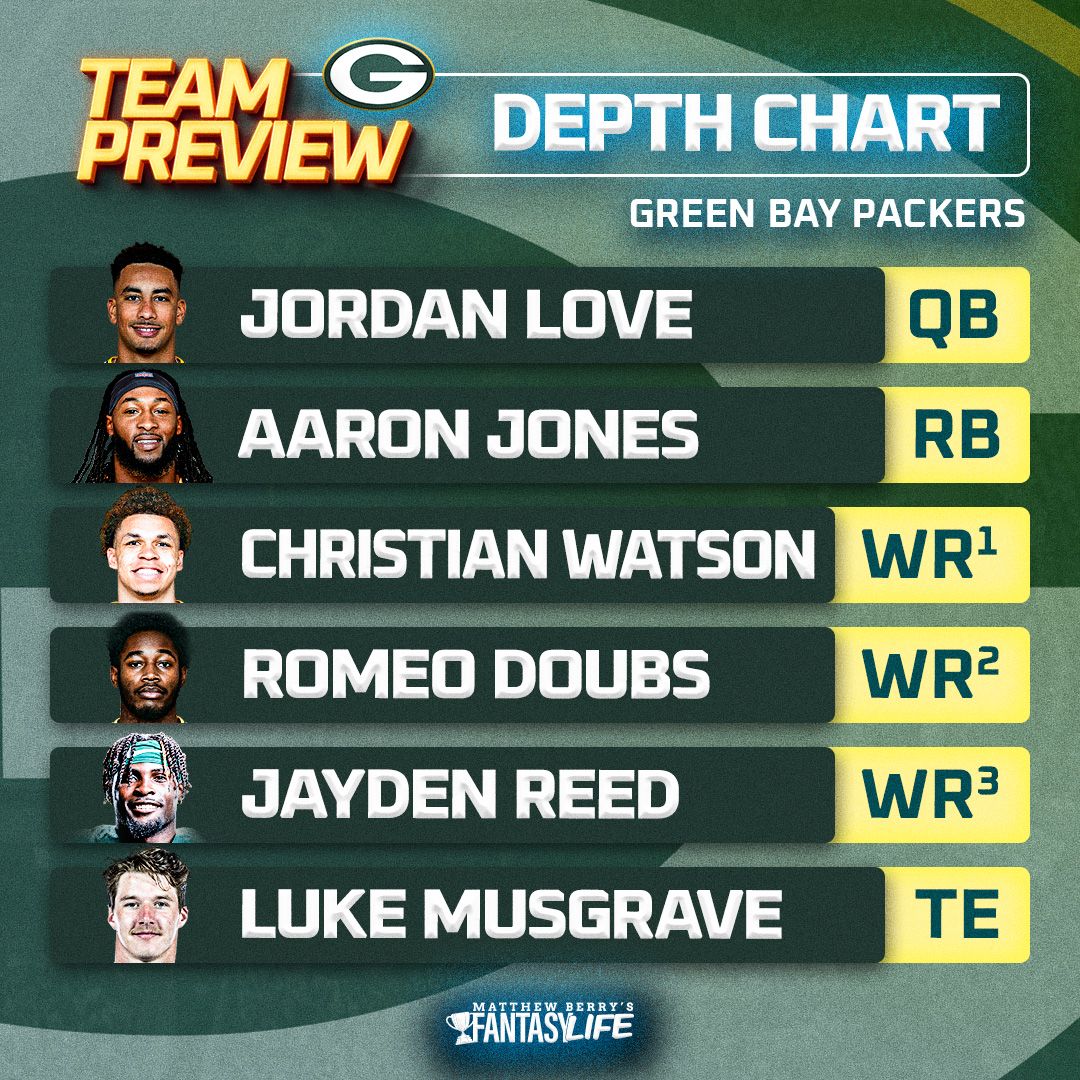
At the top of the hierarchy, Christian Watson brings explosive big-play potential. When healthy, Watson commands deep targets that can win you a week on a single play. However, his hamstring history and occasional volatility in route-running require managers to weigh his ceiling against his weekly floor.
Meanwhile, Romeo Doubs often acts as the steady, reliable chain-mover. Doubs runs crisp routes and frequently leads the team in red-zone targets, making him a high-floor flex option in standard and PPR leagues alike.
The Slot and YAC Specialists
Jayden Reed emerged as a dynamic weapon out of the slot and in designed gadget plays. Reed's ability to turn short catches into massive gains after the catch (YAC) makes him a favorite for PPR formats. Whenever you look at the weekly deployment, Reed's usage in motion and jet sweeps keeps opposing defenses guessing.
Wicks also commands attention with exceptional route separation metrics. If injuries strike the core, any of these wideouts can step into a WR2 role seamlessly, making the bottom of the Green Bay depth chart prime real estate for deep-league stashes.

Analyzing the Backfield Timelines
The running back position in Green Bay has undergone a modern committee evolution. Gone are the days of a true three-down bellcow dominating 85% of the snaps; instead, LaFleur utilizes complementary skill sets to keep defenses off-balance.
Early-Down Work vs. Pass-Catching Roles
Josh Jacobs anchors the backfield as the primary early-down bruiser. Jacobs brings elite tackle-breaking ability and durability, absorbing the heavy contact between the tackles and wearing down opposing front sevens. His volume on the ground guarantees a solid floor, though his ceiling depends heavily on goal-line conversion rates.
On passing downs, look for explosive change-of-pace options who can exploit linebackers in space. Tracking who stays on the field during two-minute drills tells you everything you need to know about who holds ultimate value in PPR scoring systems.
Tight End Utilization and Red Zone Threats
Tight ends in a LaFleur offense are asked to do heavy lifting as blockers, which can sometimes mask their fantasy utility. Yet, the modern NFL demands a pass-catching safety valve, and Green Bay features ascending talent at the position.
Both Luke Musgrave and Tucker Kraft have flashed immense athletic upside. Musgrave offers vertical stretch ability down the seam, while Kraft excels at breaking tackles and picking up tough yards after contact. When evaluating the depth chart here, remember that rookie tight ends traditionally take time to develop, but their late-season surges can win fantasy championships.
Actionable Fantasy Strategy for Draft Day and Beyond
Now that you have a firm grasp of the personnel, how do you apply these insights to your upcoming fantasy football draft or weekly waiver wire strategy?
- Don't Reach for WR1s: Because the targets are distributed evenly, drafting a Green Bay wide receiver too early can cap your upside. Target them as high-upside WR3s or flex plays.
- Prioritize Josh Jacobs for Floor: If you need reliable weekly running back production without guessing weekly splits, lock in the primary volume runner.
- Monitor Injury Reports Closely: This offense relies heavily on precise timing. When a starter misses time, the direct backup usually sees an inflated target share, making them elite streaming candidates.
By keeping a close eye on snap counts, route participation, and red-zone targets, you will stay steps ahead of your league mates. Use this comprehensive breakdown to draft smarter and win more matchups all season long.