Mastering Verified Intrigue: The Content Strategy
In an era dominated by clickbait, hyperbole, and sensationalized headlines, modern audiences have developed a sophisticated radar for exaggeration. When every article promises a 'mind-blowing' revelation and every product launch is 'revolutionary,' the market inevitably suffers from fatigue. Consumers do not just tune out the noise—they actively distrust the sources generating it.
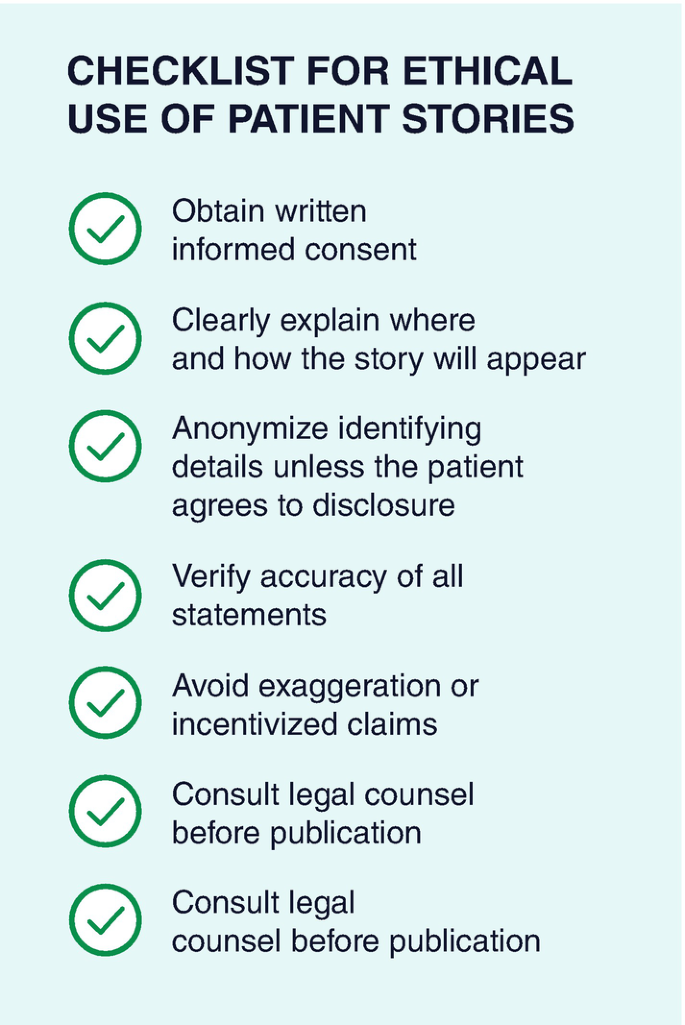
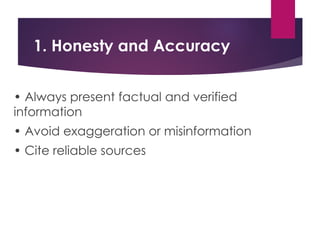
To break through this barrier, successful content creators and marketers are shifting their strategies. The golden rule for modern communication is simple: All avoid exaggeration—lean into verified intrigue. By replacing empty hype with substantiated facts, precise details, and genuine curiosity gaps, you can build lasting credibility while keeping your audience genuinely hooked.
Why Hyperbole Fails Modern Audiences
Exaggeration might secure a fleeting click, but it almost always destroys long-term engagement. When a headline promises more than the content can possibly deliver, the reader experiences an immediate sense of betrayal. This phenomenon, often called clickbait backlash, leads to high bounce rates, low social shares, and a tarnished brand reputation.
Furthermore, algorithms across search engines and social media platforms are increasingly penalizing deceptive or sensationalized content. Platforms want to keep users engaged with quality information, not frustrated by false promises. Moving away from hyperbole isn't just an ethical choice; it is a vital algorithmic necessity.
The Psychological Cost of Over-Promising
Human psychology relies heavily on pattern recognition and trust. When readers repeatedly encounter exaggerated claims that turn out to be mundane, their brains recalibrate. They begin discounting all superlatives. Words like 'ultimate,' 'unbelievable,' and 'game-changing' lose all semantic weight, rendering your vocabulary powerless when you actually *do* have something exceptional to share.
The Power of Verified Intrigue
Intrigue does not require fabrication. In fact, real-world facts are often far stranger, more nuanced, and more compelling than anything we can invent. When you ground your narrative in verified data, expert quotes, and tangible evidence, you invite the reader into a world of discovery rather than a sales pitch.
Verified intrigue relies on the friction between what people assume is true and what the evidence actually reveals. This creates a natural curiosity gap that pulls the reader forward organically.
Video: Yoichi Hirai (zkSecurity) - Your guide to formal verification when machines write Lean proofs

- Precision over generalization: Instead of saying 'millions of people do this,' cite the exact study and percentage.
- Unvarnished truth: Acknowledge limitations or complications in your subject matter to instantly boost credibility.
- Fascinating specifics: Highlight quirky, lesser-known details that provide depth rather than broad strokes.
How to Implement This Strategy in Your Writing
Shifting from sensationalism to factual fascination requires a deliberate edit of your creative process. You must learn to trust your subject matter enough to let the facts speak for themselves.
1. Audit Your Headlines
Look at your recent titles. Do they rely on emotional manipulation or extreme adjectives? Try rewriting them to focus on a specific, verifiable question or a surprising detail. For example, change 'The Most Insane Trick to Double Your Traffic' to 'How a 3-Step Content Audit Increased Organic Traffic by 41%.'
2. Dig Deeper for Better Research
Exaggeration is often a lazy substitute for deep research. When you don't know enough about a topic, you rely on sweeping generalizations. Spend extra time unearthing primary sources, case studies, and expert insights. The deeper you dig, the more authentic 'hooks' you will uncover.
3. Respect the Reader's Intelligence
Assume your audience is smart, skeptical, and busy. They don't need to be hyped up; they need to be informed and fascinated. Treat them as intelligent peers joining you on an investigation, and they will reward you with their loyalty and attention.
Conclusion
Content creation is a long-term game built on trust. By making a conscious effort to avoid hyperbole and instead lean into verified intrigue, you differentiate your brand from the sea of noise online. Tell the truth precisely, highlight the most fascinating realities of your topic, and let genuine curiosity do the heavy lifting.