Matching Mugshot to Crime: How Investigators & Tech Work
When a crime is committed, law enforcement agencies rely on a vast array of evidence to identify suspects. Among the most direct visual links in the criminal justice system is the photograph taken following an arrest. Matching a mugshot to a crime is a process that has evolved significantly over the decades, moving from manual fingerprint and photo books to sophisticated digital algorithms and forensic databases.
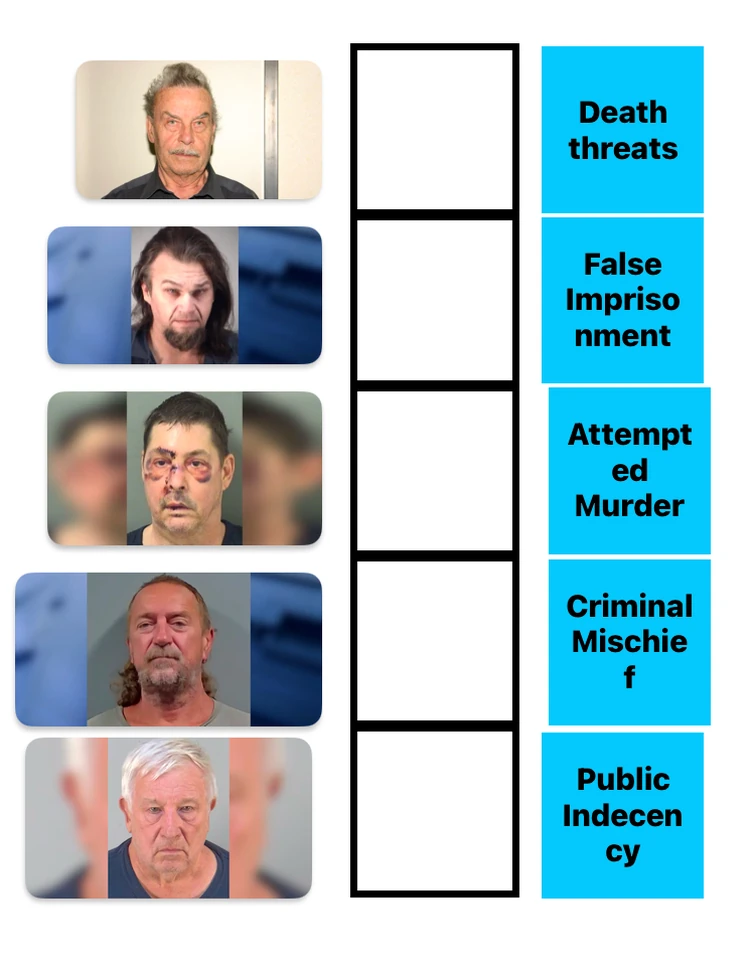
Whether it is a cold case being reopened or an active investigation involving surveillance footage, connecting a face to an offense requires a careful blend of technology, investigative work, and strict adherence to legal standards.
The Evolution of Mugshot Identification
The concept of the mugshot dates back to the invention of photography in the 19th century. Alphonse Bertillon, a French police officer, first standardized police photography alongside physical measurements (known as Bertillonage) to track repeat offenders. Before digital databases existed, detectives spent hours flipping through physical binders organized by physical characteristics like eye color, height, and scars.
Today, this process has been revolutionized by computers. Law enforcement agencies maintain massive repositories of booking photos collected during arrests. When a new crime occurs, investigators often start by looking at these databases to see if a suspect's face matches available evidence.
Methods for Matching a Mugshot to a Crime
Connecting an individual's booking photo to a specific criminal act is rarely as simple as a side-by-side comparison. Investigators use several distinct pathways to establish this link.
1. Automated Facial Recognition Technology (FRT)
Facial recognition software is perhaps the most prominent tool used today. When police obtain a still image from a security camera, dashcam, or smartphone video, they can run it through a facial recognition algorithm. The software scans the image, maps facial geometry—such as the distance between the eyes, the shape of the jawline, and the depth of the eye sockets—and compares it against millions of records in a mugshot database.
- Candidate Generation: The software generates a list of potential matches, usually ranked by percentage of similarity.
- Human Review: A trained forensic facial examiner must manually review the top candidates. Algorithms alone are never enough to make a definitive legal match.
2. Eyewitness Testimony and Photo Arrays
In cases where surveillance footage is grainy or unavailable, human memory takes center stage. Detectives construct photo arrays—often referred to as photo lineups—consisting of a suspect's mugshot alongside five or six filler photos of individuals with similar physical characteristics.
The victim or eyewitness is asked to view the array. To maintain the integrity of the investigation and prevent bias, modern departments often use blind administration, where the officer showing the photos does not know which picture belongs to the actual suspect.
3. Tattoos, Scars, and Distinctive Marks
Faces can be altered with hair dye, hats, or facial hair, but unique body modifications are harder to hide. Many modern booking software platforms allow law enforcement to search databases not just by facial features, but by specific descriptors like tattoos, scars, birthmarks, and missing teeth.
Video: Matching The Crime With The Mugshot

If a security camera captures a suspect's distinctive forearm tattoo during a robbery, investigators can query arrest records for individuals with matching ink, subsequently pulling their mugshots for further verification.
Challenges and Limitations in Visual Identification
While technology makes matching a mugshot to a crime faster than ever, the process is fraught with technical and ethical hurdles that investigators must navigate carefully.
Quality of Surveillance Footage
Commercial security cameras often record at low frame rates, in poor lighting, or from wide angles. Grainy video can distort facial features, leading facial recognition algorithms to return false positives or miss the correct suspect entirely.
Aging and Physical Disguises
People change over time. Weight fluctuations, aging, and deliberate attempts to alter one's appearance—such as growing a beard or wearing glasses—can hinder both human and machine-based identification.
Bias and Accuracy Concerns
Studies have shown that some facial recognition algorithms have higher error rates when identifying individuals from certain demographic backgrounds. Because of these potential biases, a digital match is treated purely as an investigative lead, not as definitive proof of guilt.
Legal and Privacy Safeguards
The use of booking photos in criminal investigations is strictly regulated. A mugshot is taken after a lawful arrest, meaning the individual is already within the criminal justice system. However, searching these images against public databases or utilizing third-party facial recognition networks has sparked intense legal and privacy debates.
In many jurisdictions, policies now require mandatory human oversight, audit trails for database queries, and limits on how long surveillance images can be retained. Courts demand that any identification derived from a mugshot comparison be tested during trial, where defense attorneys can cross-examine the reliability of the software, the lighting conditions of the security footage, and the procedures used by the police.
Conclusion
Matching a mugshot to a crime sits at the intersection of traditional detective work and modern forensic science. While algorithms and expansive digital databases have accelerated the speed at which law enforcement can identify persons of interest, human judgment remains the ultimate safeguard. Ensuring accuracy, protecting civil liberties, and respecting due process are essential components of turning a simple booking photograph into reliable evidence in a court of law.


