Maximizing Accuracy with a Systematic 8879 Form Approach
For tax professionals, IRS Form 8879 (IRS e-file Signature Authorization) is a critical compliance checkpoint. It bridges the gap between completed tax preparation and official electronic submission, granting practitioners the legal authority to transmit a client's return. However, rushing through this administrative step can lead to rejected returns, delayed refunds, and compliance penalties. Maximizing Accuracy with a Systematic 8879 Form Approach is essential for modern tax practices looking to eliminate human error and streamline their workflow.
By treating Form 8879 as a structured process rather than a mere afterthought, preparers can safeguard their firms and provide a seamless client experience. Below is a comprehensive guide to building a foolproof, step-by-step system for managing this vital document.
Understanding the Role of Form 8879 in E-Filing
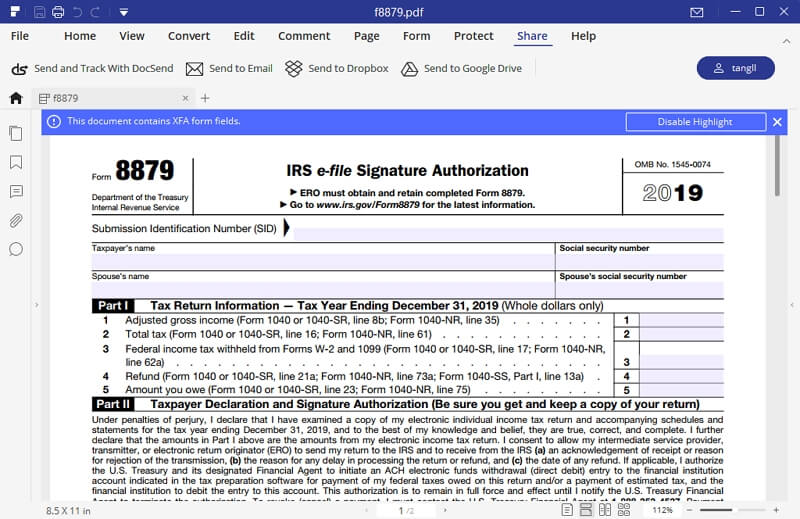
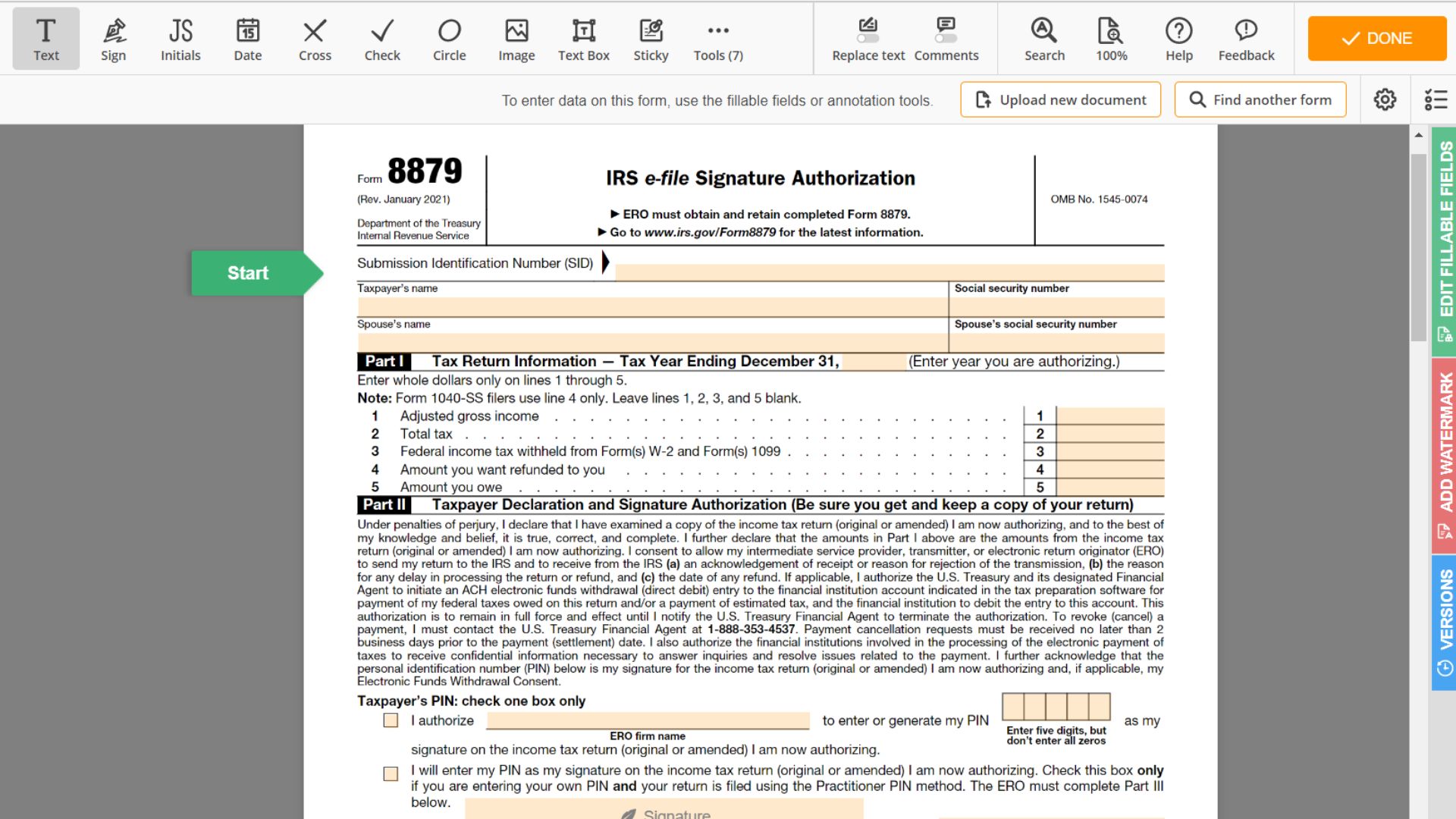
Form 8879 is required when a Practitioner Electronic Return Originator (ERO) uses a third-party software to file an individual federal income tax return. It contains the taxpayer's self-selected PIN, allowing the ERO to sign and submit the return electronically. Because the form confirms that the taxpayer has reviewed their return and declares under penalties of perjury that it is true and correct, accuracy is non-negotiable.
When a Form 8879 contains discrepancies—such as a mismatched Social Security Number (SSN), an incorrect prior-year Adjusted Gross Income (AGI), or a missing signature—the IRS will reject the electronic transmission. Fixing these errors takes valuable time during peak tax season, which is why a preventive, systematic approach pays off immediately.
Phase 1: Pre-Preparation and Data Verification
Accuracy begins long before the signature form is printed or generated digitally. Establishing strict data intake protocols prevents downstream errors that commonly plague Form 8879 execution.
Verify Primary Identity Details
Before generating the tax return, verify that all personal identification data matches government-issued identification cards. Check for:
- Exact spelling of first, middle, and last names.
- Accurate Social Security Numbers (SSNs) or Individual Taxpayer Identification Numbers (ITINs) for all taxpayers and dependents.
- Current, valid mailing addresses.
Confirm Prior-Year AGI and PINs
The IRS requires the prior-year AGI or the prior-year Self-Selected PIN to authenticate the electronic return. Ensure your intake sheet explicitly asks clients for last year's exact AGI figure from line 11 of their Form 1040, or use IRS transcript retrieval tools to pull verified data directly.
Phase 2: Implementing a Systematic 8879 Form Approach
Once the tax software generates Form 8879, implement a standardized review checklist. Do not rely solely on software error checks; human oversight remains vital.
Video: What the heck is a Form 8879?

Cross-Check Financial Figures
Compare the summary numbers on the Form 8879 against the actual Form 1040. Key fields to verify include:
- Total income (Line 9 of Form 1040)
- Adjusted gross income (Line 11 of Form 1040)
- Total tax (Line 24 of Form 1040)
- Refund or amount owed (Lines 35.a and 37 of Form 1040)
Even a minor software glitch or data entry override can cause these numbers to skew between the main return and the signature authorization form.
Ensure Proper Dating and Signatures
If you are utilizing wet signatures, ensure the taxpayer signs and dates the document on or before the date of transmission. For married filing jointly returns, both spouses must sign and date. If using remote or electronic signature platforms (such as IRS-compliant e-signature software), verify that the timestamp logic complies with strict IRS guidelines.
Phase 3: Secure Transmission and Storage
The final phase of your systematic approach involves secure archiving. Form 8879 documents must be retained by the ERO for three years from the return due date or the date the return was filed, whichever is later.
Utilize Secure Client Portals
Avoid emailing unsecured PDF copies of Form 8879, as they contain sensitive personal data, including SSNs and financial summaries. Instead, deploy encrypted client portals where taxpayers can securely review, sign, and return the authorization form.
Maintain an Audit Trail
Keep meticulous logs within your practice management software indicating when the Form 8879 was sent, when it was signed, and who reviewed it. This internal audit trail protects your practice in the event of an IRS inquiry or a dispute over filing authorization.
Conclusion
Adopting a systematic 8879 form approach transforms a potential bottleneck into a streamlined, error-free component of your tax practice. By standardizing data verification, rigorous cross-checking, and secure archiving, you minimize IRS rejections, protect client data, and boost overall operational efficiency.