MC Hammer’s $60 Million Justification & Billionaire Figure
In the early 1990s, Stanley Kirk Burrell—better known to the world as MC Hammer—was an unstoppable cultural phenomenon. Propelled by the massive success of his diamond-certified album Please Hammer, Don't Hurt 'Em, he built an empire defined by flashy parachute pants, unforgettable choreography, and astronomical wealth. Years later, cultural discussions often return to MC Hammer’s $60 million justification—what’s the real billionaire figure? To understand how a fortune of that magnitude vanished and what modern wealth really means in hip-hop, we have to look past the tabloid myths and examine the actual economics of 90s superstardom.

The Rise and Fall of a $60 Million Empire
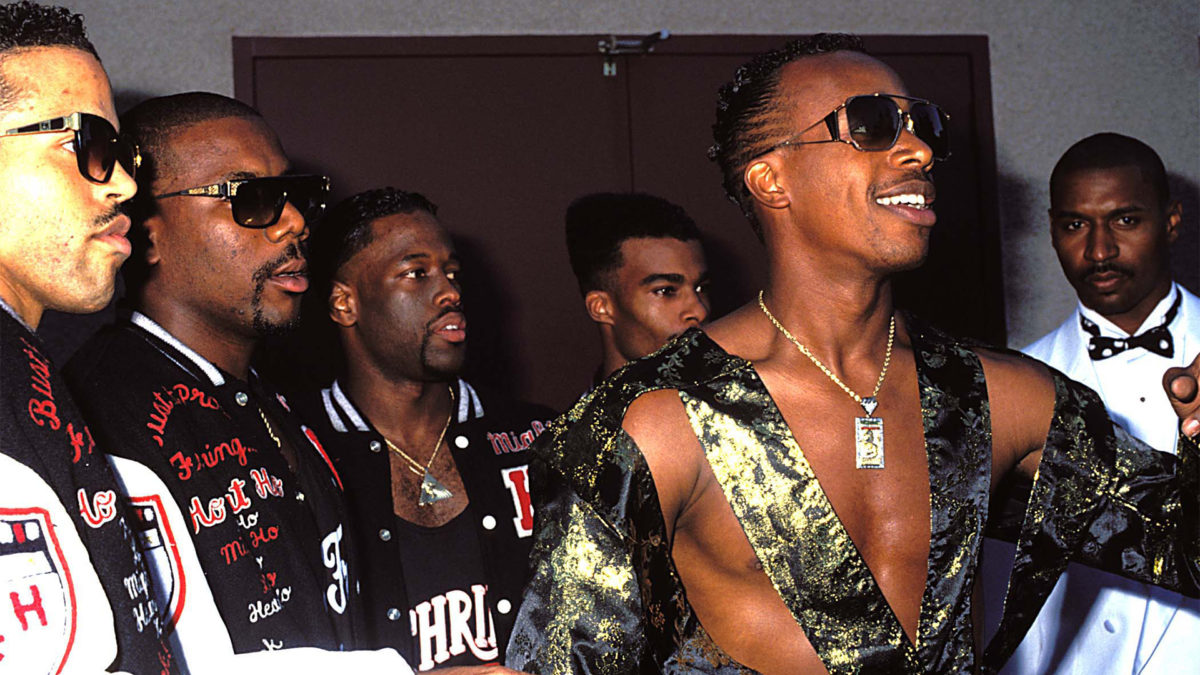
During his peak, MC Hammer was reportedly earning $33 million a year. He lived like royalty, employing a massive entourage of 200 people, purchasing a sprawling California mansion complete with gold-plated gates, and assembling a stable of over 19 racehorses. By 1996, however, Hammer filed for Chapter 11 bankruptcy, reporting roughly $13 million in liabilities against a fraction of that in assets.
When pressed in later interviews about his lavish spending, Hammer offered a defense that resonated with many self-made entrepreneurs from underserved communities. His philosophy was simple: he created jobs. He argued that his spending wasn't just frivolous waste, but a massive economic stimulus for friends, family, and local workers who relied on his payroll. While financial advisors balked at the overhead, Hammer stood by his community-first distribution of wealth.
The Mechanics of 1990s Record Deals
To truly grasp the $60 million figure, one must understand how major label contracts operated before the digital streaming era. Artists rarely walked away with dollar-for-dollar profits. Expenses that drained Hammer's gross earnings included:
- Tour Support and Production: Hammer's concerts featured massive stage setups, pyrotechnics, and dozens of backup dancers, all of which were often financed by advances that the artist had to repay.
- Enormous Payroll: Maintaining an entourage of 200 employees, security teams, and personal assistants cost hundreds of thousands of dollars every month.
- High-Interest Loans: To maintain his lifestyle and fund expanding business ventures, Hammer borrowed heavily against future royalties, creating a precarious debt cycle.
MC Hammer’s $60 Million Justification—What’s the Real Billionaire Figure?
Video: How MC Hammer Lost His Millions

When fans and financial analysts debate MC Hammer’s $60 million justification—what’s the real billionaire figure?, they are usually comparing his era to today's hip-hop moguls. Figures like Jay-Z, Dr. Dre, and Kanye West have crossed or approached the elusive $1 billion net worth threshold. However, reaching billionaire status today requires a fundamentally different business model than the one available to Hammer in 1990.
Today's rap billionaires do not rely solely on record sales or even touring. Instead, they build equity in major consumer brands, technology companies, and beverage lines:
- Jay-Z built massive equity in champagne (Armand de Brignac) and cognac (D'Ussé), alongside his stake in Tidal and Roc Nation.
- Dr. Dre co-founded Beats by Dre, resulting in a monumental $3 billion acquisition by Apple.
- Rihanna achieved billionaire status largely through her ownership stakes in Fenty Beauty and Savage X Fenty.
In contrast, 1990s artists were primarily employees of record labels. Even the biggest stars received standard royalty percentages rather than major equity stakes in the corporations distributing their music. If MC Hammer had operated in today's tech-and-equity-driven landscape with his level of global fame, his trajectory might have looked vastly different.
Lessons Learned from Hammer's Financial Journey
Hindsight is twenty-twenty, and Hammer himself has frequently spoken about his financial reboot with grace and wisdom. He didn't stay down; instead, he pivoted into tech consulting, digital media, and venture capitalism long before it became fashionable for hip-hop artists to do so.
The story of Hammer's $60 million peak serves as both a cautionary tale and a blueprint for modern artists. It highlights the dangers of high overhead and predatory lending while simultaneously showcasing the power of generating employment and economic opportunity. Ultimately, while the true billionaire figure eluded Hammer in the 90s, his cultural impact remains priceless, paving the way for the business moguls of today.