McGee and Co Painting for High-Traffic Areas
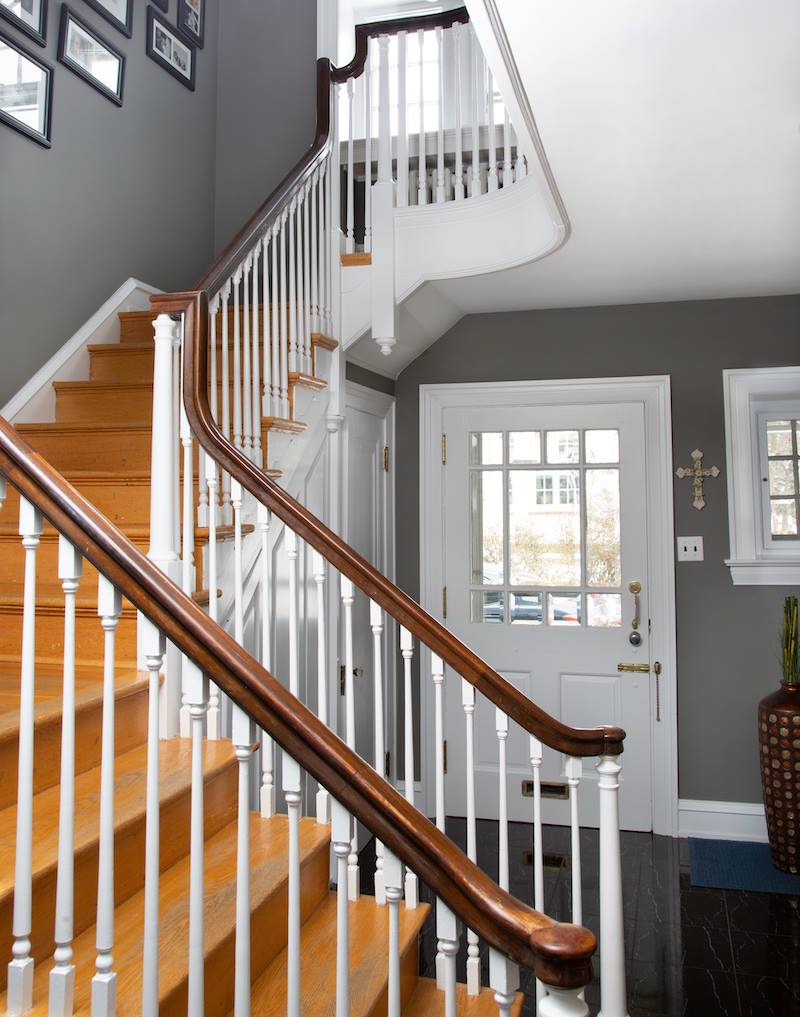
When designing or maintaining a home, the areas that receive the most physical contact—hallways, stairwells, entryways, and kitchens—often show wear and tear the fastest. Scuffs, fingerprints, and dents can quickly degrade the polished look you worked so hard to achieve. That is why homeowners and designers increasingly turn to McGee and Co painting strategies, which combine high-end aesthetic vision with rugged, real-world durability. By choosing the right paint formulations, sheens, and application methods, you can protect your walls without sacrificing sophisticated interior design.

Understanding High-Traffic Wear and Tear
Before selecting a paint product, it helps to understand what high-traffic zones endure on a daily basis. Hallways experience constant friction from shoulders, bags, and moving furniture. Entryways face moisture, dirt, and heavy foot traffic. Kitchens and family rooms deal with food splatters, sticky hands, and frequent cleaning.
Standard flat or matte paints, while visually appealing in low-traffic spaces, absorb oils and dirt easily. When wiped down, they often leave shiny spots—known as burnishing—or lose their pigment altogether. A strategic approach to high-traffic wall care requires balancing washability with visual depth, ensuring your walls can withstand daily friction while maintaining a designer finish.
The McGee and Co Painting Philosophy
The signature look popularized by Shea McGee and the design team at McGee and Co relies on timeless, livable interiors. This design philosophy recognizes that a home must function for real life, including children, pets, and frequent guests. Their approach to wall treatments emphasizes warm, neutral palettes paired with finishes that are easy to clean yet avoid the harsh, plastic-like glare of cheap high-gloss paints.
Choosing the Right Paint Sheen
Sheen is perhaps the most critical factor when painting busy spaces. The higher the sheen, the more durable and washable the surface, but also the more it will highlight wall imperfections. To navigate this trade-off, consider the following options:
- Eggshell: Offers a soft, velvety appearance with a very low gloss. Modern premium eggshell paints feature advanced resin technologies that offer better washability than older formulations, making them suitable for low-impact hallways.
- Satin: The gold standard for high-traffic rooms. Satin finishes provide a subtle, elegant sheen while standing up remarkably well to frequent scrubbing, scuff removal, and moisture.
- Semi-Gloss: Best reserved for trim, baseboards, doors, and wainscoting. These areas take the brunt of kicks, vacuum bumps, and hand touches, requiring a tough, moisture-resistant barrier.
Selecting Durable Paint Formulations
Sheen alone is not enough; the chemical composition of the paint matters immensely. When implementing a McGee and Co painting aesthetic in heavy-use zones, look for 100% acrylic latex paints. Acrylic resins form a tighter, more flexible molecular network as they dry, allowing the paint film to expand and contract with temperature changes while resisting moisture penetration.
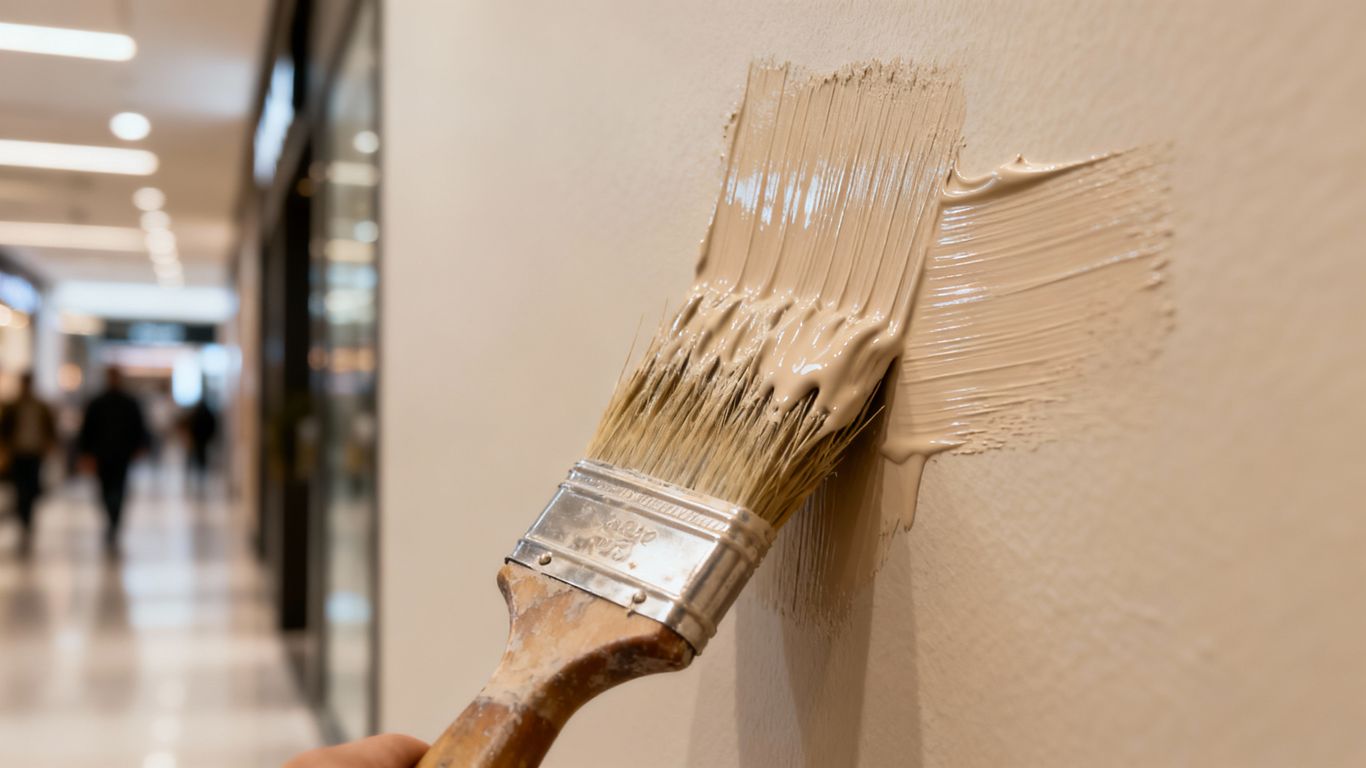
Furthermore, look for modern "scrub-rated" formulas or stain-blocking paints. These products contain ceramic or silicone additives that prevent dirt particles from sinking into the porous structure of the drywall, making everyday cleanup as simple as wiping the surface with a damp microfiber cloth.
Practical Design Solutions for Busy Walls

Even the best paint can eventually show damage if subjected to extreme abuse. Interior designers often use architectural millwork and layered wall treatments to safeguard high-impact zones while elevating the overall design.
1. Board and Batten or Wainscoting
Installing wainscoting or board and batten in entryways, mudrooms, and staircases is a classic design trick. By covering the lower third or half of the wall with wood panels painted in a durable semi-gloss finish, you protect the most vulnerable surface area from scuffs and bumps. The upper wall can then be finished in a softer satin paint or even a durable wallpaper.
2. Quality Primers Are Non-Negotiable
No paint job can withstand high traffic without a proper foundation. Always apply a high-adhesion, stain-blocking primer before adding your topcoats. Primer ensures that the finish paint bonds securely to the drywall or previous coats, preventing peeling, chipping, and bubbling under pressure.
3. Strategic Color Selection
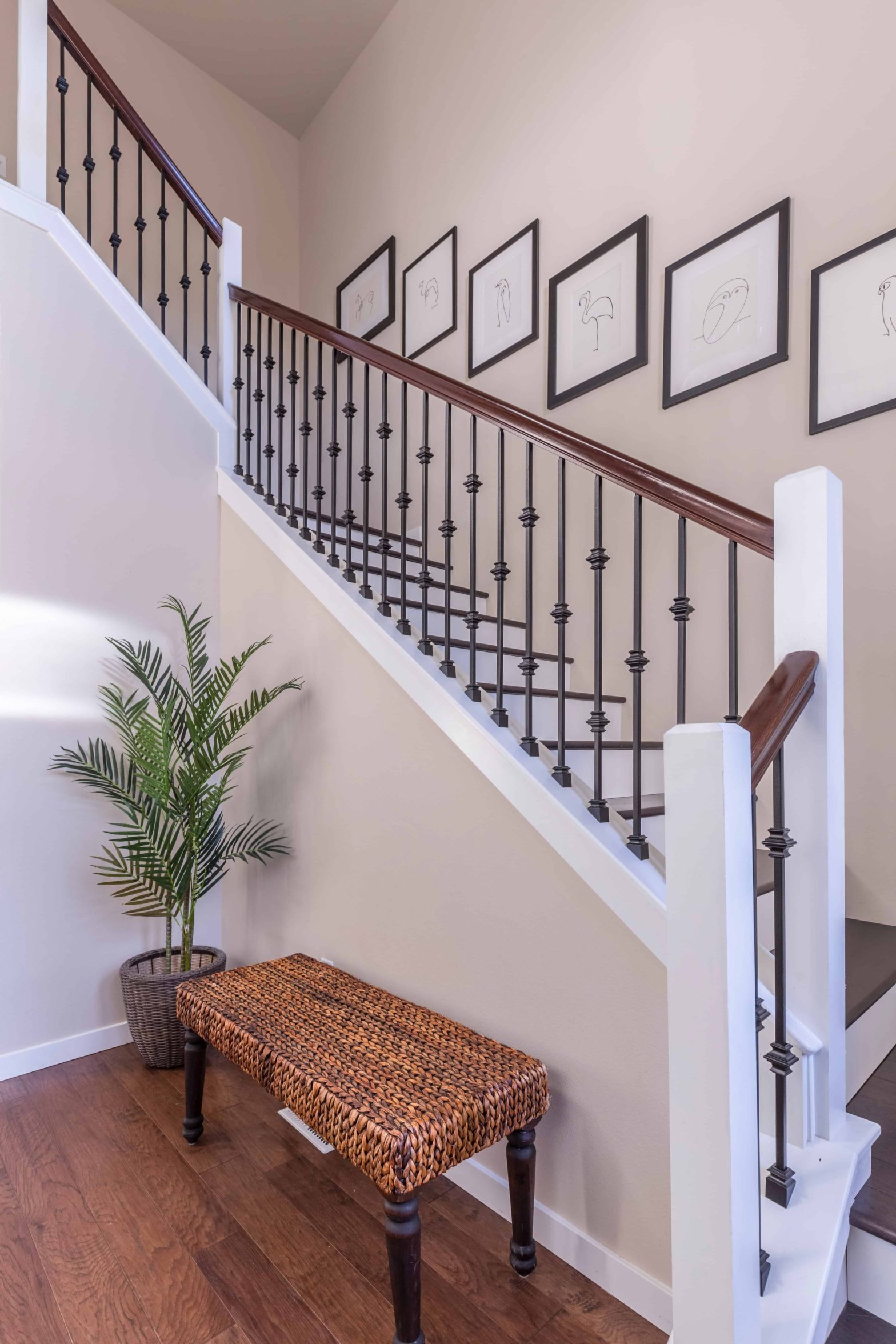
Light, crisp whites are a staple of modern transitional design, but pure brilliant white shows every speck of dust and scuff mark. Opting for warm off-whites, greiges, taupes, or muted earth tones helps camouflage minor everyday dust and smudges between cleaning days, keeping your walls looking fresh with less maintenance.
Maintenance Tips to Extend Paint Life
Once your high-traffic zones are professionally painted, proper maintenance will preserve their integrity for years to come:
- Clean gently: Use a mild dish soap mixed with warm water and a soft sponge. Avoid abrasive scouring pads that can dull the paint sheen.
- Address scuffs early: Magic erasers can remove scuffs, but use them sparingly on satin or eggshell paints, as aggressive rubbing can wear down the paint film.
- Keep touch-up paint: Always save a labeled can of your exact paint brand, color, and sheen. Minor drapes and dents are inevitable; a quick dab with a small artist brush will make them disappear instantly.
Conclusion
Maintaining a beautiful home does not mean sacrificing practicality. By embracing the principles behind McGee and Co painting styles—focusing on durable formulations, intelligent sheen selection, and complementary architectural details—you can create spaces that handle heavy daily use with grace and elegance. Invest in quality materials upfront, protect vulnerable zones with smart design choices, and enjoy a home that looks effortlessly stunning every single day.