Medical Biller and Coding Jobs: 2025 Career Guide
The healthcare industry relies heavily on financial and data accuracy to stay operational. As healthcare providers navigate complex insurance policies, regulatory mandates, and clinical documentation guidelines, the demand for qualified administrative talent continues to surge. Consequently, professionals seeking medical biller and coding jobs enter a resilient, growing sector with opportunities spanning hospitals, outpatient clinics, third-party billing agencies, and remote home offices.
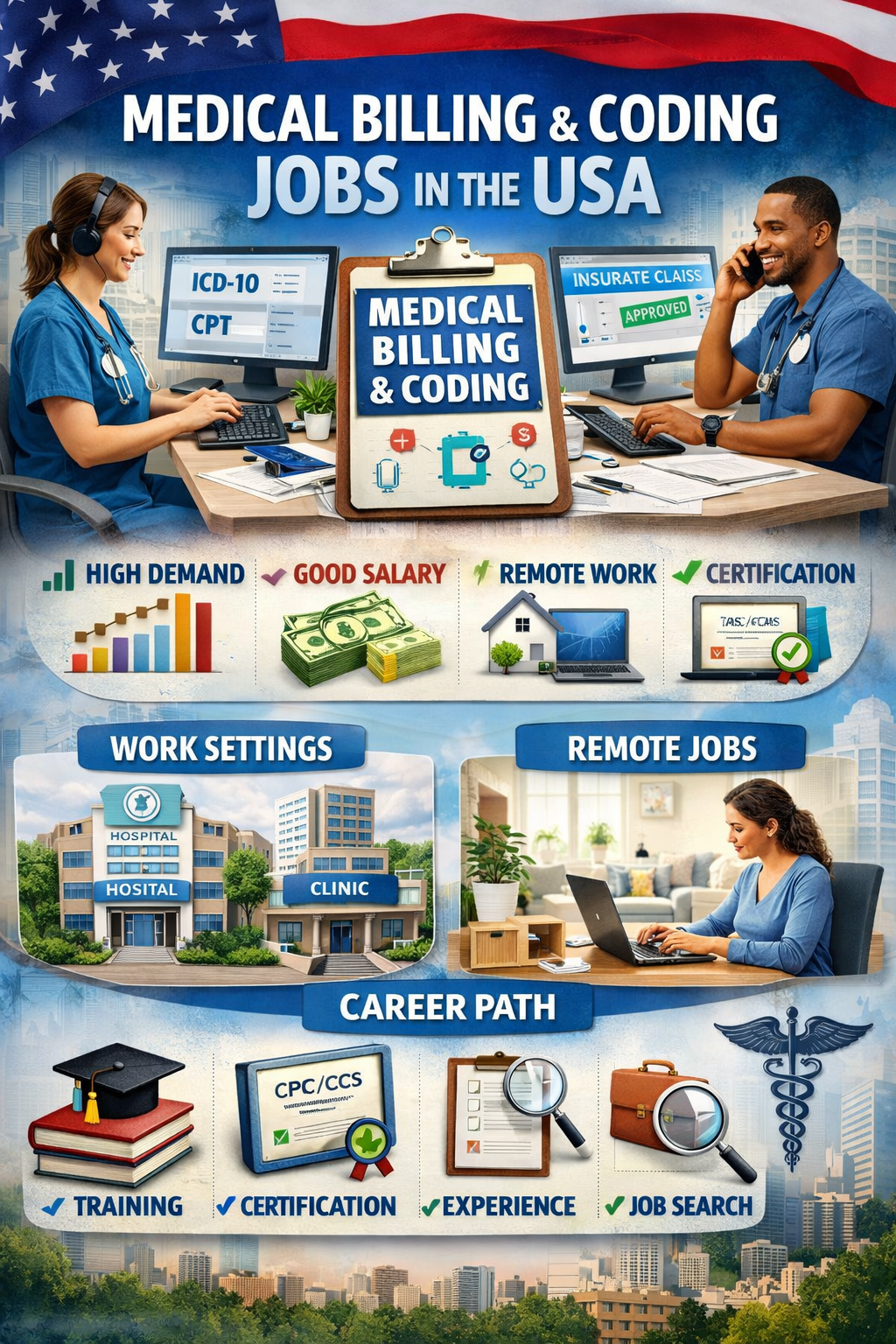
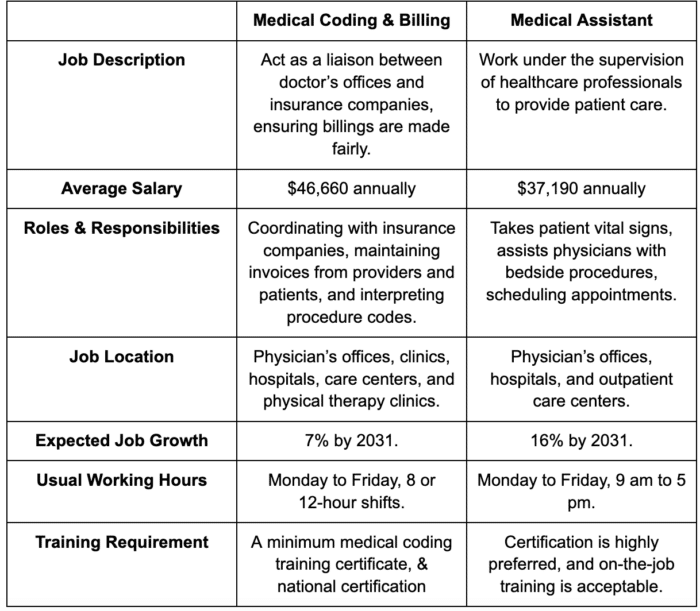
While often grouped together, medical billing and medical coding represent two distinct disciplines that operate sequentially in the revenue cycle. Understanding the differences between these functions, the credentials employers demand, and the practical paths into the field is essential for anyone looking to build a sustainable career.
Understanding Medical Biller and Coding Jobs: Roles and Differences
Smaller medical practices frequently hire a single person to handle both billing and coding duties. However, mid-sized clinics, hospital systems, and dedicated revenue cycle management (RCM) firms typically divide these roles into specialized departments.
The Role of the Medical Coder
A medical coder acts as a translator between clinical documentation and standardized data systems. When a patient visits a provider, the provider documents diagnoses, treatments, lab tests, and procedures. Coders review those medical records and assign standardized alphanumeric codes using three primary systems:
- ICD-10-CM / ICD-10-PCS: International Classification of Diseases, used to report diagnoses, patient symptoms, and inpatient hospital procedures.
- CPT (Current Procedural Terminology): Five-digit codes maintained by the American Medical Association to identify diagnostic, medical, and surgical services.
- HCPCS Level II: Healthcare Common Procedure Coding System, used for supplies, durable medical equipment (DME), prosthetics, and outpatient medications.
The Role of the Medical Biller
A medical biller takes the standardized codes generated by the coder and integrates them into a formal reimbursement claim. Billers are the operational bridge between healthcare facilities, commercial insurers, government payers (Medicare and Medicaid), and patients. Key responsibilities include:
- Formatting and submitting claims (such as the CMS-1500 or UB-04 forms) electronically through clearinghouses.
- Tracking submitted claims to ensure timely payment.
- Reviewing Explanation of Benefits (EOB) and Electronic Remittance Advice (ERA) notices.
- Investigating denied or underpaid claims, preparing appeals, and resubmitting corrections.
- Establishing patient payment plans and issuing statements for out-of-pocket balances.
Salary Expectations and Job Outlook
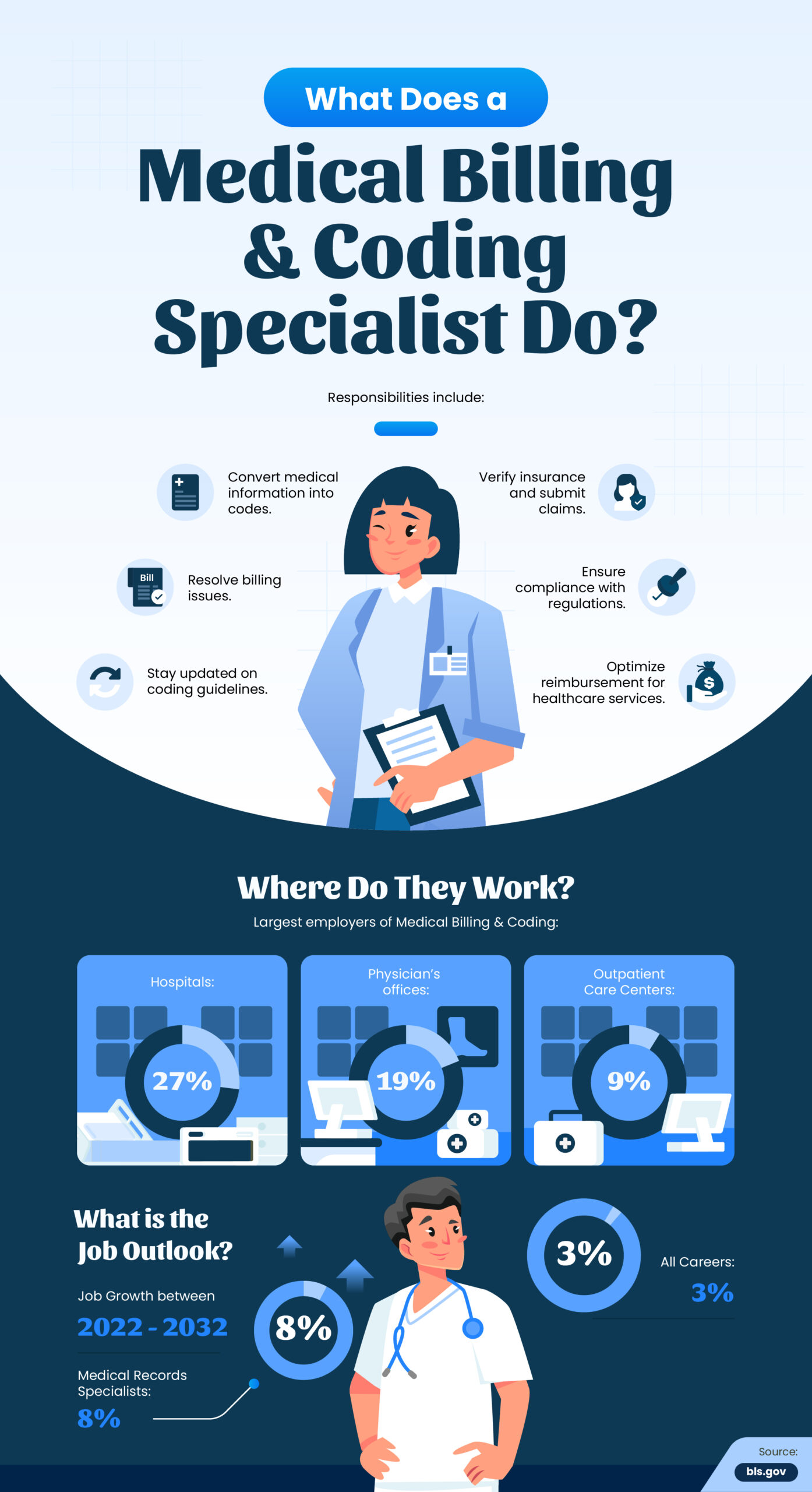
According to the U.S. Bureau of Labor Statistics (BLS), employment for health information technologists and medical records specialists—categories encompassing coders and billers—is projected to grow steadily over the coming decade. This sustained demand is driven largely by the aging baby-boomer population and expanding use of electronic health record (EHR) platforms.
Compensation varies based on certification level, geographic region, and practice specialty:
- Entry-Level Billers and Coders: Typically earn between $38,000 and $46,000 annually ($18 to $22 per hour).
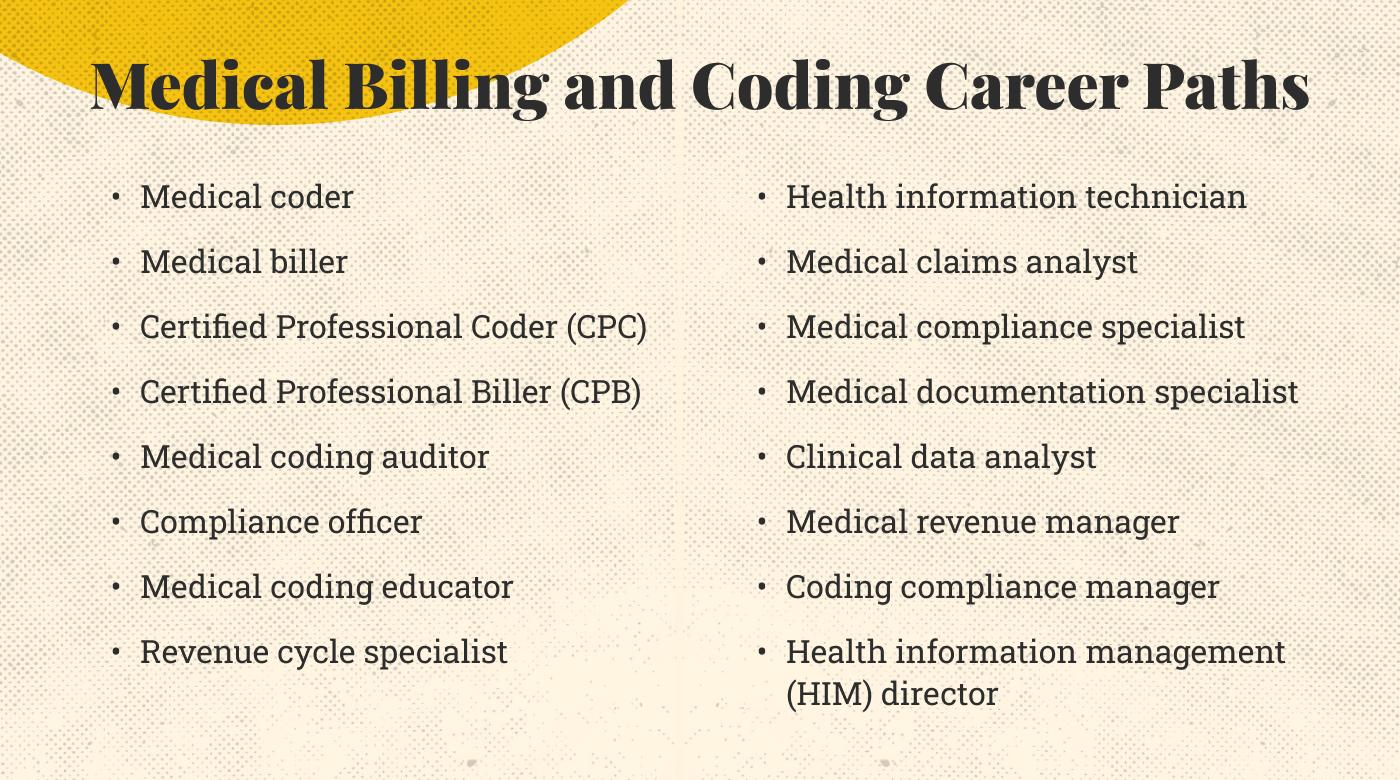
- Certified Professionals (Mid-Level): Individuals holding credentials such as the CPC (Certified Professional Coder) or CPB (Certified Professional Biller) report median earnings between $52,000 and $65,000 annually.
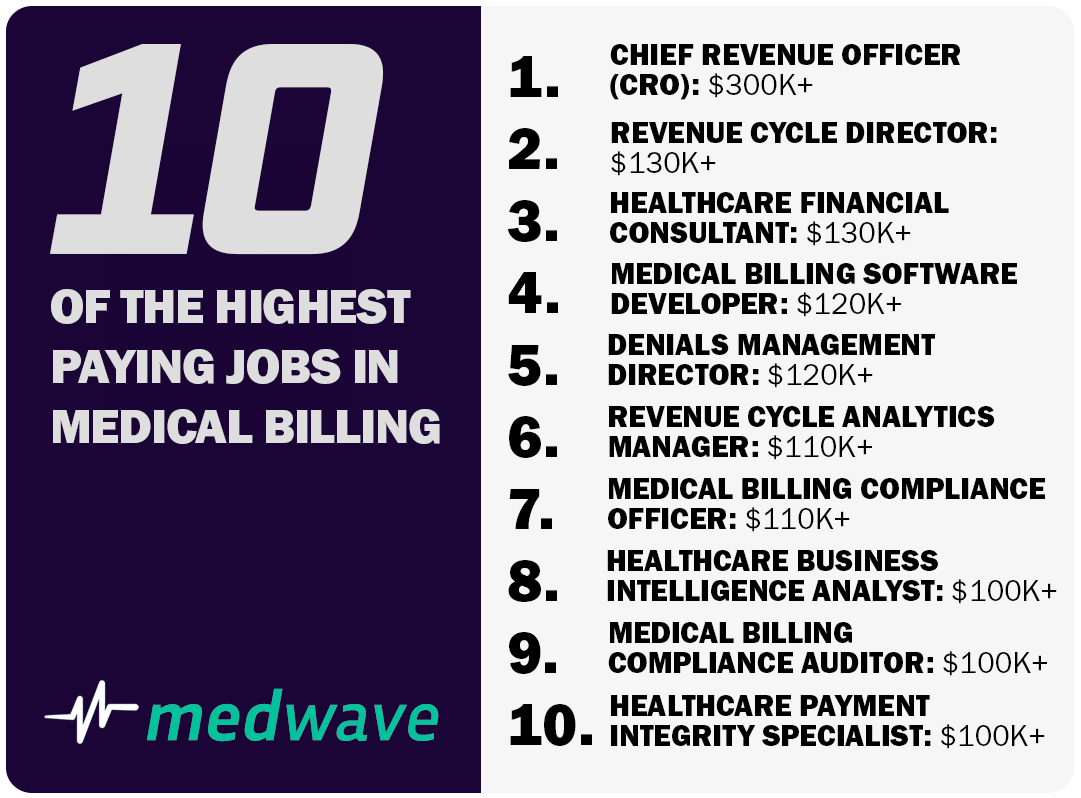
- Specialized Auditors and Supervisors: Senior coders handling complex specialties (such as interventional cardiology or neurosurgery) or those performing clinical documentation improvement (CDI) audits can earn upwards of $75,000 to $90,000 per year.
Top Certifications Employers Look For
While an associate degree in health information management can be helpful, the industry places far greater weight on professional certifications. The two primary accrediting bodies recognized across North America are the AAPC (American Academy of Professional Coders) and AHIMA (American Health Information Management Association).
- Certified Professional Coder (CPC - AAPC): The most widely recognized credential for physician-office and outpatient coding. Passing the CPC exam demonstrates proficiency in CPT, HCPCS, and ICD-10-CM guidelines.
- Certified Coding Specialist (CCS - AHIMA): The gold standard for inpatient hospital coding. It requires a deep understanding of ICD-10-PCS, inpatient prospective payment systems (IPPS), and Diagnosis-Related Groups (DRGs).
- Certified Professional Biller (CPB - AAPC): Focuses explicitly on payer guidelines, claim scrubbing, debt collection laws, credit regulations, and revenue cycle workflows.
- Registered Health Information Technician (RHIT - AHIMA): Requires an associate degree from an accredited program and qualifies graduates for broader health information management and supervisory roles.
How to Land Remote Opportunities
The digitization of healthcare records has made medical billing and coding one of the most viable fully remote careers in administrative healthcare. However, landing a remote position requires specific preparation:
1. Demonstrate Proven EHR/EMR Experience
Employers hiring remote workers look for candidates who can operate independently on major industry software platforms. Familiarity with electronic health systems like Epic, Cerner, athenahealth, eClinicalWorks, or NextGen significantly improves candidate competitiveness.
2. Establish a HIPAA-Compliant Home Environment
Remote billers and coders handle Protected Health Information (PHI) daily. Hiring managers routinely ask about home setups. You will need a private workspace with a door that closes, a dedicated high-speed internet connection, and the ability to run dual monitors efficiently.
3. Move Past the "Apprentice" Status
New AAPC certificate holders carry a "CPC-A" (Apprentice) designation until they document two years of field experience. While landing remote work with a CPC-A is possible, most organizations prefer fully credentialed professionals. You can accelerate removing the apprentice designation by taking AAPC's Practicode program, which counts as one year of experience, combined with an accredited education program.
A Practical Roadmap to Getting Started
If you are transitioning into this career path, follow this structured blueprint to build competitive qualifications efficiently:
- Master Core Pre-Requisites: Before attempting coding curriculum, complete standalone courses in Medical Terminology, Anatomy, and Pathophysiology. Coding books cannot be interpreted accurately without this baseline knowledge.
- Enroll in an Accredited Training Program: Select a program aligned with AAPC or AHIMA standards that includes the cost of code books and your first exam attempt.
- Pass Your Certification Exam: Focus your study on the official code manuals, time-management strategies, and process-of-elimination techniques to clear the 4-hour testing thresholds.
- Target Entry-Level Entry Points: If direct billing or coding openings are scarce, apply for adjacent roles such as patient intake specialist, medical records clerk, or claims follow-up representative. Internal candidates frequently get first priority when billing and coding vacancies arise.
Medical billing and coding offers a clear, stable career path that rewards precision, analytical thinking, and ongoing professional development. By earning an accredited credential, gaining familiarity with core revenue cycle software, and mastering payer guidelines, you position yourself for long-term career security across a wide spectrum of healthcare providers.