Megapersonals: What Every American Needs to Know
Online classifieds have undergone a radical transformation over the last decade. Following the federal shutdown of Backpage and the discontinuation of Craigslist Personals under FOSTA-SESTA legislation, users seeking adult dating and classified connections migrated elsewhere. One platform that rose to prominence during this migration is Megapersonals. However, the site has become a hotbed for cybercriminals, organized extortion rings, and identity thieves. Here is what every American needs to know about Megapersonals (before it's too late!) to avoid financial devastation, legal jeopardy, and compromised personal security.

The Digital Landscape: What Is Megapersonals?
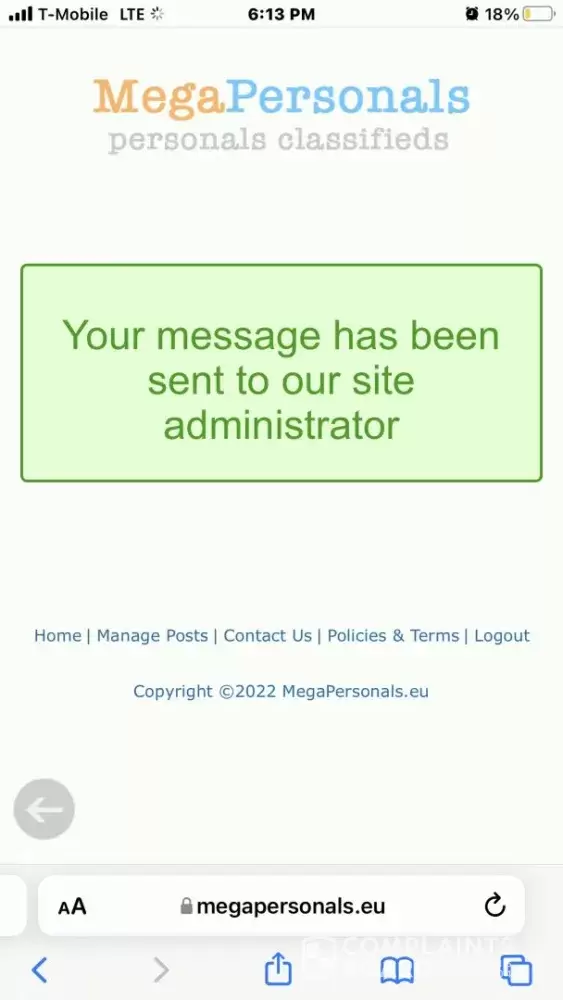
Megapersonals is an online personal classifieds board primarily used for adult hookups, casual dating, and personal encounters. Unlike mainstream dating applications such as Tinder, Bumble, or Hinge, Megapersonals functions more like an unmoderated message board. There is minimal identity verification required to post or respond to advertisements, which makes it an attractive environment for individuals seeking anonymity.
However, that same anonymity makes the site an ideal hunting ground for malicious actors. Mainstream platforms invest heavily in automated moderation, machine-learning fraud detection, and mandatory photo verification. In contrast, Megapersonals operates with minimal safeguards, shifting the entire burden of threat assessment onto the user.
What Every American Needs to Know About Megapersonals (Before It's Too Late!)
Entering unmoderated spaces online carries structural risks that go beyond bad dates. The primary issue on Megapersonals is that legitimate users are vastly outnumbered by automated bots, organized fraud syndicates, and bad-faith actors. Believing that basic digital caution is sufficient often leads consumers directly into sophisticated social engineering traps.
- Anonymity Is an Illusion: While the platform does not require extensive profile setup, your digital footprint (IP addresses, device fingerprints, and geolocation data) is constantly logged.
- High Concentration of Malicious Actors: Industry estimates suggest that a large percentage of personal advertisements in unregulated classifieds are either automated bots or fronts for criminal activity.
- Asymmetric Risk: The potential downside of interacting with bad actors on the platform—ranging from emptied bank accounts to physical extortion—far outweighs any casual benefit.
Common Scams and Threat Vectors on the Platform
Criminal enterprises operate on Megapersonals using systematic playbooks designed to exploit human vulnerability, loneliness, and fear. Anyone considering using the site must recognize these four prevalent threats.
1. The Verification Code Scam (Identity Hijacking)
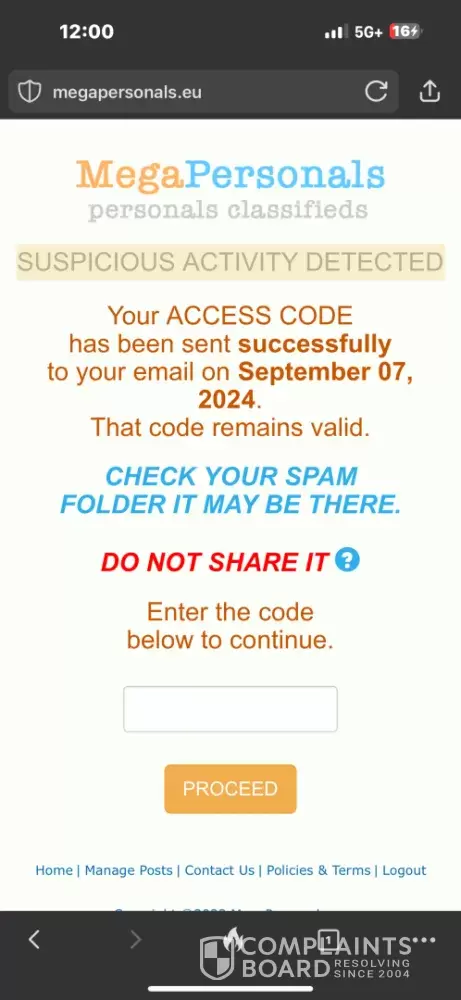
One of the most widespread scams involves a poster asking you to verify that you are "real" and not a bot or law enforcement agent. The scammer will say: "I just need to send a code to your phone so I know you're safe to meet."
In reality, the scammer enters your phone number into Google Voice, WhatsApp, or a banking platform, triggering a real two-factor authentication (2FA) SMS code to your device. If you forward that code to the poster, they use it to register accounts in your name or bypass authentication on your existing services. Victims have had entire digital identities stolen and used to defraud others nationwide.
2. Sextortion and Blackmail Schemes
Organized syndicates frequently lure users into moving conversations to encrypted or third-party platforms like Telegram, Snapchat, or WhatsApp. Once off Megapersonals, the conversationalist quickly escalates to exchanging explicit images or video calls.
Video: How to Bump to Top on MegaPersonals FAST 🚀 | Quick Step-by-Step Tutorial (2026)
The moment compromising media is sent, the tone shifts completely. The scammer reveals that they have scraped your real identity, located your family members on Facebook, or found your employer on LinkedIn. They demand immediate payment via cryptocurrency, gift cards, or wire transfer under the threat of sending the footage to everyone in your contact list. Paying rarely solves the problem; it typically signals to the extortionist that the victim is compliant, leading to demands for even larger sums.
3. The "Cartel" or Escort Safety Fine Trap
Another aggressive extortion method involves aggressive intimidation. A user messages an advertisement, perhaps exchanging a few questions, and decides not to proceed. Hours or days later, the victim receives threatening text messages containing graphic photos of violence, purporting to come from a "boss," a cartel member, or an agency manager.
The message claims that the user wasted the provider's time, cost the organization money, and must pay a "cancellation fine" immediately or face physical harm at their home address. The criminals frequently use public data aggregators to include the victim's full legal name and home address to make the threat appear genuine. While the physical threat is almost always an offshore bluff, the terror it induces causes many victims to wire thousands of dollars.
4. Armed Robbery and In-Person Lures
When communication progresses to an in-person meeting, the danger shifts from financial fraud to personal safety. Criminals frequently use stolen photographs to arrange meetings at private residences, low-budget motels, or isolated parking lots. Upon arrival, the victim is confronted by multiple individuals and robbed of their vehicle, wallet, phone, and watch under threat of violence.
Law Enforcement Monitoring and Legal Exposure
Unregulated adult classified sites are under continuous surveillance by local police departments, county sheriff offices, and federal agencies, including the FBI and Homeland Security Investigations (HSI). Sting operations on these platforms are routine.
Under federal and state statutes, attempting to solicit commercial sex carries severe criminal penalties, including mandatory registry listings in certain jurisdictions, significant fines, and prison sentences. Furthermore, operations targeting human trafficking frequently monitor these platforms. Interacting with listings that involve trafficked or underage individuals—even unknowingly—carries catastrophic legal consequences with zero tolerance under federal law.
How to Protect Yourself and Respond to Exposure
If you or someone you know has interacted with suspicious listings or suffered a privacy breach related to Megapersonals, taking swift, methodical action is essential.
- Never Send Money to Extortionists: If you are targeted by a blackmailer or a fake cartel threat, stop communicating immediately. Block the number across all platforms. Paying does not erase the material; it guarantees repeated demands.
- Preserve Evidence: Take clear screenshots of all communications, phone numbers, crypto wallet addresses, and URLs before blocking the offender.
- File Official Reports: Submit an incident report to the FBI's Internet Crime Complaint Center (IC3.gov) and contact your local law enforcement agency's cybercrime unit.
- Lock Down Your Digital Identity: If you provided a phone number or verification code, freeze your credit reports across all three bureaus (Equifax, Experian, TransUnion) and reset all account credentials. Enable hardware-based security keys or authenticator apps rather than SMS-based 2FA.
- Submit Platform Takedowns: If your unauthorized photos, phone number, or details were posted to Megapersonals by someone else (doxxing or revenge posts), look for the platform's DMCA or abuse contact channels immediately to request manual removal.
Final Considerations
The internet provides countless avenues for social and personal connection, but unvetted, anonymous classified platforms carry systemic risks that far outweigh any potential reward. The modern reality of platforms like Megapersonals is not romantic connection; it is an unregulated ecosystem populated by professional cyber syndicates targeting vulnerable consumers. Understanding these mechanics beforehand is the only reliable way to protect your personal identity, finances, and safety.