Meghan Markle’s Heritage Revealed: African Roots
Meghan Markle’s Heritage Revealed: African Roots and Ancestry

When Meghan Markle married Prince Harry in 2018, the wedding was hailed as a modern milestone for the British monarchy. As the first mixed-race person to marry into the senior ranks of the British royal family, Meghan brought a new cultural dynamic to an institution steeped in centuries of tradition. While much has been said about her biracial identity, the specific details of Meghan Markle’s heritage revealed African lineage that spans centuries, connecting her to the complex history of the transatlantic slave trade and the resilience of her ancestors.
Understanding Meghan's background requires looking beyond Hollywood and Buckingham Palace. Her ancestry is a rich tapestry of European and African roots, discovered through meticulous genealogical research, family oral history, and modern DNA testing. This exploration sheds light not only on her personal identity but also on the broader African American experience.
Tracing the Maternal Line: The Ragland Family
Meghan’s African heritage comes primarily through her mother, Doria Ragland, a social worker and yoga instructor. Doria has been a grounding presence in Meghan’s life, and her lineage holds the key to the family's deep historical roots in the American South.
Genealogical investigations into the Ragland family have traced their presence back to the era of American slavery. Like millions of African Americans, tracing direct lineages past the mid-19th century presents significant challenges due to historical record-keeping practices that often categorized enslaved people as property rather than named individuals. However, researchers have successfully mapped the family's journey from the plantations of the antebellum South to the urban landscapes of the 20th century.
Uncovering Ancestral Roots in Georgia
Historical records indicate that branches of the Ragland family originated in the state of Georgia. Through census data, marriage certificates, and freedom papers, genealogists have traced ancestral links to counties where enslaved African Americans labored on cotton and tobacco plantations.
The transition from enslavement to freedom marked a critical turning point for Meghan’s ancestors. Following the American Civil War and the abolition of slavery, members of the Ragland family navigated the turbulent Reconstruction era, eventually participating in the Great Migration that saw millions of Black Americans move from the rural South to northern and western cities in search of better economic opportunities and freedom from Jim Crow segregation.
DNA Discoveries and Cultural Connection
Video: Meghan Markle Is Distantly Related To William Shakespeare & Winston Churchill
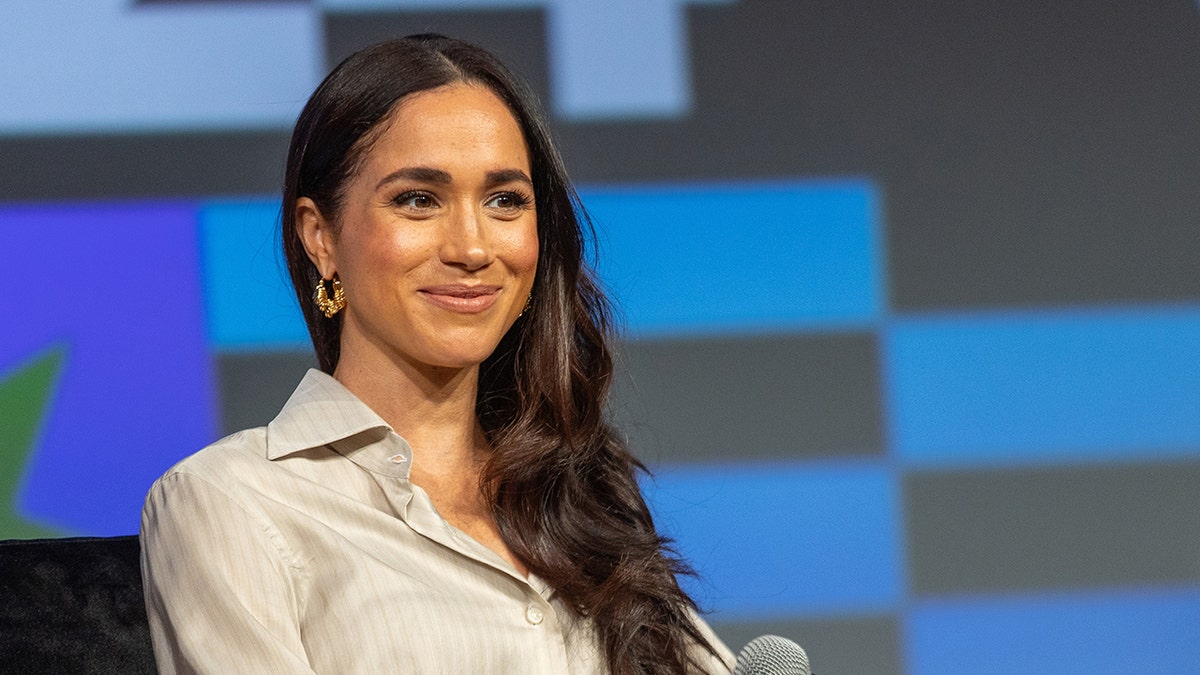
Meghan has been vocal about her identity long before joining the royal family. In a powerful 2015 essay for Elle magazine, she recounted the challenges of growing up as a biracial woman in Los Angeles, describing the painful moment when she was asked to check a single box on a census form and couldn't choose between her white father and Black mother.
Years later, as her platform grew, Meghan actively sought to deepen her connection to her roots. In a 2022 episode of her Spotify podcast, Archetypes, she revealed that she had taken a genealogy DNA test to discover her specific origins.
- Nigerian Ancestry: The DNA test revealed that Meghan is 43% Nigerian.
- Specific Ethnic Group: Subsequent research and discussions led her to discover that she belongs to the Yoruba people of Nigeria.
- Embracing the Discovery: Meghan shared that upon learning the news, she immediately had her mother call her Nigerian relatives to share the cultural revelation.
This discovery was more than just a statistical breakdown; it provided a tangible link to a continent and culture from which her ancestors were forcibly removed centuries prior.
Visiting Nigeria: A Homecoming
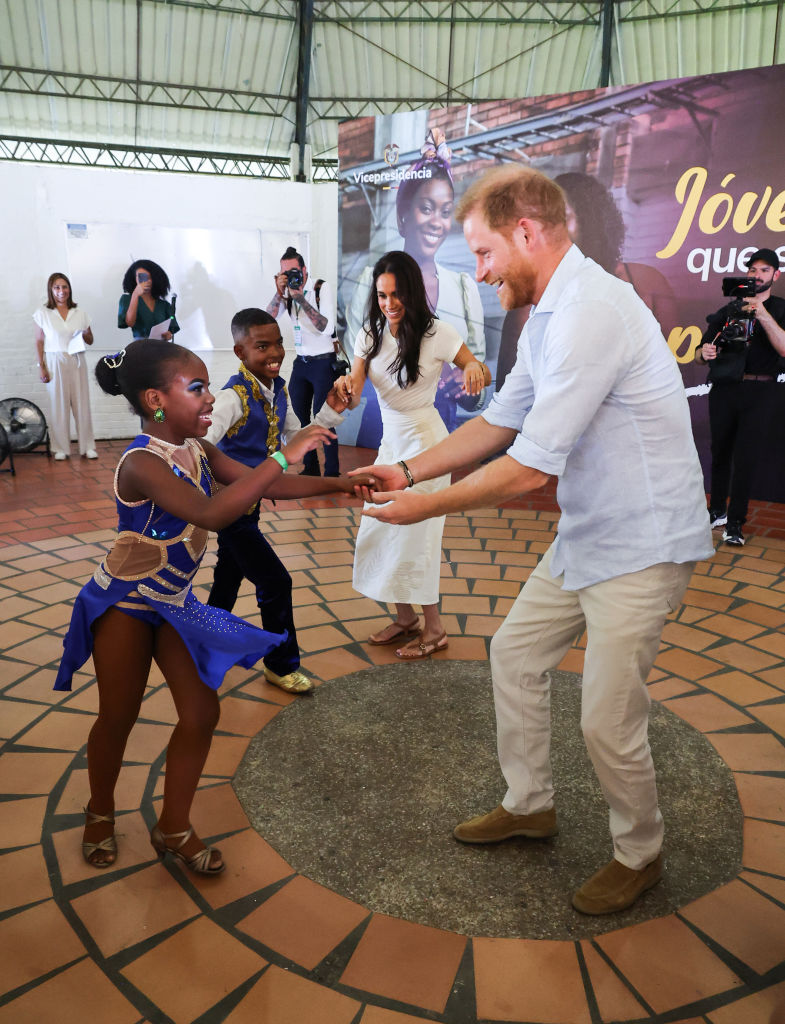
The revelation of her Nigerian heritage culminated in a high-profile visit to the West African nation in May 2024. Alongside Prince Harry, Meghan traveled to Nigeria at the invitation of the country’s Chief of Defence Staff. The tour was billed as a celebration of her heritage and an opportunity to connect with the culture firsthand.
During the visit, Meghan spoke movingly about what the experience meant to her and her family:
- She expressed gratitude for being welcomed with open arms and treated as one of their own.
- She shared that discovering she was of Nigerian descent felt like a homecoming, allowing her to understand more about herself and her lineage.
- Nigerian leaders and citizens embraced the connection, with various communities bestowing traditional titles and honors upon her.
The trip served as a powerful visual representation of diaspora reconnection, highlighting the importance of heritage in shaping a modern identity.
The Broader Impact of Her Heritage
Meghan Markle’s public journey with her ancestry has sparked important global conversations about identity, representation, and genealogy. For many people of mixed race or African descent, seeing a global figure openly explore, celebrate, and embrace her roots validates the complexities of modern identity.
By bringing her African ancestry into the global spotlight, Meghan has demonstrated that heritage is not merely a static line on a family tree, but a living, breathing connection to history, struggle, and resilience. Whether through her candid essays, her podcast, or her travels to Nigeria, Meghan Markle continues to redefine what it means to carry a multifaceted heritage in the public eye.