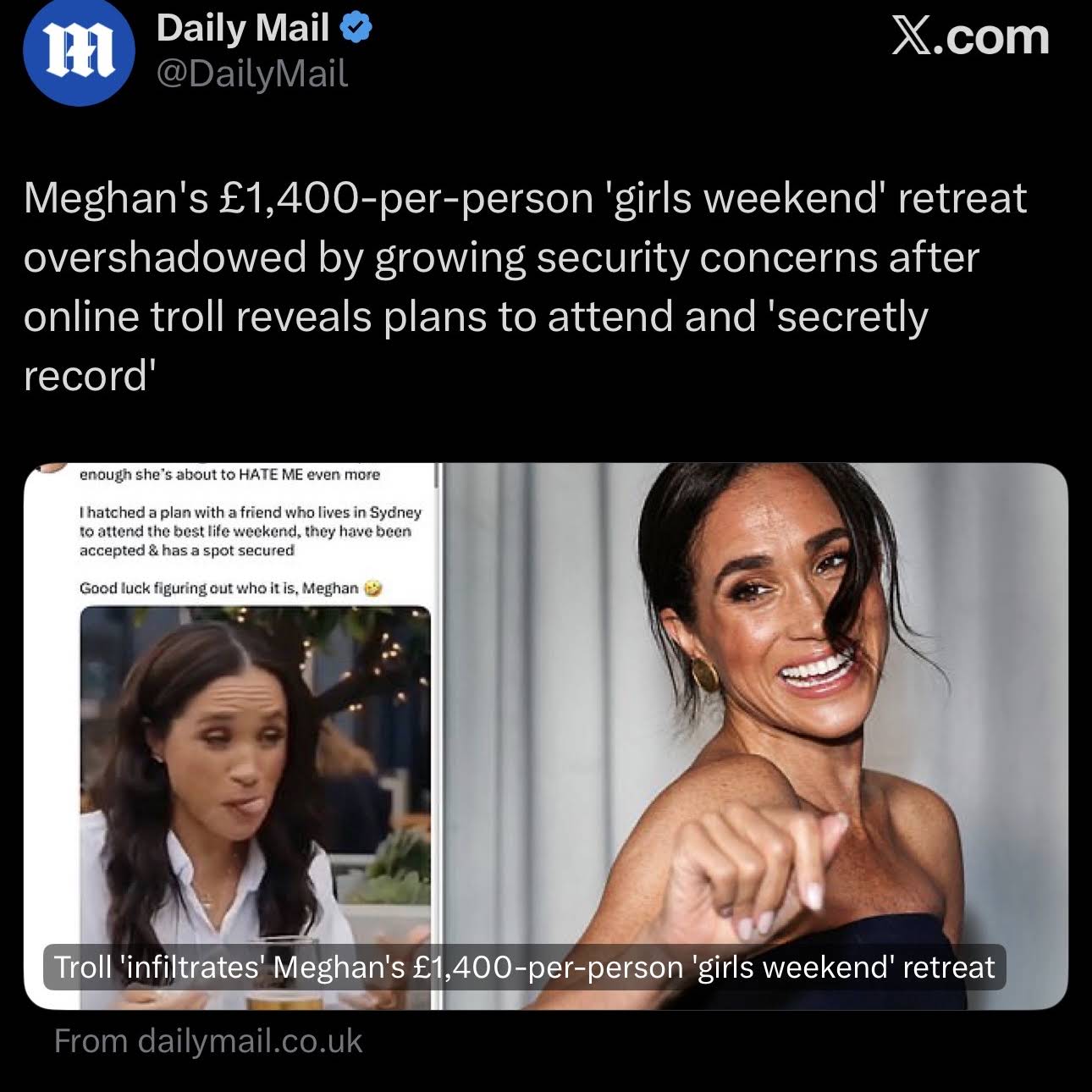
Meghan's Mole on Twitter: The Untold Story
In the vast and often tumultuous landscape of social media, few digital phenomena generate as much polarized debate as online communities dedicated to the British royal family. Among the myriad accounts tracking, analyzing, and often criticizing Meghan Markle and Prince Harry, one profile carved out a distinct and influential space: **Meghan's Mole on Twitter**. While casual observers might write off such profiles as mere gossip hubs, this account became a focal point for a broader digital culture war, raising serious questions about online fandom, algorithmic visibility, and accountability in the digital age.
The Rise of Meghan's Mole on Twitter
To understand the trajectory of **Meghan's Mole on Twitter**, one must examine the broader ecosystem of royal commentary that exploded following the Duke and Duchess of Sussex's step back from senior royal duties in 2020. Amidst a deeply divided public opinion, specialized accounts emerged to dissect every media appearance, press release, and public statement made by the couple.
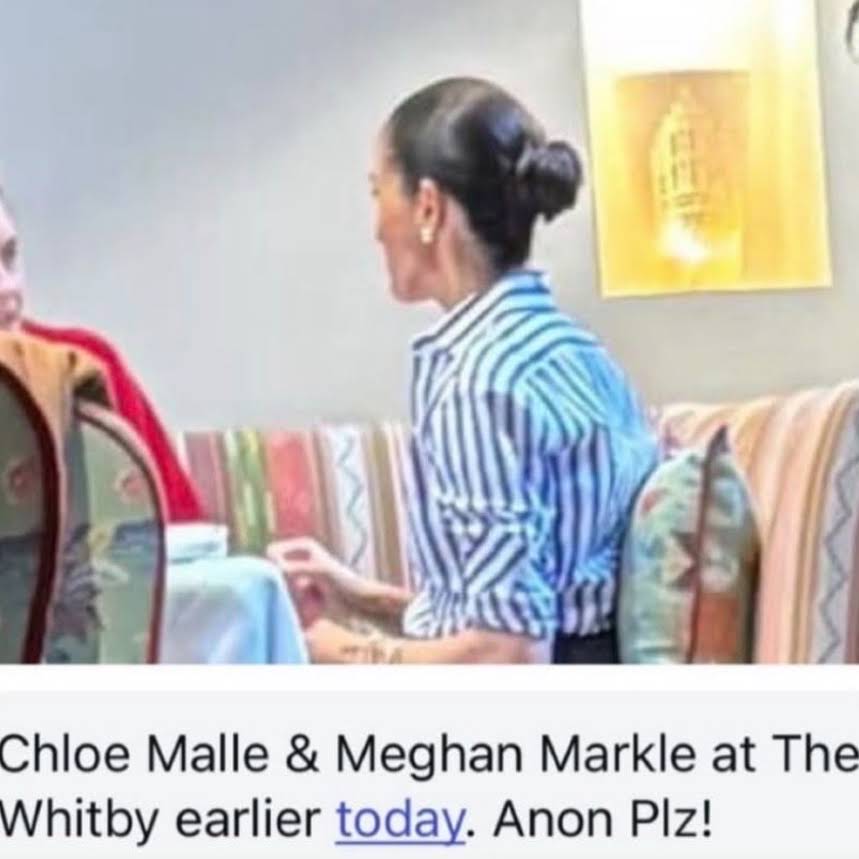
Meghan's Mole positioned itself as a critical voice, ostensibly dedicated to fact-checking, highlighting perceived inconsistencies in the Sussexes' public narratives, and curating commentary from disaffected royal watchers. By consistently posting threads, video breakdowns, and real-time reactions, the account rapidly accumulated a dedicated following. In the world of social media, consistency and controversy are potent currencies, and the account leveraged both to build significant reach.
Content Strategy and Community Building
The success of the account was not accidental. It relied on a sophisticated understanding of platform dynamics, audience psychology, and content curation. Several key elements fueled its growth:
- Rapid Response Culture: The account quickly responded to breaking news, establishing itself as an early source of commentary for users seeking a critical perspective on the Sussexes.
- Visual Evidence: Utilizing screen-grabs, side-by-side video comparisons, and archival footage, the content often attempted to present tangible 'proof' to support its arguments.
- Interactive Engagement: By fostering a tightly knit community in the replies and quote-tweets, the creator cultivated a sense of shared purpose among followers who felt their views were sidelined by mainstream media.
This community aspect transformed a simple commentary feed into a digital movement. Followers adopted shared terminology, coordinated hashtag campaigns, and vigorously defended the account against critics and opposing fandoms.
Controversy, Criticism, and Platform Scrutiny
As the follower count grew, so did the scrutiny. Critics, including supporters of Prince Harry and Meghan Markle, frequently accused the account of harassment, spreading misinformation, and fostering a toxic online environment. The line between legitimate critique of public figures and targeted harassment is a constant battleground for content moderation teams.
Video: Meghan shares rare photos of Lilibet
The Impact of Algorithmic Amplification
Social media algorithms are largely indifferent to the nuance of the content they promote; they respond to engagement. Controversial posts, heated debates, and polarized opinions generate high volumes of replies and retweets, driving accounts like Meghan's Mole into the feeds of users who did not follow them. This systemic amplification frequently led to digital clashes, drawing mainstream media attention to the dark side of online royal fandoms.
Researchers studying online harassment and disinformation campaigns often point to such accounts as case studies in how decentralized networks can mobilize collective sentiment—for better or worse—against specific individuals in the public eye.
The Broader Cultural Context of Royal Commentary
The phenomenon surrounding Meghan's Mole on Twitter reflects a profound shift in how the public consumes and interacts with celebrity and monarchy. Traditional royal journalism, historically managed through vetted correspondents and official briefings, has been upended by democratized digital platforms.
Today, anyone with a smartphone can broadcast opinions to a global audience, bypassing traditional editorial gates. While this democratization allows for diverse viewpoints, it also creates an unchecked environment where speculation can easily masquerade as fact. The appetite for real-time drama ensures that accounts focusing on high-profile figures will continue to command immense attention.
Conclusion: The Legacy of Digital Watcher Culture
The story of Meghan's Mole on Twitter is ultimately a reflection of modern internet culture. It highlights the power of niche digital communities, the challenges of platform governance, and the intense psychological investment that global audiences place in public figures. Whether viewed as a necessary voice of accountability or an engine of online toxicity, the account underscores how social media has fundamentally rewritten the rules of public engagement and celebrity culture.