Meme Therapy: How Friendship Humor Heals Emotional Wounds
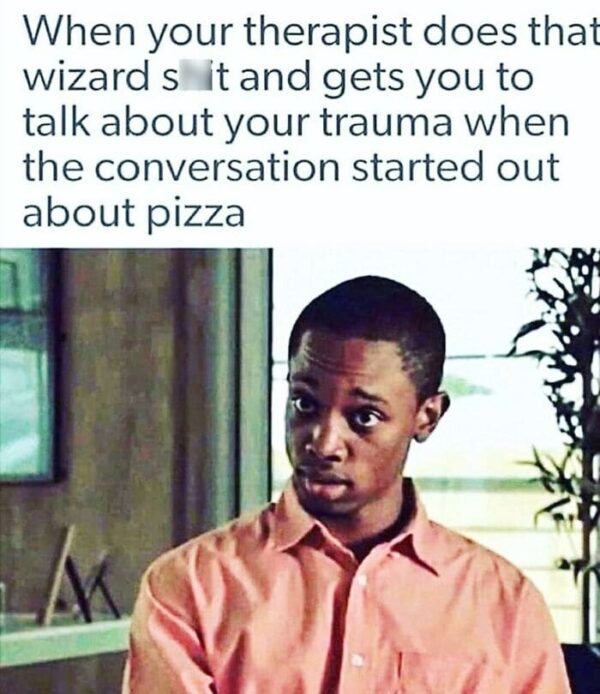
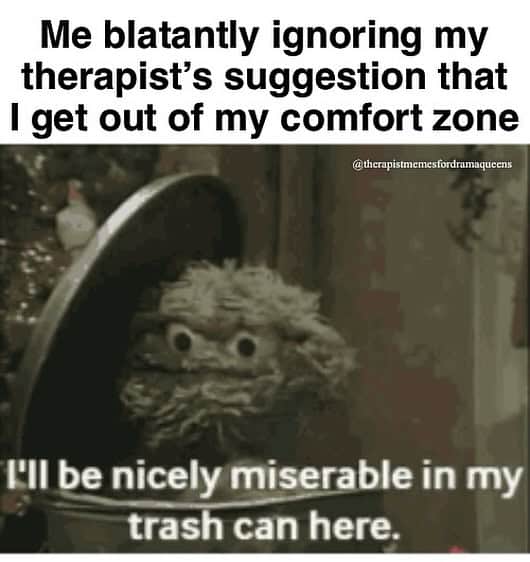
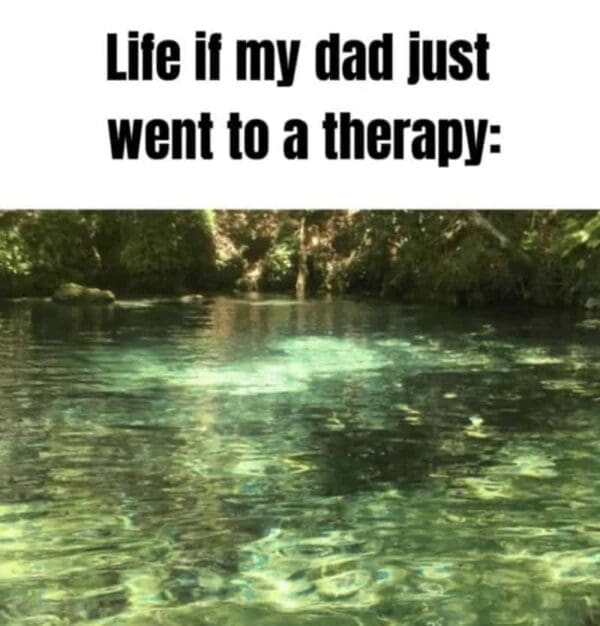
We have all been there: lying awake at 2 AM, overwhelmed by anxiety, when a notification lights up your phone screen. It is a DM from your best friend—not a heavy check-in, but a hyper-specific, absurd meme that captures your exact existential dread. You let out a sudden laugh, the knot in your stomach loosens just a fraction, and for a moment, you feel seen. This modern ritual is more than just digital entertainment; it is a powerful form of meme therapy that leverages friendship humor to heal emotional wounds.

While traditional therapy happens in a clinical office on a weekly schedule, relational healing often happens in the micro-moments of daily life. Shared humor between friends creates an informal psychological safety net. By examining the mechanics behind why we share funny content during difficult times, we can better understand how friendship humor acts as a legitimate tool for emotional recovery.
The Psychology of Shared Humor in Relationships
Humor has long been recognized as a psychological defense mechanism, but when shared within a strong friendship, it evolves into an adaptive coping strategy. Psychologists refer to this as affiliative humor—using jokes to bring people together, alleviate tension, and reduce interpersonal distance.
Why Memes Resonate During Hard Times
Unlike a standard text message that requires formulation and emotional labor, a meme does the heavy lifting for you. It translates complex, messy internal states into a universally understood visual format. When a friend sends you a meme about burnout, heartbreak, or grief, they are communicating on multiple levels:
- Validation: They are saying, "I see your pain, and you are not crazy for feeling this way."
- Distraction: It offers a brief mental holiday from rumination without demanding toxic positivity.
- Solidarity: It reminds you that suffering is part of the human condition, making you feel less isolated.
This dynamic transforms passive scrolling into an active act of co-regulation, where two nervous systems soothe each other through shared cultural artifacts.
How Meme Therapy Heals Emotional Wounds
Emotional wounds—whether from acute stress, chronic anxiety, or relational trauma—often leave people feeling alienated. Traditional processing can feel exhausting. Meme therapy bypasses heavy intellectualization and speaks directly to the emotional brain.
1. Lowering Defenses Through Absurdity
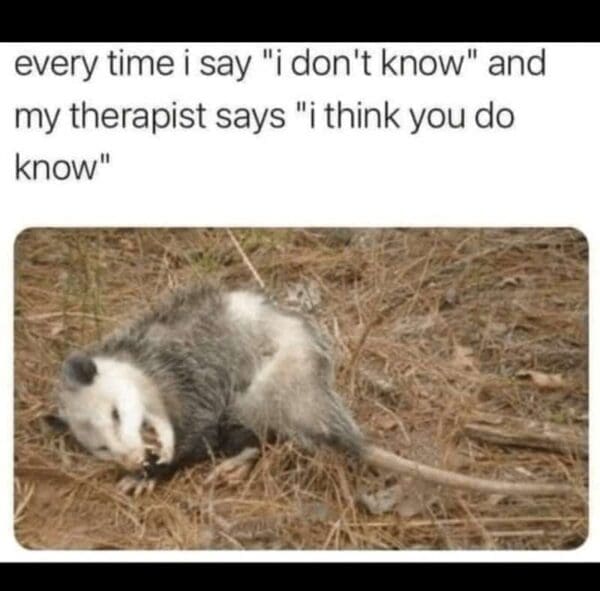
When someone is hurting, direct inquiries like "How are you really feeling?" can trigger defensiveness or exhaustion. People often mask their pain to avoid being a burden. Humor lowers these defensive barriers. Laughing at a ridiculous internet joke releases endorphins and reduces cortisol levels, putting the body into a physiological state more receptive to healing and connection.
2. Reclaiming Narrative Control
Trauma and emotional distress often strip individuals of their agency, making them feel like passive victims of their circumstances. Creating, finding, and sharing memes allows people to poke fun at their struggles. This act of playful exaggeration turns a terrifying or painful situation into something manageable. You are no longer just a person suffering from anxiety; you are the director of a joke about your own anxiety.
3. Strengthening the Friendship Bond
The content of the meme matters less than the act of sending it. Every shared post is a micro-ping that says, "I was thinking about you." Over time, a library of shared jokes builds a unique relational language. This deepens intimacy and creates a reservoir of positive memories that buffer against future emotional storms.
Practical Ways to Practice Connection Through Humor
You do not need a psychology degree to use humor as a healing tool in your friendships. Here are a few intentional ways to lean into this dynamic:
- Create a dedicated joke channel: Set up a chat thread specifically reserved for the funniest, weirdest content you find, ensuring a low-pressure space for levity.
- Match their emotional frequency: If a friend is grieving, avoid toxic positivity memes. Instead, send content that acknowledges the absurdity of life without invalidating their pain.
- Laugh at shared struggles: Bond over mutual life stressors—like difficult jobs, dating mishaps, or family pressures—to normalize imperfection.
Ultimately, meme therapy reminds us that we do not have to heal in silence or solemnity. By laughing together through the messiness of life, friends transform isolation into community, proving that sometimes the best medicine is a well-timed, highly relatable screenshot.