Menendez Brothers' Hidden Wealth: Fact vs. Myth
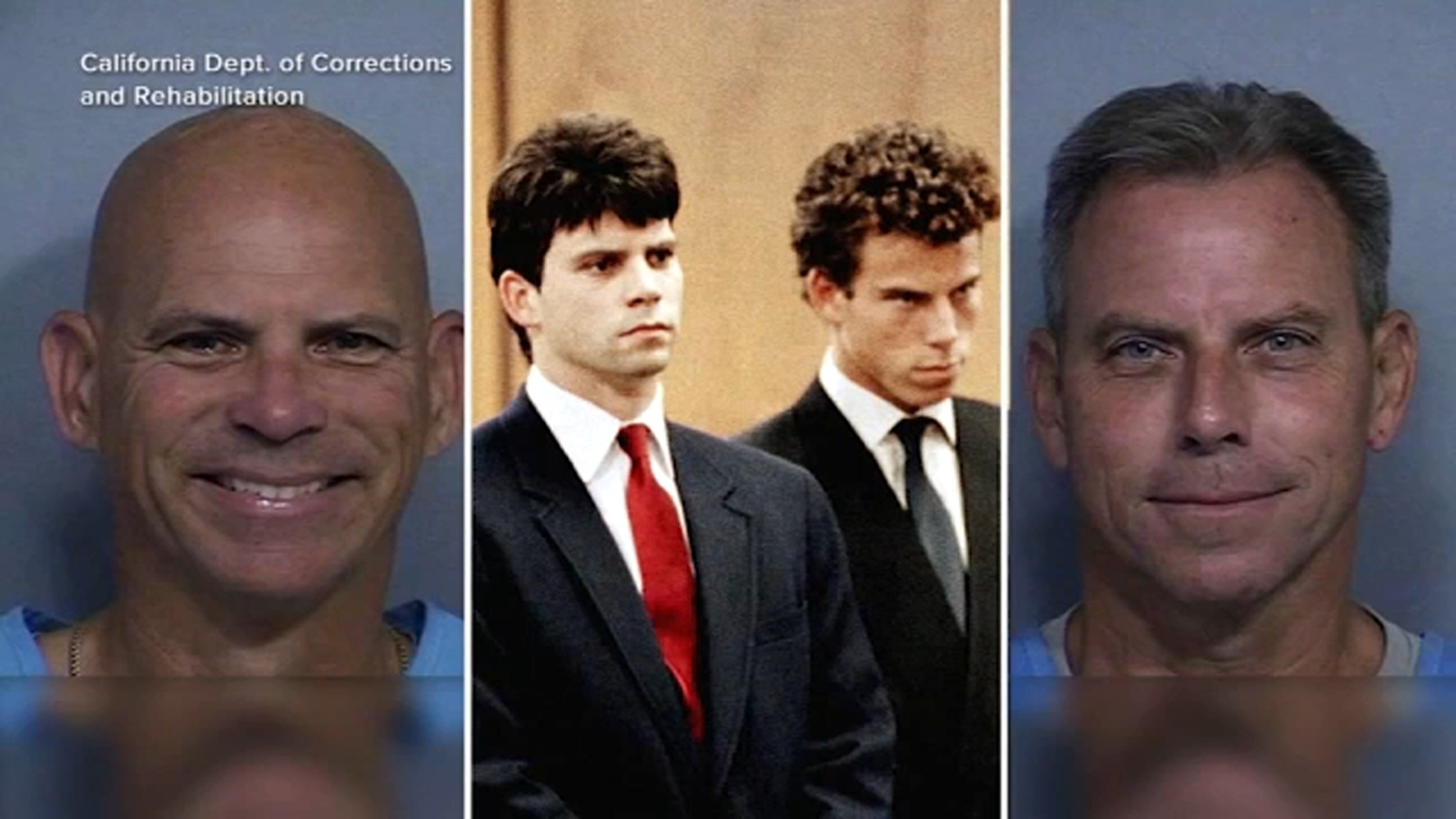
Decades after their high-profile 1996 conviction for the murders of their parents, Jose and Kitty Menendez, Lyle and Erik Menendez remain subjects of intense public fascination. Fueled by explosive new documentaries, dramatizations, and ongoing legal appeals, interest in the case has never been higher. Along with renewed scrutiny of the trial comes a persistent narrative regarding the Menendez brother’s hidden wealth: a closer look at their billion-dollar holdings.

For years, internet forums, true-crime podcasts, and tabloid reports have suggested that the brothers are sitting on an unrecovered fortune, waiting for them behind offshore accounts, hidden real estate, or complex trusts. But how much truth is there to these rumors? To separate fact from sensationalized fiction, we need to examine the actual estate of Jose Menendez, what happened to the family assets, and the financial reality the brothers face today.
The Real Estate Empire of Jose Menendez
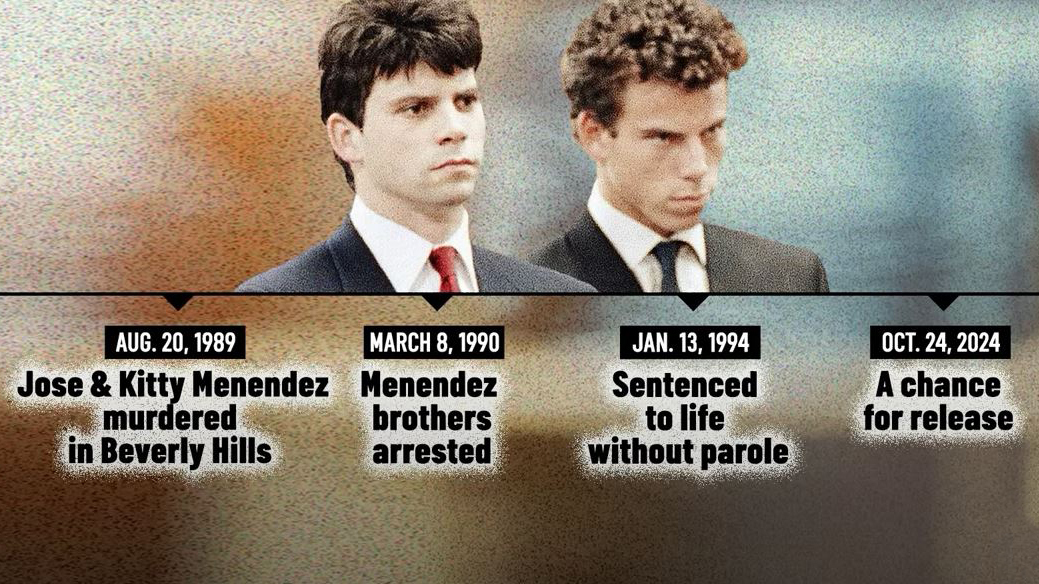
To understand the rumors surrounding the family's money, it helps to look at how Jose Menendez built his wealth. An immigrant from Cuba, Jose achieved the American Dream through sheer corporate ambition. At the time of his death in August 1989, he was a high-ranking executive, serving as the CEO of Live Entertainment (formerly Carolco Pictures), a major home video and music distribution company.
Jose’s executive salary, stock options, and bonuses allowed the family to live an extremely affluent lifestyle. Their primary asset was a sprawling, Mediterranean-style mansion located on Elm Drive in Beverly Hills. Purchased for millions, the estate served as the backdrop for the family's outward success and, tragically, the crime scene.
Assets Liquidated to Pay Legal Fees
Following the murders and the subsequent arrests of Lyle and Erik, the Menendez estate did not sit untouched for the brothers to inherit. In fact, the legal defense required an astronomical amount of capital. Defending two defendants in high-profile capital murder trials—which included two separate hung juries and a retrial—drained the family coffers entirely.
- The Beverly Hills Mansion: The Elm Drive property was put on the market and eventually sold in 1991 for roughly $3.6 million, significantly less than its peak market valuation due to the gruesome notoriety attached to the address.
- Legal Fees and Defense Costs: Retaining high-profile defense attorneys like Leslie Abramson and Gerald Chaleff cost millions. Expert witnesses, investigators, and court filings added to the massive financial burden.
- Taxes and Creditor Claims: Before any remaining funds could be distributed or allegedly hidden, federal and state tax authorities, along with various creditors, laid claims to the estate.
Examining the Billion-Dollar Holdings Myth
The rumor that Lyle and Erik possess a secret fortune stems largely from a misunderstanding of Jose Menendez's corporate net worth and the sheer scale of Carolco Pictures during its late-1980s peak. While Jose was undeniably wealthy, earning hundreds of thousands of dollars a year plus lucrative stock packages, his net worth was nowhere near the billion-dollar mark.
Video: The Menendez Brothers: Where Are They Now?

In the late 1980s, a million dollars went a long way, but a true billionaire status was exceedingly rare and belonged to industrial titans, not mid-to-high-level corporate executives. When forensic accountants and probate attorneys evaluated the estate in the early 1990s, they found a heavily mortgaged lifestyle. Much of the family's cash flow funded their high-end expenses—expensive cars, watches, and private schools—rather than accumulating in passive, off-the-books investment vehicles.
Are There Offshore Accounts?
Conspiracy theorists frequently allege that Jose Menendez stashed money in offshore accounts in the Caribbean or Europe to evade taxes or protect his wealth. However, law enforcement agencies, the IRS, and independent investigative journalists have found no credible paper trail supporting this claim. If such accounts existed, the state of California and the victims' extended family members—who filed civil claims—would have aggressively pursued them decades ago.
Current Financial Reality for Lyle and Erik
Today, both Lyle and Erik Menendez are serving life sentences without the possibility of parole in California state prisons, though ongoing legal battles and petitions for clemency or resentencing continue to make headlines. Their financial reality is starkly different from the myths of hidden luxury.
They have no access to trust funds, hidden portfolios, or corporate windfalls. Inmates in the California Department of Corrections and Rehabilitation rely on modest prison wages—typically earned through institutional jobs paying pennies an hour—or financial support from family members and outside supporters to purchase basic commissary items.
Conclusion
The enduring myth of the Menendez brother’s hidden wealth says more about our cultural obsession with true crime, luxury, and conspiracy than it does about reality. While Jose Menendez was a wealthy and successful corporate executive, his estate was systematically dismantled to pay for the monumental legal defense costs of his sons. Far from sitting on a billion-dollar empire, Lyle and Erik Menendez have spent over three decades behind bars with virtually no personal financial assets, leaving the billion-dollar holding rumors firmly in the realm of fiction.