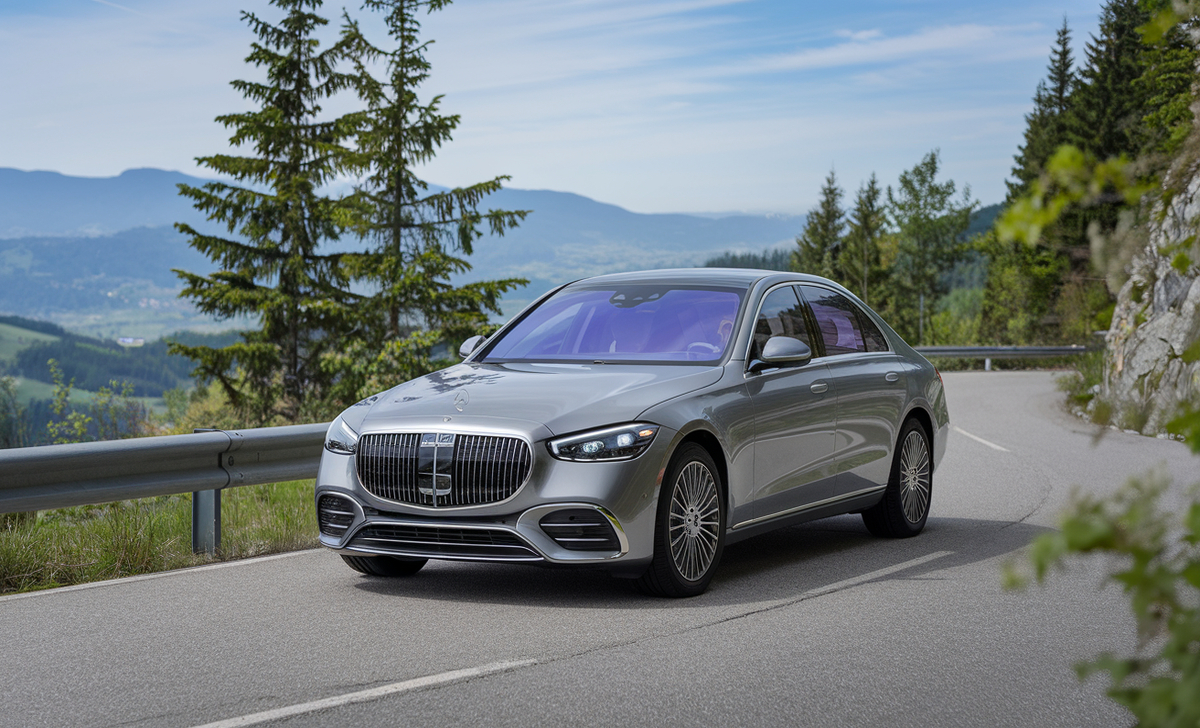
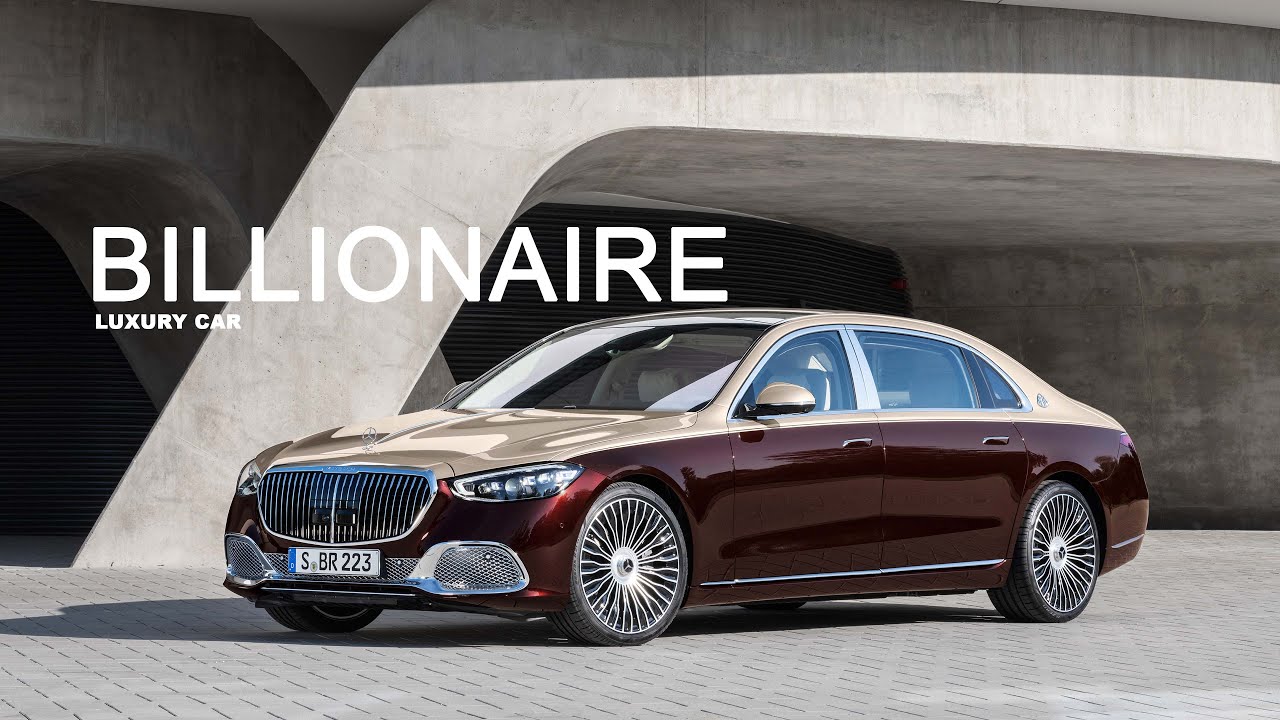
Mercedes-Benz’s Hidden Billionaire Bagger Revealed
Introduction to Automotive Wealth

When most people think of Mercedes-Benz, they picture sleek S-Class sedans, roaring AMG sports cars, and the pinnacle of German engineering. Yet, beneath the polished chrome and leather interiors lies a masterclass in global finance. To truly understand how this luxury giant dominates the market, we must go beyond the showroom floor and look at the capital driving its success, effectively uncovering Mercedes-Benz’s hidden billionaire bagger—the immense, often overlooked financial engine that lines the pockets of its primary stakeholders.
Building elite automobiles is only half the battle. The real magic happens in the realm of asset management, strategic investments, and high-margin luxury positioning. In this deep dive, we break down how the money flows, who holds the wealth, and why the Mercedes-Benz business model remains an impenetrable fortress of profitability.
The Anatomy of Mercedes-Benz Profitability
For decades, legacy automakers chased volume. They built millions of economy cars, operating on razor-thin margins. Mercedes-Benz fundamentally shifted this strategy under recent leadership, pivoting away from mass-market volume toward high-margin ultra-luxury vehicles. This shift turned the company into a cash-generating machine.
Low Volume, High Margin Strategy
By focusing on top-tier segments—such as the Maybach, G-Wagon, and high-end AMG lines—Mercedes-Benz managed to increase its average selling price significantly. Even during supply chain disruptions and global inflation, wealthy consumers continued to purchase bespoke luxury vehicles. This pricing power protects the company's bottom line and funnels massive liquidity into corporate reserves.
The Power of Financial Services
Another major component of the brand's financial might is Mercedes-Benz Mobility. Providing leases, insurance, and fleet management generates a steady, recurring stream of income that buffers the company against the cyclical nature of car manufacturing. Financing the cars people drive is often more lucrative than building them.
Who Controls the Capital? Major Stakeholders and Billionaires
Publicly traded companies are owned by shareholders, but specific institutional investors and high-net-worth individuals hold massive influence over Mercedes-Benz Group AG. The ownership structure reveals a fascinating network of global wealth.

- Institutional Heavyweights: Institutional asset managers like BlackRock and Vanguard hold substantial blocks of shares, anchoring the stock's stability.
- Geopolitical Stakes: Sovereign wealth funds, particularly from the Middle East and Asia, have historically maintained significant financial exposure to the brand, recognizing its long-term value.
- Private Billionaire Investors: Prominent automotive investors frequently take large positions when market dips occur, treating Mercedes stock as a premier store of value.
Uncovering Mercedes-Benz’s Hidden Billionaire Bagger
When analysts speak of a "billionaire bagger," they refer to an asset or strategy that consistently multiplies wealth for its backers. For Mercedes-Benz, this bagger is not a single stock pick, but rather its aggressive transition into electric vehicle (EV) technology coupled with carbon credit monetization and software-as-a-service (SaaS) features.
Software and Subscriptions
Modern luxury buyers are willing to pay for digital upgrades. Whether it is unlocking rear-axle steering via an over-the-air software update or paying for advanced driver-assistance systems on a subscription basis, Mercedes-Benz has found a way to monetize vehicles long after they leave the dealership lot. This creates a high-margin revenue stream that mimics tech companies rather than traditional manufacturers.
Exclusive Collector Ecosystems
Programs like the "Mythos Series" target ultra-high-net-worth individuals by offering extremely limited-run cars available only to the brand's most loyal and wealthy collectors. These vehicles command million-dollar price tags with production costs heavily offset by existing platform sharing, yielding staggering profit margins that directly enrich the corporate coffers and reward major investors.
Challenges on the Road to Continued Wealth
Despite its incredible financial health, maintaining billionaire-level profitability is not without hurdles. The automotive landscape is shifting rapidly, and Mercedes-Benz must navigate several critical obstacles to protect its financial standing.
- EV Transition Costs: Ramping up battery production and developing proprietary software platforms requires billions in upfront capital expenditure.
- Global Supply Chain Vulnerabilities: Geopolitical tensions and rare earth mineral shortages can disrupt production timelines.
- Regulatory Pressures: Stricter emission standards across Europe, the US, and China demand continuous innovation to avoid heavy fines.
Conclusion: The Future of the Three-Pointed Star
Mercedes-Benz has successfully transitioned from a traditional car manufacturer into a luxury goods conglomerate that happens to make automobiles. By prioritizing margin over volume, leaning into digital services, and catering exclusively to the world's wealthiest clientele, the brand continues to secure its financial dominance. For investors and enthusiasts alike, understanding the money behind the brand proves that the true power of Mercedes-Benz lies just as much in its balance sheet as it does under the hood.