Metamucil vs Citrucel: Which Fiber Is Better?
When chronic irregularity or sluggish digestion strikes, choosing the right supplement can quickly become confusing. In the debate between metamucil vs citrucel, both brands are household names trusted by physicians, yet they rely on fundamentally different active ingredients that behave differently inside your digestive tract. Understanding how each interacts with your gut microbiome is essential to finding relief without unwelcome side effects like cramps or gas.

Quick Summary: Key Differences at a Glance
Before diving into the biological details, here is how the two top fiber supplements compare across fundamental criteria:
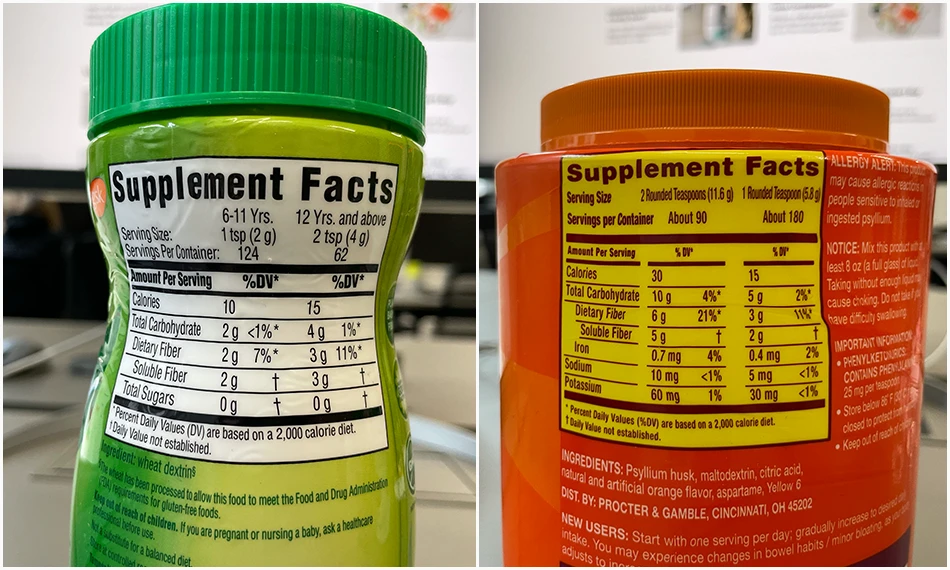
- Active Ingredient: Metamucil uses psyllium husk (a natural soluble fiber). Citrucel uses methylcellulose (a semi-synthetic soluble fiber derived from plant cellulose).
- Gas and Bloating Risk: Metamucil ferments in the large intestine, which frequently causes gas. Citrucel is non-fermentable, meaning it rarely produces gas.
- Cholesterol Benefits: Metamucil is clinically proven to help lower LDL cholesterol. Citrucel does not carry an FDA-approved claim for heart health.
- Texture: Metamucil thickens quickly into a gel-like consistency. Citrucel remains thinner and less gritty in liquid.
What Is Metamucil?
Metamucil is an over-the-counter fiber supplement formulated with psyllium husk, a natural soluble fiber harvested from the seeds of the Plantago ovata plant. Psyllium has been utilized for decades as both a bulk-forming laxative and a cardiovascular health aid.
How Metamucil Works
When psyllium enters the digestive tract, it absorbs water and expands, creating a thick, gelatinous substance. This gel sweeps through the intestines, softening stool by pulling in moisture while providing bulk to stimulate natural peristalsis (bowel contractions). Because it normalizes consistency, psyllium is uniquely versatile: it relieves constipation by softening hard stools, and it can also help firm up loose, watery stools.
Key Advantages of Metamucil
- Heart Health Support: Psyllium binds to bile acids in the intestine, prompting the liver to pull cholesterol from the bloodstream to produce more bile. Daily use can lead to modest reductions in LDL ("bad") cholesterol.
- Blood Sugar Regulation: The thick gel matrix slows the absorption of carbohydrates, blunting post-meal spikes in blood glucose.
- Promotes Satiety: Because it expands significantly in the stomach, Metamucil can increase feelings of fullness, aiding weight management efforts.
- Multiple Product Formats: Metamucil is widely available as powders (both sugar-free and regular), capsules, chewable wafers, and gummies.
Downsides of Metamucil
The primary drawback of psyllium is fermentation. The beneficial bacteria residing in your colon feed on psyllium, breaking it down in a process that generates intestinal gas. For individuals with sensitive digestive systems, this often leads to noticeable abdominal bloating, cramping, and flatulence, particularly during the first few weeks of use.
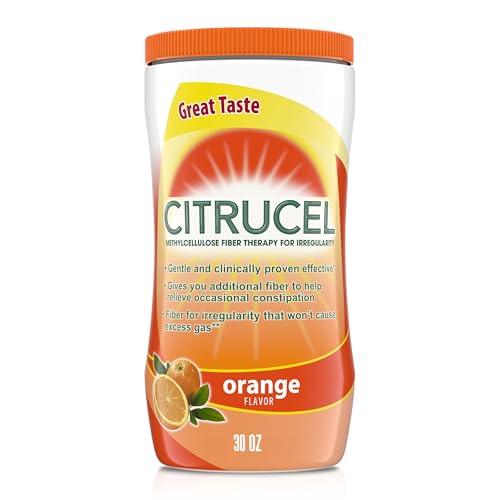
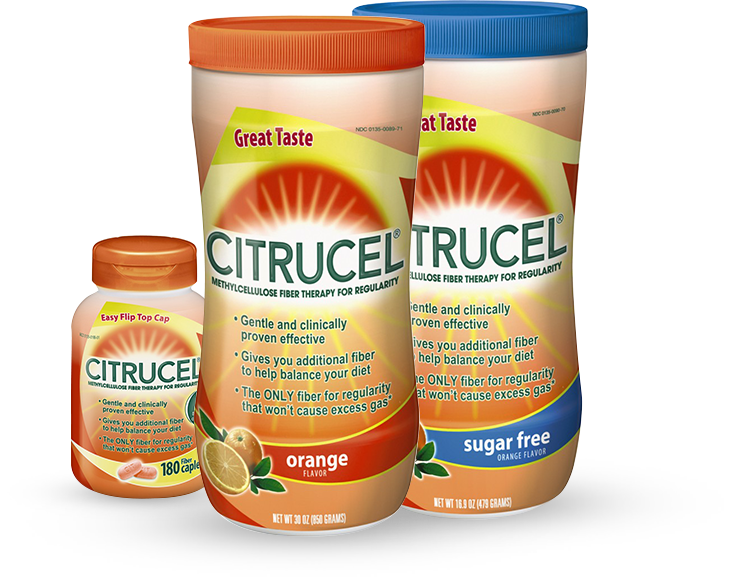
What Is Citrucel?
Citrucel relies on methylcellulose, a plant-derived, chemically modified fiber made from natural wood pulp or cotton cellulose. It was specifically engineered to solve the most common complaint associated with traditional bulk-forming laxatives: excess gas.
How Citrucel Works
Like psyllium, methylcellulose is a soluble, bulk-forming fiber that absorbs fluid in the bowel to create softer, bulkier stools that pass effortlessly. However, methylcellulose has a unique chemical structure that gut bacteria cannot break down. Because it passes through the colon entirely unfermented, it does not generate gas as a metabolic byproduct.
Key Advantages of Citrucel
- No Fermentation or Gas: Citrucel is widely considered the gentlest bulk-forming fiber for individuals prone to excess flatulence, bloating, or abdominal pressure.
- Ideal for Sensitive Bowels: Gastroenterologists frequently recommend Citrucel for patients with Irritable Bowel Syndrome (IBS) who cannot tolerate fermentable fibers.
- Smoother Drinkability: When mixed with water, Citrucel does not gel or seize as rapidly as psyllium, making it easier to drink without choking or dealing with a thick, gritty texture.
- Predictable Results: By drawing water into the stool without altering gut gas production, it delivers dependable stool-softening properties.
Downsides of Citrucel
Video: Metamucil OR MiraLAX? Which one is better? Which should I use? | Dr. Chung answers YOUR questions!
Because methylcellulose is not metabolized and does not bind to bile acids the way psyllium does, Citrucel offers no cardiovascular benefits. It will not help lower your cholesterol or stabilize your blood sugar levels. Additionally, Citrucel generally costs slightly more per dose and comes in fewer product varieties than Metamucil.
Metamucil vs Citrucel: Detailed Head-to-Head Comparison
1. Gas, Bloating, and Digestive Comfort
If your stomach is prone to distension and cramps, Citrucel is the clear winner. Psyllium acts as a prebiotic, which feeds intestinal bacteria; while this can support microbiome diversity, the resulting fermentation produces hydrogen and methane gases. Methylcellulose in Citrucel does not ferment, making it virtually gas-free.
2. Systemic Health Benefits
If your goal extends beyond the bathroom, Metamucil is the superior choice. The soluble fiber in Metamucil has received an FDA-approved health claim regarding the reduction of coronary heart disease risk when combined with a low-saturated-fat diet. Citrucel functions strictly as a stool normalizer with no verified systemic metabolic benefits.
3. Texture, Taste, and Ease of Use
Powdered Metamucil must be consumed immediately after stirring; if left standing for even a few minutes, it turns into an unpalatable, thick paste. Citrucel (often sold in orange flavor) dissolves with less grittiness and remains liquid longer, providing a more pleasant drinking experience for sensitive palates.
4. Formulations and Convenience
Metamucil provides unmatched variety. If you dislike powders, you can take psyllium capsules or eat pre-packaged fiber wafers. Citrucel is primarily sold as an orange-flavored powder or in caplet form, though its caplets require swallowing several large pills per serving to match a standard powder dose.
Which Fiber Supplement Should You Choose?
Selecting between these two products comes down to your primary health objectives and your gastrointestinal sensitivity.
Choose Metamucil if:
- You want to lower your LDL cholesterol alongside improving bowel regularity.
- You want help managing blood sugar spikes or feeling fuller between meals.
- You prefer natural, plant-seed ingredients over synthetic modifications.
- Your digestive system is resilient and rarely reacts with severe bloating.
Choose Citrucel if:
- You have Irritable Bowel Syndrome (IBS-C or IBS-M) or follow a low-FODMAP diet.
- You have tried psyllium in the past and abandoned it due to painful gas or flatulence.
- You gag on thick, gritty drinks and need a supplement that stays smooth.
- Your sole goal is soft, predictable, and comfortable bowel movements.
How to Take Fiber Supplements Safely
Regardless of whether you choose Metamucil or Citrucel, implementing safe habits ensures the best results while avoiding complications:
- Start Low and Increase Slowly: Begin with one dose daily. Give your intestines several days to adapt before gradually increasing to two or three daily servings if necessary.
- Drink Plentiful Water: Bulk-forming fibers require ample hydration to work. Always consume your supplement with at least 8 ounces of water, and maintain steady fluid intake throughout the day. Taking bulk fiber without sufficient water can worsen constipation and, in rare cases, cause intestinal blockages.
- Separate From Medications: Soluble fibers can trap oral medications, reducing their absorption. Take prescription drugs at least 2 hours before or 2 hours after your fiber supplement.
- Consult Your Doctor: If your constipation is sudden, accompanied by severe pain, vomiting, or rectal bleeding, or fails to improve after seven days of supplement use, seek professional medical guidance.
Final Thoughts
Neither supplement is universally "better"—each simply serves a different clinical profile. If you desire multifaceted cardiovascular and metabolic support and have an ironclad gut, Metamucil is a potent, time-tested option. If you are focused strictly on effortless bowel movements without the burden of gas and painful distension, Citrucel remains the gold standard in gentle digestive regularity.