Miami-Dade County Court Docket: 7 Shocking Things
Navigating the legal system in South Florida can feel like stepping into a labyrinth, and nowhere is that truer than when you attempt to look up public litigation. Whether you are conducting a background check, tracking a civil lawsuit, or following a high-profile local case, understanding the ins and outs of the Miami-Dade County Court Docket is essential. However, the system is vast, complex, and full of surprises that catch everyday citizens and even seasoned professionals off guard.

With millions of residents and an exceptionally busy judicial circuit, Miami-Dade handles an immense volume of filings every single day. Because public transparency laws in Florida are among the strictest in the nation—commonly known as the Sunshine Laws—almost everything is technically open to view. Yet, finding what you need without getting lost in bureaucratic red tape requires knowing how the system actually operates. Here are seven shocking things you need to know about accessing and interpreting these records.
1. The Miami-Dade County Court Docket Is Massive (and Constantly Growing)
One of the first things that shocks newcomers is the sheer scale of the database. The Eleventh Judicial Circuit of Florida, which covers Miami-Dade County, is one of the largest and busiest trial courts in the United States.
Hundreds of thousands of new cases—ranging from minor traffic infractions and municipal ordinance violations to major felony criminal trials and multi-million-dollar commercial civil disputes—are filed here annually. Because of this high volume, the digital infrastructure is under constant strain. Understanding how to filter your searches using precise case numbers or exact party names is the only way to avoid drowning in irrelevant search results.
2. Not All Records Are Instantly Digital
In our modern era of instant gratification, we expect every document to be available with a single tap on a smartphone. However, that is not always the case in local jurisprudence.
- Recent Filings: Brand-new documents filed by attorneys may take anywhere from 24 to 72 hours to be processed, reviewed by court clerks, and uploaded to the public portal.
- Historical Archives: Cases dating back several decades may still exist only on physical paper or microfilm stored in county warehouses. Retrieving these older files often requires submitting a formal request and waiting days—or even weeks—for digitization.
- Sealed Files: Certain records, such as juvenile matters or expunged cases, are entirely stripped from the public digital view.
3. Navigating Multiple Portal Systems Can Be Confusing
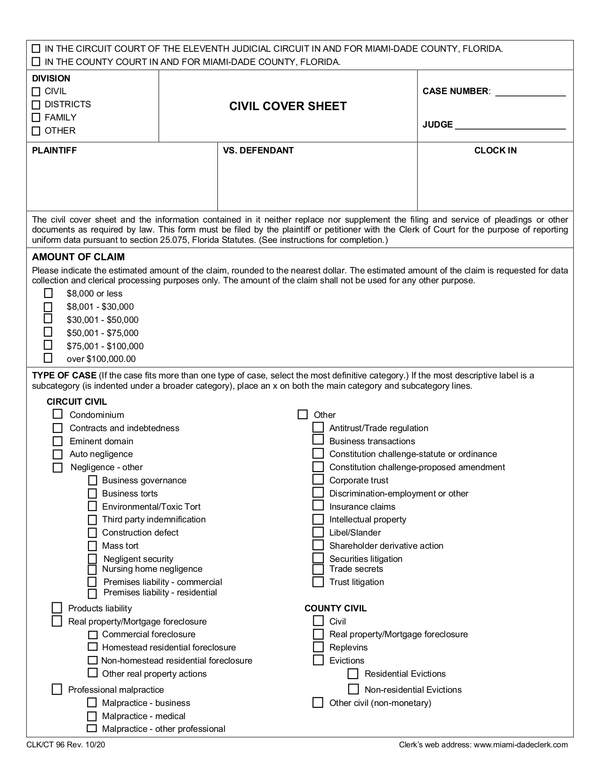
Unlike some smaller counties that consolidate all judicial information onto one simple webpage, Miami-Dade County splits its digital real estate across different divisions. If you are searching for a specific record, you might need to visit separate portals depending on the case type.
Civil, family, traffic, and criminal divisions often utilize distinct database entry points managed by the Miami-Dade Clerk of the Courts. Knowing the exact division you need to target prevents wasted hours searching the wrong database.
4. Confidential Personal Data Is Frequently Redacted
Privacy concerns mean that clerks actively scrub sensitive information from publicly viewable files. If you are expecting to find complete personal profiles on litigants, you will likely encounter heavy redactions.
Under Florida rules of judicial administration, sensitive data such as full Social Security numbers, bank account numbers, and specific medical records are routinely blocked out or restricted. While this protects citizens from identity theft, it can sometimes make verifying the identity of a specific defendant or plaintiff a frustrating challenge.

5. Hidden Fees for Advanced Document Retrieval
While basic docket searches and general case summaries are typically free to view online, obtaining actual copies of court orders, motions, and evidence exhibits can come with a price tag.
Certified copies, voluminous PDF downloads, and specialized archive retrievals often require payment per page or per document. Knowing the fee structure in advance helps you avoid unexpected credit card charges when conducting extensive legal research.
6. The Language Barrier and Multilingual Realities
Reflecting the unique demographics of South Florida, Miami-Dade County operates within a heavily bilingual community. This reality occasionally impacts how legal proceedings and filings are documented.
While official court filings and docket entries are recorded in English as required by law, you will frequently encounter Spanish-language exhibits, translated testimonies, and attorneys operating across both languages. Understanding this bilingual environment is crucial when analyzing the context of local litigation.
7. Real-Time Status Changes Can Catch You Off Guard
A court docket is a living, breathing document. Statuses change by the minute based on judge rulings, emergency motions, and settlement agreements.
If you check a file in the morning, a hearing might show as scheduled, only for it to be canceled or continued by the afternoon. Relying on outdated information can lead to missed deadlines or misunderstood case outcomes. Always check the timestamp of the last docket entry to ensure you are looking at the most current data available.
Tips for a Successful Search
To make your experience searching local court records as smooth as possible, keep these best practices in mind:
- Always have the exact spelling of the party's first and last name.
- Keep the case year handy, as common names will yield hundreds of historical matches.
- Bookmark the official Miami-Dade Clerk of Courts website to avoid phishing scams or third-party data brokers that charge inflated fees for free public records.
By keeping these seven realities in mind, you can approach the system with confidence, save valuable time, and find the exact legal information you need without unnecessary frustration.