Michael Vick’s Earnings: Debt to Fortune
Few stories in professional sports carry the dramatic financial swings of former NFL superstar Michael Vick. At the peak of his early career, he was the most electrifying player in football and the highest-paid athlete in the league. Yet within just a few years, legal disaster and devastating financial decisions reduced his empire to rubble. Examining Michael Vick’s earnings: the shocking journey from debt to fortune! reveals not only how fast generational wealth can vanish, but also how rare discipline can engineer one of the greatest financial turnarounds in sports history.

The Early Boom: A Historic $130 Million Contract
When the Atlanta Falcons selected Michael Vick as the first overall pick in the 2001 NFL Draft, he changed the quarterback position overnight. His rare blend of a cannon arm and 4.33 speed made him an unstoppable force on the field and a marketing sensation off it.
His financial trajectory quickly matched his athletic prowess:
- 2001 Rookie Deal: Signed a six-year contract worth $62 million with a $15 million signing bonus.
- 2004 Extension: Signed a record-breaking 10-year, $130 million contract with $37 million guaranteed, making him the highest-paid player in NFL history at the time.
- Lucrative Endorsements: Earned an estimated $7 million to $10 million annually from global brands including Nike, EA Sports, Powerade, Rawlings, and Air Jordan.
By 2006, Vick was swimming in cash. However, behind the flashy lifestyle lay poor accounting, predatory business managers, risky investments, and lavish spending on a sprawling entourage.
The Fall: Dogfighting Charges and Sudden Bankruptcy
In 2007, Vick’s world imploded. Federal investigators uncovered his operation of Bad Newz Kennels, an illegal interstate dogfighting ring based on his property in Virginia. The fallout was immediate, absolute, and financially catastrophic.
Vick pleaded guilty to federal conspiracy charges and was sentenced to 23 months in federal prison. Almost instantly, his income plummeted to zero:
- Nike, EA Sports, and all major corporate sponsors terminated their endorsement deals.
- NFL Commissioner Roger Goodell suspended Vick indefinitely without pay.
- The Atlanta Falcons sued to recover roughly $20 million in unearned signing bonuses, eventually reaching a settlement that drained millions from his accounts.
In July 2008, while serving his sentence at the federal penitentiary in Leavenworth, Kansas, Vick filed for Chapter 11 bankruptcy. Court filings revealed between $10 million and $50 million in liabilities against heavily encumbered assets. His documented debts totaled roughly $17.6 million, owed to banks, former advisors, credit agencies, and the Falcons.
Michael Vick’s Earnings: The Shocking Journey from Debt to Fortune!
Most athletes who file for bankruptcy choose Chapter 7 liquidation, allowing them to surrender non-exempt assets, wipe the slate clean, and erase their debts without paying creditors back. Vick and his financial attorney chose an uncommon, highly scrutinized path: Chapter 11 reorganization.
Instead of walking away from his financial obligations, Vick promised the bankruptcy court that he would pay back nearly 100 percent of what he owed. He liquidated luxury cars, personal jewelry, boats, and high-end real estate, yet he still owed millions. Rebuilding his net worth required a second chance in the NFL—and unprecedented personal discipline.
Video: Michael Vick: From $130 Million to Prison

The Second Chance in Philadelphia
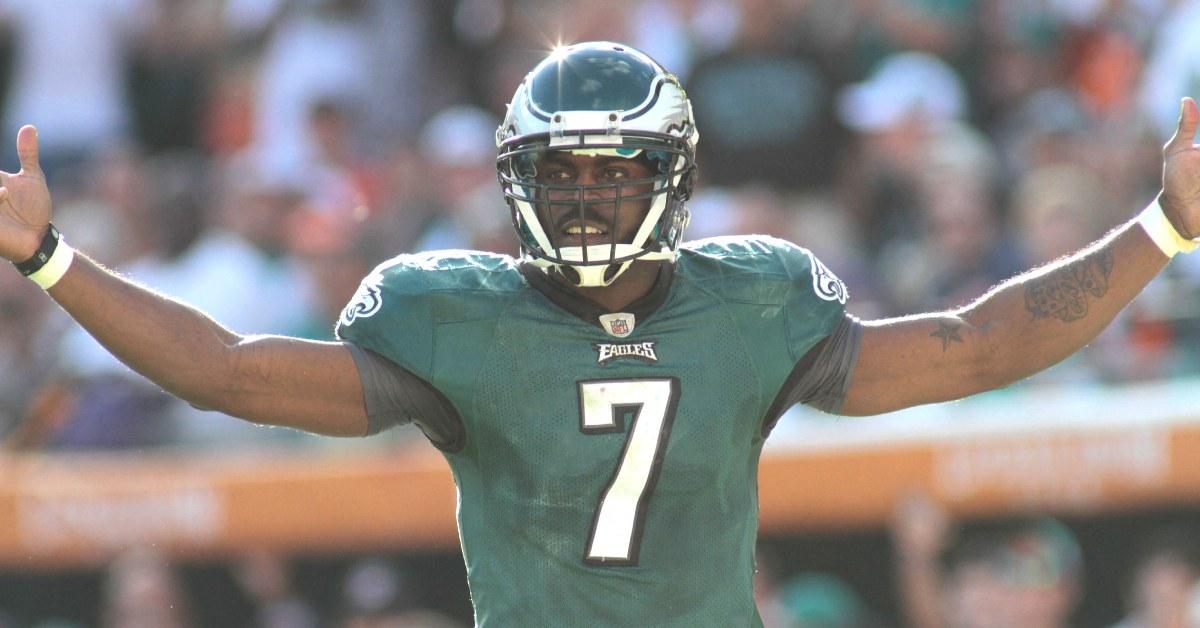
After serving 18 months in prison and completing home confinement, Vick was reinstated by the NFL in 2009. Philadelphia Eagles head coach Andy Reid took a controversial gamble, signing the quarterback to a modest one-year, $1.6 million contract with no guarantees.
Starting as a third-string backup behind Donovan McNabb and Kevin Kolb, Vick worked his way up. When injuries opened the door in 2010, Vick produced an MVP-caliber season. He threw for 3,018 yards, rushed for 676 yards, accounted for 30 total touchdowns, and won NFL Comeback Player of the Year honors.
The $100 Million Validation
Vick’s on-field renaissance triggered a second massive payday. In August 2011, the Eagles signed Vick to a six-year, $100 million contract featuring $40 million in guaranteed money. He became the only player in NFL history to sign two separate $100 million contracts.
Yet unlike his first megadeal, Vick took home very little of this new fortune upfront. Under court supervision, his earnings were methodically distributed:
- The $300,000 Budget: Despite earning over $15 million in cash in 2011, Vick lived on a court-mandated living allowance of roughly $300,000 per year.
- Taxes and Creditor Payments: Roughly 60 percent of his income went directly to creditors, taxes, and court-appointed trustees.
- Full Restitution: By 2017, Vick had repaid approximately $17.4 million of his $17.6 million bankruptcy debt—a repayment rate of over 99 percent, virtually unheard of among celebrity bankruptcies.
Post-Retirement Wealth and Current Net Worth
Vick spent his final playing seasons with the New York Jets and Pittsburgh Steelers before officially retiring in 2017 with career on-field earnings exceeding $115 million. While taxes, fees, and debt repayment consumed a large portion of that total, his clean financial record paved the way for lasting post-career prosperity.
Today, Michael Vick’s net worth is estimated at approximately $16 million to $20 million. His sustained financial stability rests on several key pillars:
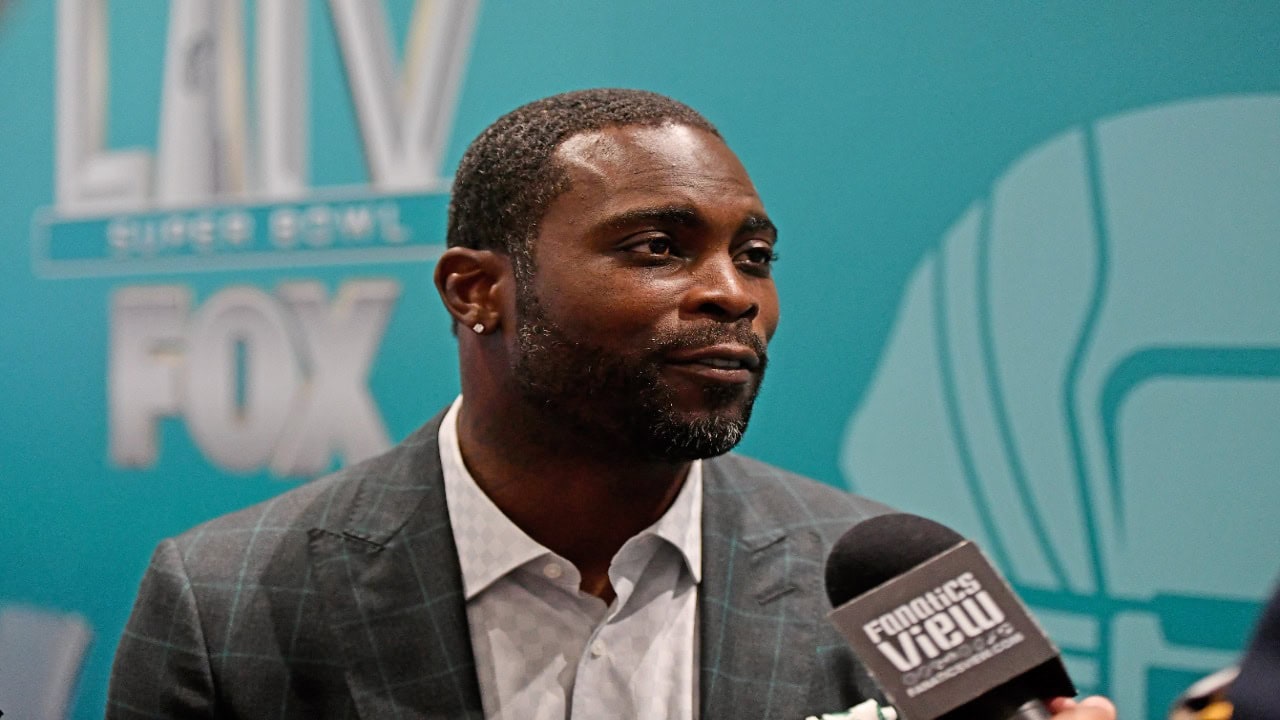
- Broadcasting & Media: Joined Fox Sports in 2017 as an analyst for Fox NFL Kickoff and FS1 studio programs.
- Corporate Endorsements: Re-signed with Nike in 2011—becoming one of the few athletes dropped by the sportswear giant to be brought back—and secured partnerships with sports memorabilia and apparel brands.
- Coaching and Football Ventures: Worked with the Kansas City Chiefs as a coaching intern and served as an offensive coordinator in the Alliance of American Football (AAF).
- Real Estate and Conservative Investments: Shifted his wealth strategy toward low-risk index funds, disciplined cash reserves, and manageable commercial real estate holdings.
Key Takeaways from Vick's Financial Recovery
Vick’s turnaround is frequently studied by sports agencies, financial planners, and rookie symposiums as a blueprint for crisis management. His journey offers critical financial lessons:
- Chapter 11 Integrity: Choosing to repay debts rather than taking a Chapter 7 discharge protected his personal brand and made corporate partners willing to do business with him again.
- Living Below Means During Recovery: Maintaining a modest budget while earning eight-figure salaries enabled him to eliminate debt in under a decade.
- Vetting Inner Circles: Vick cut ties with the entourage and predatory advisors who contributed to his initial insolvency, placing his finances with vetted fiduciaries.
Michael Vick went from the highest-paid player in the world to federal inmate #33765-083 with negative $17 million to his name. By honoring his obligations and seizing his second chance, he turned a cautionary tale of squandered wealth into an enduring case study of financial resilience.