Michigan Food Stamp Calculator: Claim Your Benefits
Navigating government assistance programs can feel overwhelming, especially when trying to figure out what financial support your household qualifies for. In Michigan, the Supplemental Nutrition Assistance Program (SNAP)—known locally as the Food Assistance Program (FAP) or Bridge Card program—helps thousands of families put healthy food on the table. However, strict income limits and complex deduction rules mean many eligible residents miss out simply because they don't apply. Using a reliable State of Michigan food stamp calculator is the best way to demystify the process and ensure you don't leave money on the table.
How Michigan Food Stamps (Bridge Card) Work
The Michigan Department of Health and Human Services (MDHHS) administers the state's food assistance program. Benefits are loaded monthly onto an Electronic Benefit Transfer (EBT) card, commonly called a Bridge Card. You can use this card just like a debit card at most grocery stores, farmers markets, and select online retailers to purchase eligible food items.
Eligibility is not based solely on whether you have a job. Individuals, families, seniors, and people with disabilities can all qualify, provided their household income and assets fall within specific federal and state guidelines. Because rules regarding deductions for housing, utilities, and medical expenses change frequently, estimating your potential benefit amount manually can be difficult. That is where calculation tools become invaluable.
Using the State of Michigan Food Stamp Calculator
While MDHHS determines official eligibility during a formal review, several pre-screening tools and calculators allow you to estimate your potential monthly benefit before you submit an application. These tools take the guesswork out of the application process by running your household numbers through current program formulas.
What Information You Need to Provide
To get an accurate estimate from a food stamp calculator, you will need to gather basic information about your household's financial situation. Having these details ready prevents errors in your calculation:
- Gross Monthly Income: The total earned income of all household members before taxes, plus any unearned income like child support, unemployment benefits, or social security.
- Household Size: The number of people who live together and purchase and prepare food together.
- Housing Costs: Your monthly rent or mortgage payment.
- Utility Expenses: Out-of-pocket costs for heating, cooling, electricity, water, and trash removal.
- Medical Expenses: Out-of-pocket medical costs for any household member who is elderly (age 60 or older) or has a certified disability.
- Dependent Care Costs: Money spent on childcare or the care of a disabled adult so that a household member can work, look for work, or attend school.
Gross Income vs. Net Income Limits
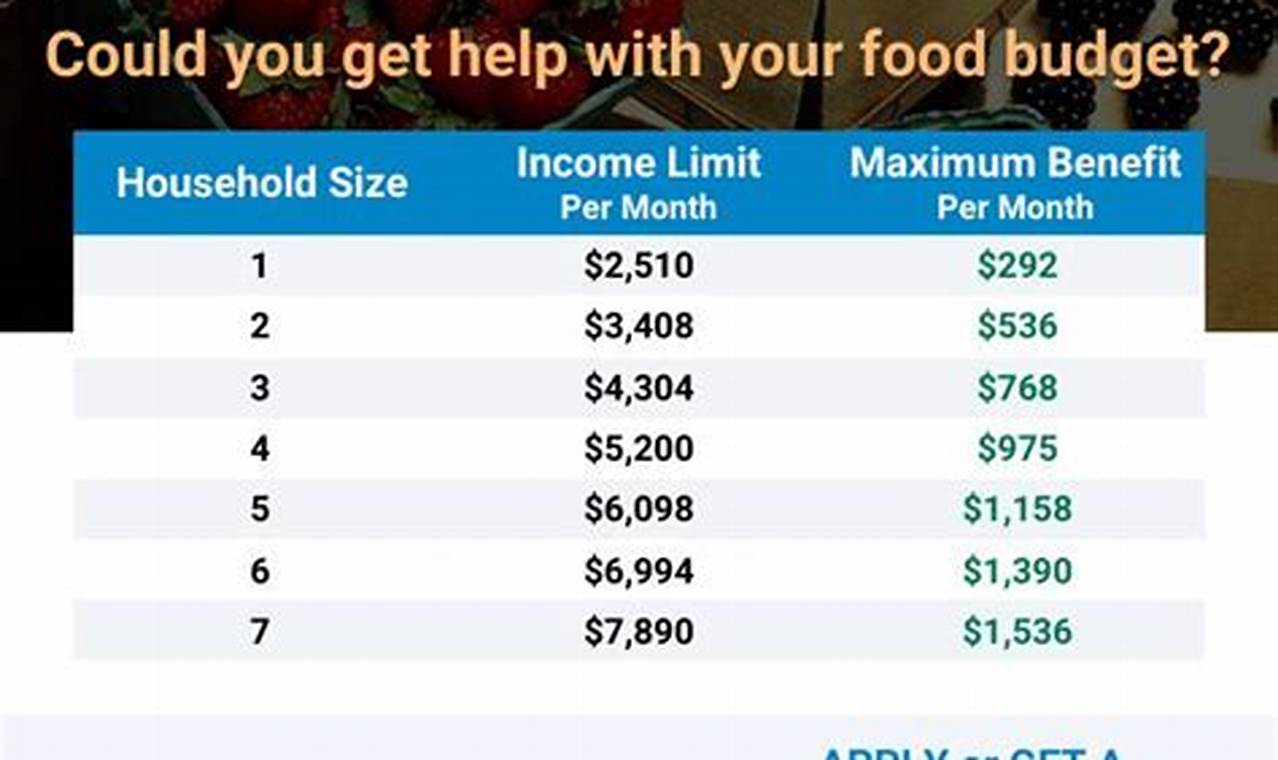
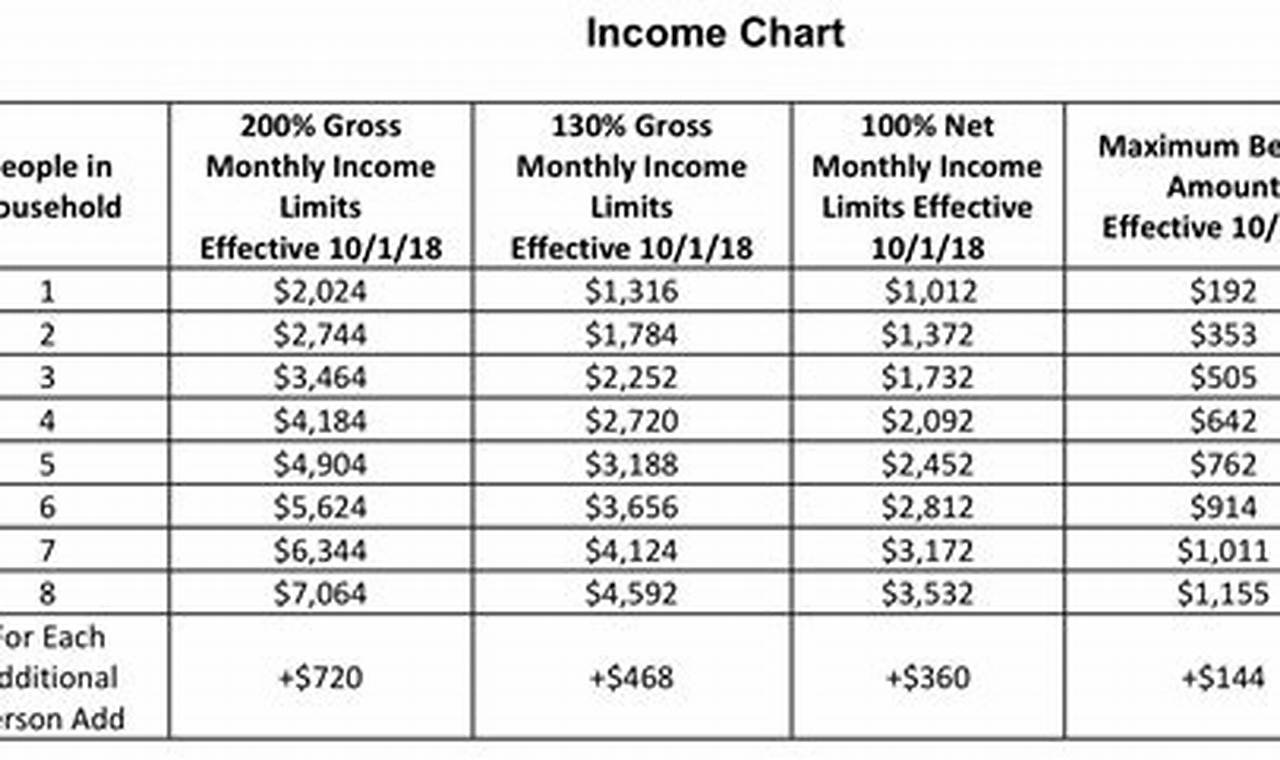
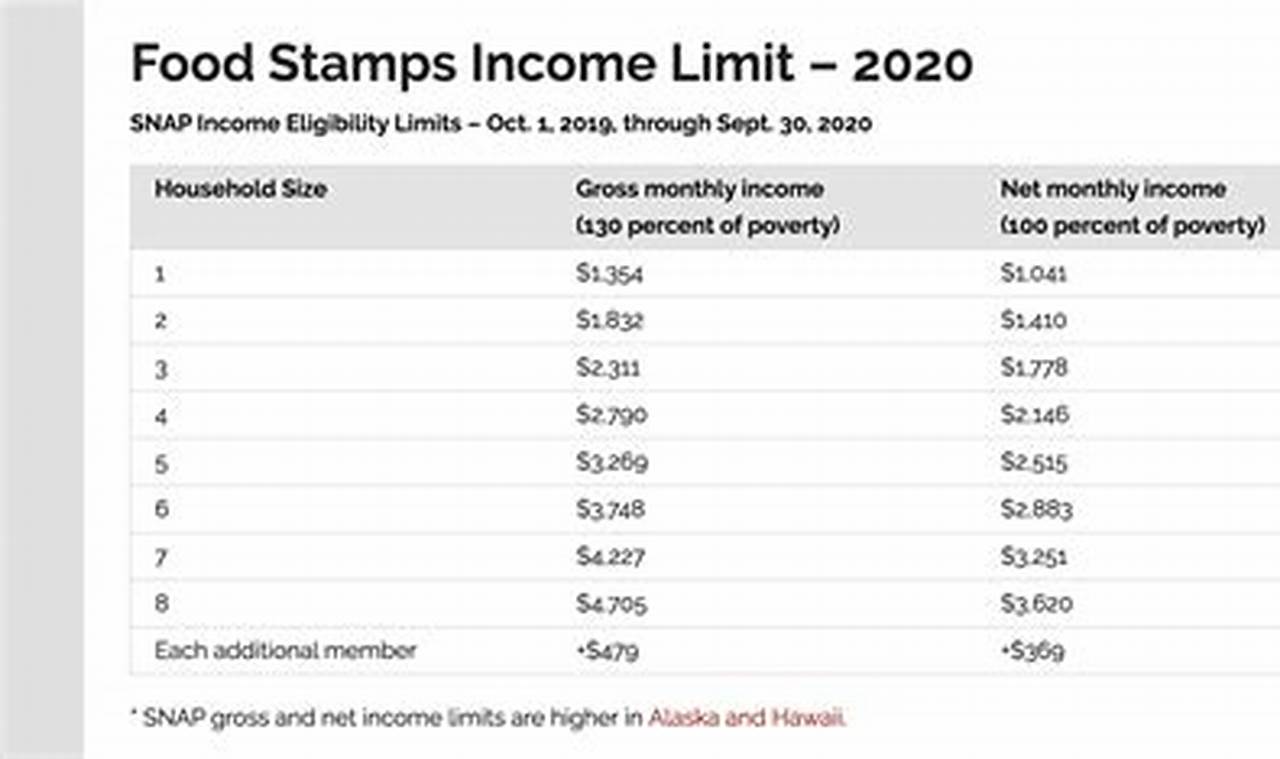
Michigan evaluates applications using two primary income tests: gross income and net income. Gross income is your total household income before any deductions. Generally, your gross monthly income must be at or below 200% of the Federal Poverty Level (FPL) for your household size, unless someone in the home is elderly or disabled, in which case different rules may apply.
Net income is your gross income minus allowable deductions, such as standard deductions, high shelter costs, and dependent care. This net income figure is then compared against the net income limit to determine your exact benefit tier.

Common Deductions That Boost Your Benefits
Many applicants mistakenly believe that earning slightly over the basic income limit disqualifies them entirely. However, allowable deductions can lower your countable income significantly, pulling you under the threshold and increasing your monthly allotment.
The Shelter Deduction Cap Lift
Housing costs in Michigan have risen steadily. Fortunately, the SNAP program allows a shelter deduction for housing and utility costs that exceed 50% of your household's income after other deductions. For many households, this deduction makes a substantial difference in qualifying for higher benefits.
Medical Expense Deductions for Seniors
If your household includes adults aged 60 or older, or individuals receiving certain disability payments, monthly out-of-pocket medical expenses over $35 can be deducted. This includes prescription medications, health insurance premiums, dental care, and transportation to medical appointments. Don't overlook these expenses when calculating your eligibility.
How to Apply Through MI Bridges
Once you use an online calculator and realize you likely qualify, the next step is submitting an official application. Michigan manages all applications through its centralized online portal, MI Bridges.
- Create an Account: Visit the official MI Bridges website and set up a secure username and password.
- Submit an Application: Complete the online application for food assistance. You can apply for cash assistance, healthcare, and state emergency relief at the same time.
- Complete an Interview: An MDHHS specialist will typically conduct a brief phone interview to verify the information you provided.
- Provide Verification: Upload requested documents, such as pay stubs, ID, and utility bills, directly through the portal.
Maximize Your Household Support Today
Leaving food assistance benefits unclaimed helps no one, especially when grocery prices remain high. By taking a few minutes to use a State of Michigan food stamp calculator, you gain a clear picture of the support available to your household. Gather your financial documents, run your numbers, and log into MI Bridges to submit your application today. Ensure your family gets the nutritional resources you are entitled to under state and federal law.