Michigan’s Hunting Zones & Celebrations
Michigan’s Hunting Zones & Celebrations
For generations, the arrival of November meant one thing in Michigan: deer camp. Families and friends would pack up trucks, head north to cabins, and gather around woodstoves to prepare for the firearm opener. However, recent regulatory updates have triggered a broader cultural shift. Today, The Bold Shift: How Michigan’s Hunting Zones Are Reconfiguring Celebrations reflects more than just changing wildlife management strategies; it highlights how sportsmen and rural communities are adapting their social calendars to a new landscape.
Michigan Department of Natural Resources (DNR) adjustments to deer management units and antler regulations have altered success rates and seasonal timing across the Lower and Upper Peninsulas. As hunters face new bag limits, boundary lines, and season lengths, the traditional rhythm of autumn festivities is evolving. Understanding these changes helps explain why local economies, family reunions, and holiday traditions are taking on a brand-new form.
The Evolution of Michigan Deer Camp Culture
The classic Michigan deer camp was built on predictability. For decades, generations of hunters returned to the exact same acreage year after year, anchoring their family calendars around fixed dates. Recent regulatory reconfigurations, however, have decentralized this experience.
Shifting Boundaries and Regional Adjustments
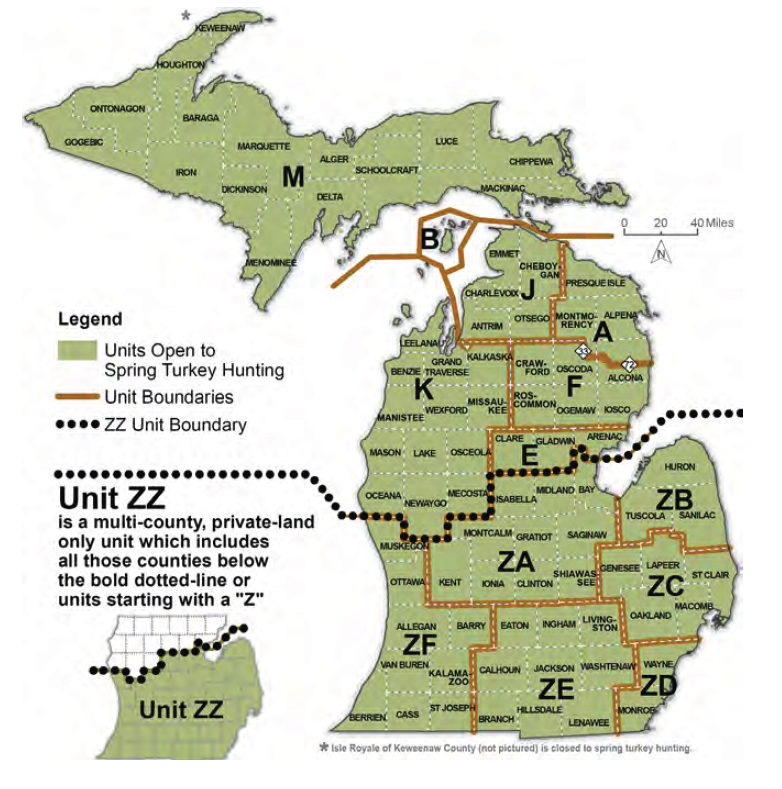
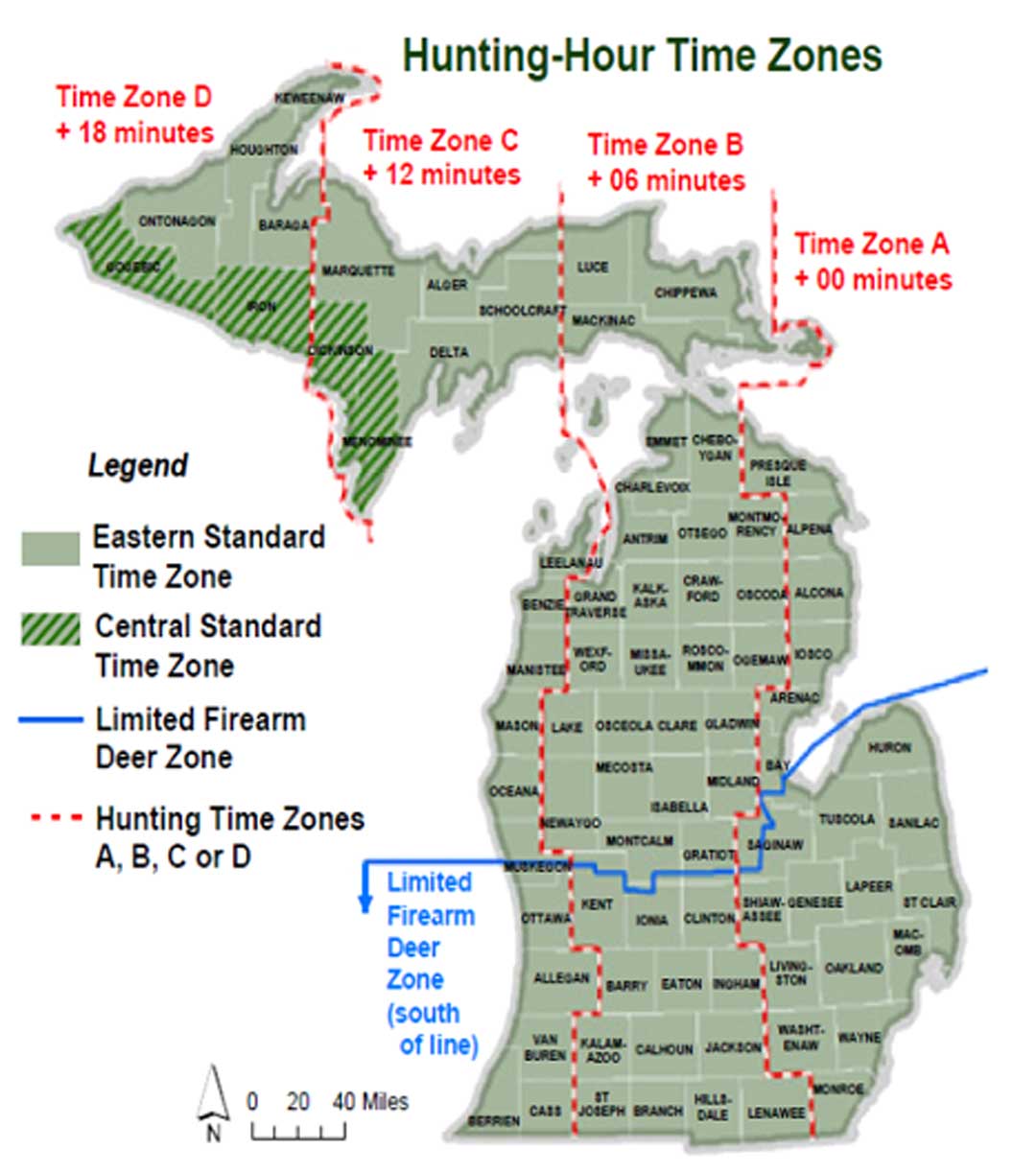
Wildlife officials have fine-tuned zone boundaries to address localized deer population densities, chronic wasting disease (CWD) management, and agricultural damage. These boundary tweaks mean that a property line that once fell into a liberal harvest zone might now face stricter antler restrictions or shorter seasons.
- Decentralized Gatherings: Hunters are increasingly scouting new public lands closer to home rather than making the traditional trek north.
- Staggered Timelines: With varied regulations across different management units, friends who once hunted the exact same weekend now find themselves scheduling time off weeks apart.
- Multi-Species Focus: As traditional deer success fluctuates based on zone rules, hunters are diversifying into turkey, waterfowl, and small game, extending celebratory seasons across the entire fall.
Economic Impacts on Rural Communities
Video: Michigan Deer Hunting CHANGED for 2026 - What Hunters Need to Know. Hunting News

The reconfiguration of Michigan’s hunting zones has a direct ripple effect on small towns that rely heavily on the autumn tourism influx. Hardware stores, local diners, and meat processors are noticing shifts in consumer behavior.
When zone changes alter where hunters spend their time, the economic windfall shifts right along with them. Towns that historically served as massive hubs for Upper Peninsula-bound traffic are seeing different patterns, while southern Lower Peninsula townships are experiencing a surge in local processing and taxidermy demand. Local chambers of commerce have had to rethink community festivals, moving away from rigid November dates to more flexible autumn celebrations that capture travelers whenever they happen to be passing through.
Reinventing Family Feasts and Holiday Timing
The convergence of Michigan’s firearm deer season and Thanksgiving has long defined November. Historically, successful hunts provided fresh venison for the holiday table, and hunters returned home just in time for turkey dinner.
Strict zone regulations and shifted season structures mean that many hunters are spending less continuous time at remote camps and more time managing local parcels. This has transformed family dynamics:
- Weekend-Only Scouting: Instead of week-long stays at camp, hunters often commute daily, keeping them integrated into household routines.
- Modernized Meal Planning: With variable harvest success tied to complex zone rules, reliance on venison as the centerpiece of the November feast has become more of a bonus than a guarantee, leading families to blend traditional game dinners with modern culinary twists.
- Inclusive Gatherings: Because hunting is no longer confined to a single rigid two-week window, non-hunting family members find it easier to plan autumn vacations and holiday travel around these flexible outdoor pursuits.
Looking Ahead: Embracing the New Outdoor Legacy
Michigan's ongoing wildlife management adjustments prove that conservation is never static. While long-time traditions face growing pains as hunters navigate new boundaries, the core spirit of the autumn hunt remains untouched.
By embracing these regulatory updates, Michigan sportsmen are proving that celebrations do not depend on fixed dates or old habits. Whether gathering at a traditional Upper Peninsula cabin or managing a suburban Lower Peninsula woodlot, hunters continue to find innovative ways to honor heritage, share meals, and celebrate the great outdoors together.