Michigan TS Therapy Sessions: What to Expect
Navigating Tourette Syndrome (TS) and chronic tic disorders can feel overwhelming for individuals and families alike. Fortunately, specialized clinical care is available across the state. Participating in Michigan TS therapy sessions provides individuals with the practical tools, emotional support, and behavioral strategies needed to manage tics effectively and improve their overall quality of life.

Whether you are seeking support for a newly diagnosed child or looking for adult-focused care, understanding what these therapeutic interventions entail can help ease anxiety about starting treatment. This guide breaks down the types of therapy used, what a typical session looks like, and how to find the right provider in Michigan.
Understanding Tourette Syndrome Therapy
Tourette Syndrome is a neurological disorder characterized by sudden, repetitive, and involuntary movements and sounds called tics. While medication is sometimes prescribed to manage severe symptoms, behavioral therapy is widely recognized as a first-line treatment. Unlike traditional talk therapy, which focuses broadly on emotional well-being, specialized TS therapy targets the tics themselves and the distress or impairment they cause.
The Role of CBIT (Comprehensive Behavioral Intervention for Tics)
The gold standard for treating tic disorders is a specific type of cognitive-behavioral therapy known as CBIT. Developed through extensive research funded by the Tourette Association of America, CBIT teaches individuals how to recognize the early warning signs of a tic and respond with a competing behavior.
- Premonitory Urge Awareness: Most tics are preceded by an uncomfortable physical sensation, known as a premonitory urge. Therapy helps patients identify this feeling.
- Competing Responses: Patients learn to perform a new, voluntary behavior that makes the tic physically impossible to execute while remaining relatively inconspicuous.
- Functional Intervention: Therapists analyze situations, stress levels, or environments that make tics worse and help patients modify those triggers.
What to Expect During Michigan TS Therapy Sessions
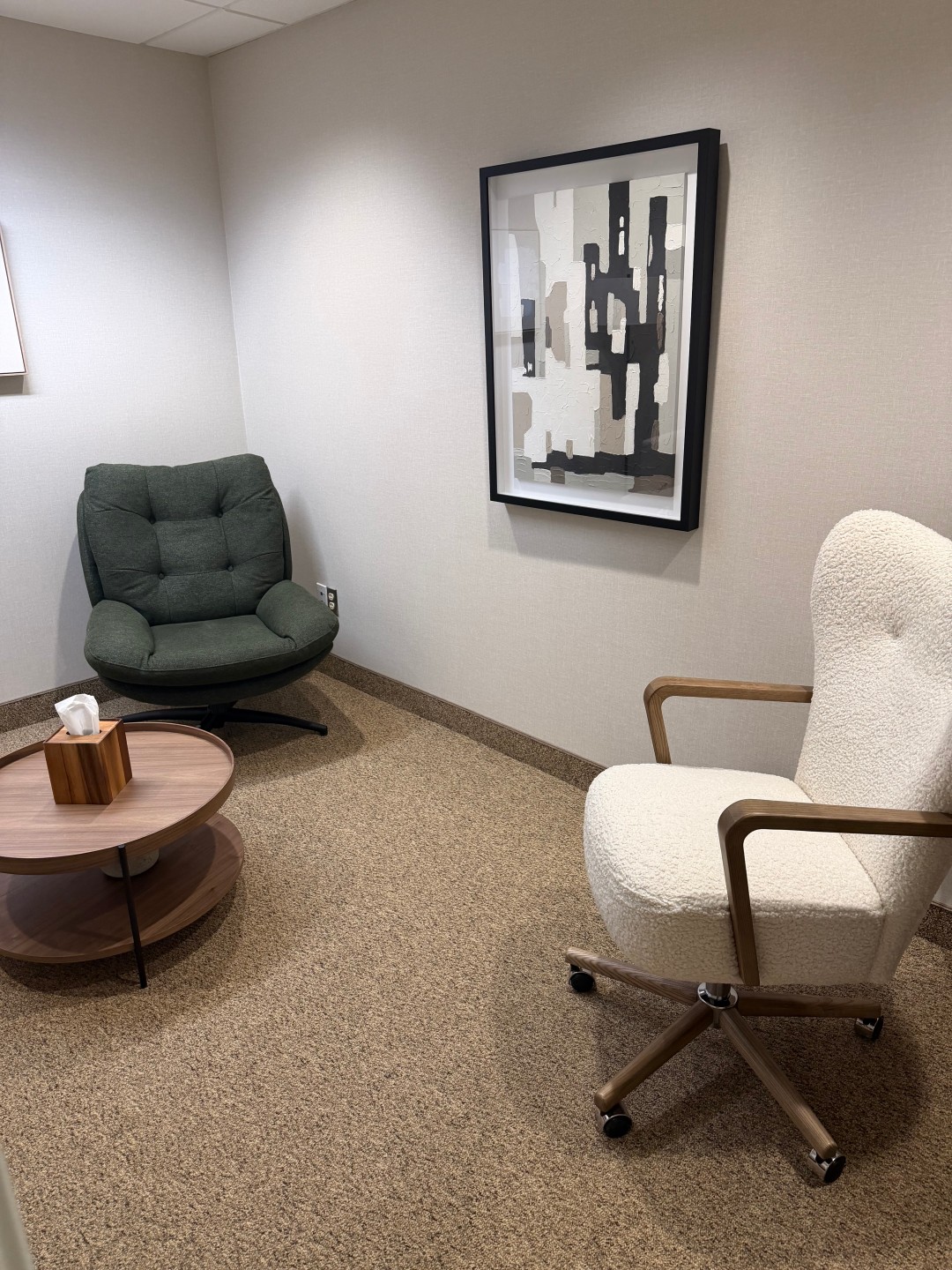
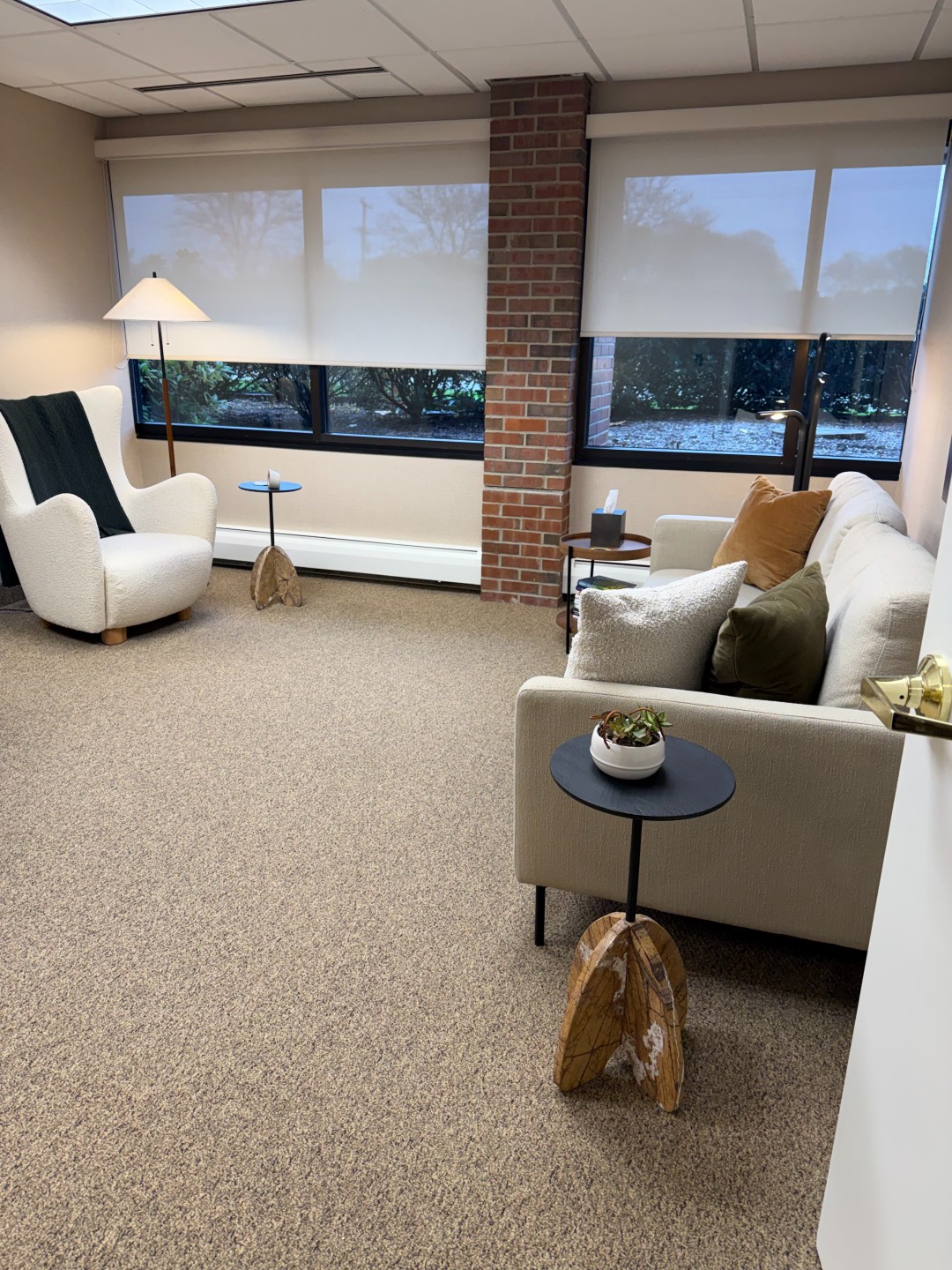
Attending your first therapy appointment can bring up questions about the process. In Michigan, licensed mental health professionals who specialize in tic disorders structure their sessions to be collaborative, highly individualized, and supportive.
Initial Evaluation and Goal Setting

Your first few sessions will focus on a comprehensive assessment. The therapist will review medical history, assess the frequency and intensity of specific tics, and understand how the condition impacts school, work, or social interactions. Together, the therapist, patient, and (in the case of pediatric care) parents establish realistic goals for treatment.
The Course of Treatment
Typically, a standard course of CBIT involves 8 to 10 weekly or bi-weekly sessions. During these appointments, the therapist will:
- Track tic progress using standardized rating scales.
- Practice competing responses in real-time.
- Troubleshoot challenges encountered during the week.
- Provide education on how to explain TS to peers, teachers, or coworkers.
Finding Qualified Providers in Michigan
Finding a clinician with specific expertise in Tourette Syndrome is essential, as general therapists may not be trained in CBIT. Major healthcare systems across Michigan, including university-affiliated medical centers in Ann Arbor, Detroit, and Grand Rapids, often house pediatric neurology and specialized behavioral health clinics.
When searching for a provider, consider the following steps:
- Check the Tourette Association of America Directory: The TAA maintains a directory of certified medical and behavioral providers who have completed specialized CBIT training.
- Ask About Telehealth: Many Michigan therapists offer virtual sessions. This option is particularly beneficial for families living in rural areas or those who find travel difficult.
- Verify Insurance Coverage: Contact your insurance provider to understand behavioral health benefits and whether pre-authorization is required for specialized tic disorder treatment.
Supporting Long-Term Success
Therapy sessions provide the foundation for managing TS, but consistency is key. Practicing competing responses outside of the clinic helps make them second nature. Furthermore, building a strong support network—including local support groups and educational advocacy—empowers individuals to thrive despite the challenges of living with Tourette Syndrome.