Micro Bully Puppy: Care, Cost, and What to Expect
Introduction to the Micro Bully Puppy
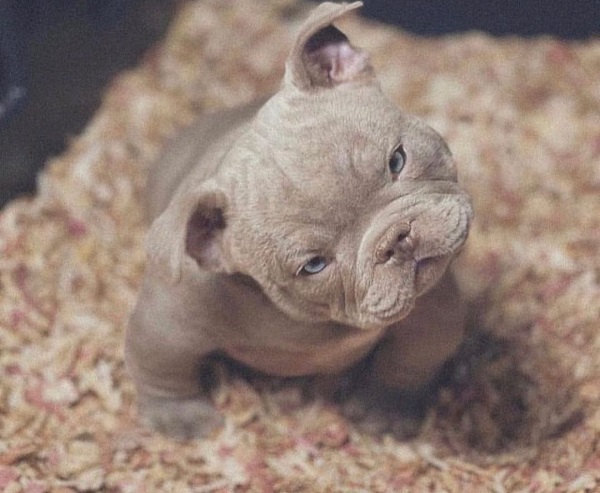
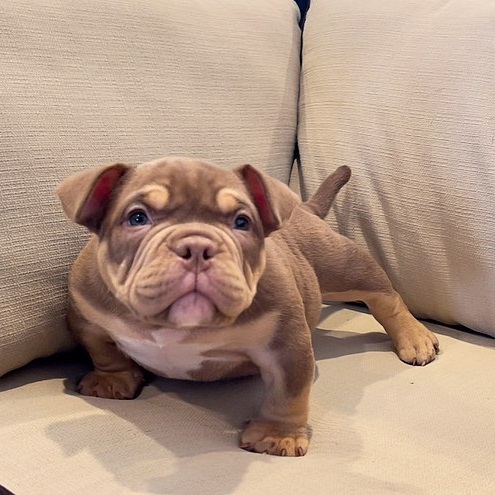
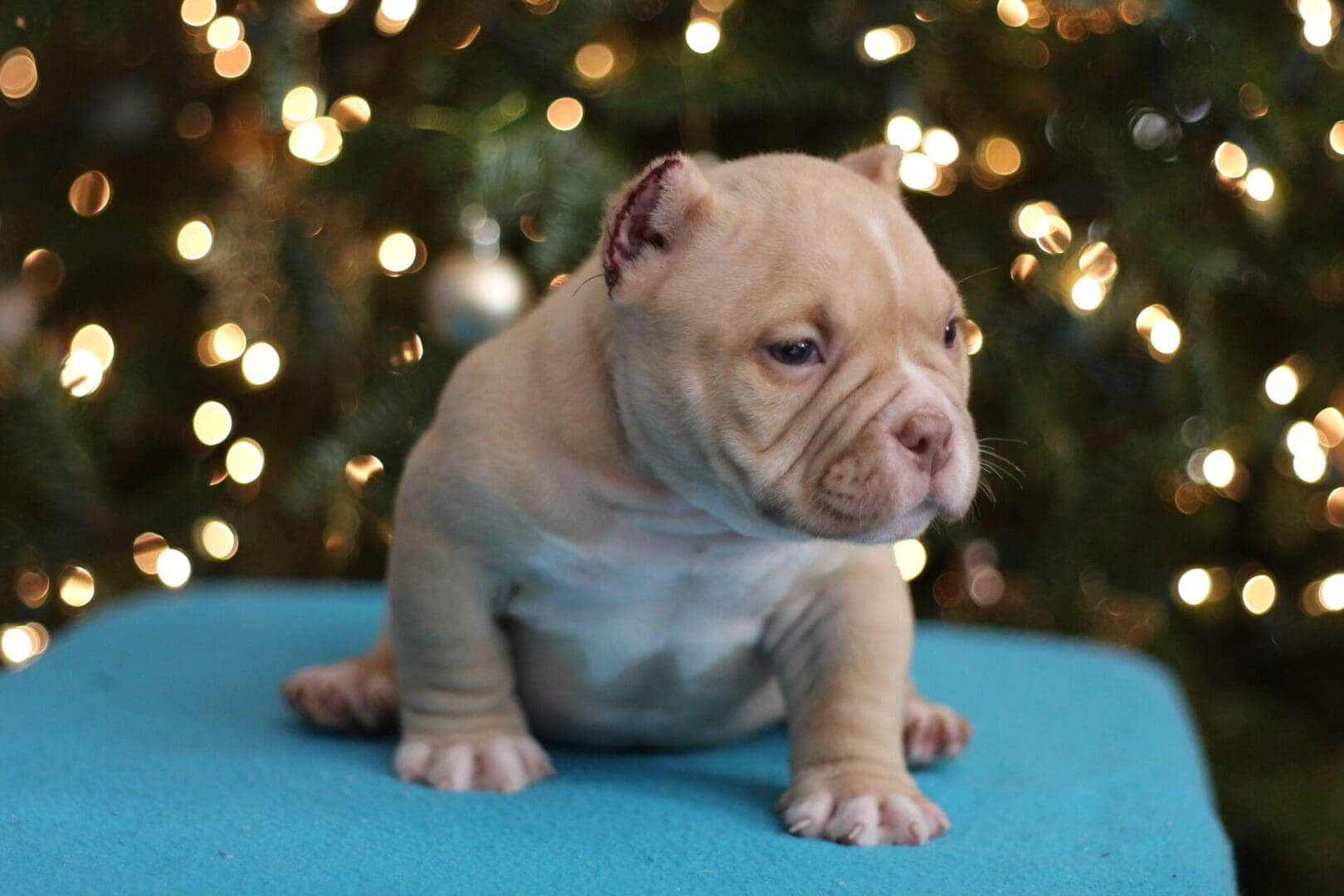
The micro bully puppy has taken the dog world by storm with its comical proportions, muscular frame, and affectionate personality. Packed into a tiny, ultra-compact package, these dogs look like miniature bodybuilders. However, beneath the tough exterior lies a loyal, people-oriented companion that loves nothing more than cuddling on the couch.
If you are captivated by these pint-sized powerhouses, it is important to look beyond the cute social media photos. Owning a micro bully comes with specific responsibilities, unique health considerations, and distinct financial commitments. This guide covers everything you need to know before bringing one of these puppies into your home.
What Is a Micro Bully?
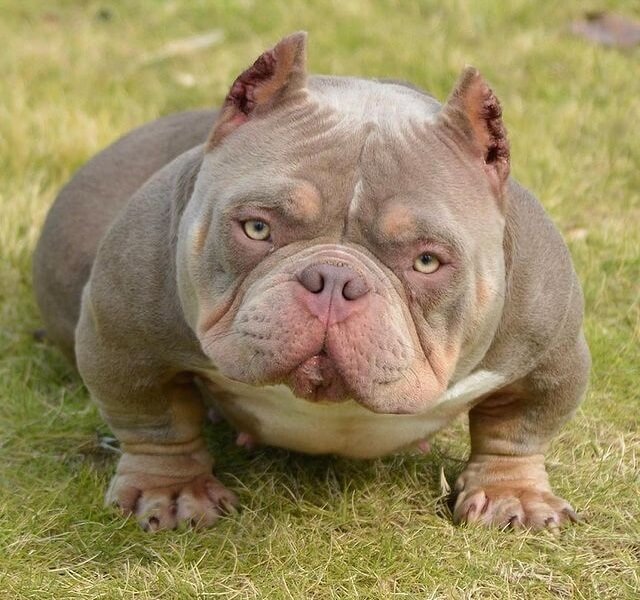
To understand the puppy, you first need to understand the classification. The American Bully comes in several recognized sizes: Pocket, Standard, Classic, and Extreme. While the United Kennel Club (UKC) and American Bully Kennel Club (ABKC) do not officially recognize the "Micro" size, breeders use the term to describe dogs that are even smaller than the Pocket variety.
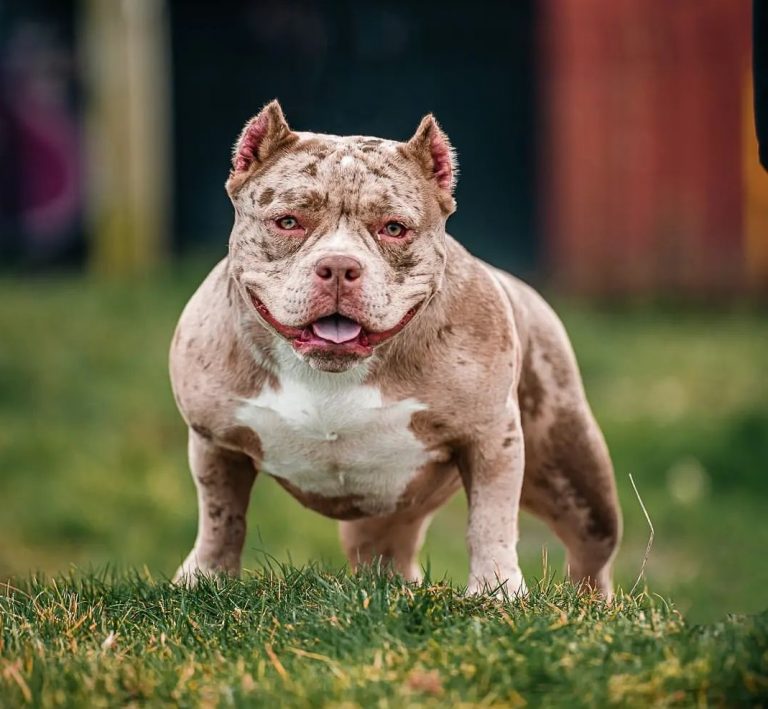
Generally, an adult micro bully stands under 13 inches at the withers (shoulder). Despite their diminutive height, they should retain the heavy bone structure, wide chest, and blocky head characteristic of the American Bully breed. They are not runts of the litter; rather, they are the result of careful, selective breeding down for smaller stature.
Temperament and Socialization
Despite their intimidating appearance, micro bullies are famously affectionate and gentle with humans. They are often described as "velvet bricks" because they are heavy, solid, and clingy. They thrive on human companionship and can suffer from separation anxiety if left alone for long periods.
Are They Good With Children and Other Pets?
- Family Life: Micro bullies generally adore children. They are sturdy enough to handle rough-and-tumble play, though interactions should always be supervised.
- Other Dogs: Because of their terrier and bulldog ancestry, some micro bullies can exhibit dog-selectivity or dominance as they mature. Early socialization is crucial.
- Strangers: While loyal and protective, a well-socialized micro bully should be welcoming to guests rather than aggressively territorial.
Proper socialization during the puppy stage—exposing them to new sounds, environments, people, and other animals—shapes a confident, well-adjusted adult dog.
Health and Medical Considerations
Because of their extreme conformation (short muzzles, heavy bones, and compact bodies), micro bully puppies require attentive veterinary care. Ethical breeding focuses on health, but irresponsible breeding can lead to several hereditary issues.
Common Health Concerns
- Brachycephalic Airway Syndrome: Their shortened muzzles can lead to breathing difficulties, especially in hot or humid weather.
- Joint and Skeletal Issues: Rapid growth and heavy muscle mass put stress on tiny frames, increasing the risk of hip and elbow dysplasia, as well as luxating patellas.
- Skin Allergies: American Bullies are notoriously prone to environmental and food allergies, which manifest as itchy skin, redness, and ear infections.
Always ask breeders for health clearances on the puppy's parents. Regular vet check-ups and a high-quality diet will go a long way in keeping your dog healthy.
Feeding and Nutrition for Growth
Proper nutrition is critical during your puppy's first year of life. Because they are building dense bone and muscle mass, they need a diet rich in high-quality animal protein and balanced fats.
Feed your puppy a formula specifically designed for large-breed or medium-breed puppies (depending on the exact formulation guidelines) to ensure controlled growth rates. Rapid weight gain puts dangerous pressure on developing joints. Consult your veterinarian to establish a feeding schedule and select a nutrient-dense kibble or raw diet that suits your puppy's sensitive stomach.
Grooming and Maintenance
One of the perks of owning a micro bully puppy is their low-maintenance coat. Their short, single coats require minimal grooming.
- Brushing: A weekly rubdown with a rubber curry brush removes loose hair and distributes natural oils, keeping their coat shiny.
- Bathing: Bathe them only when necessary—usually every 4 to 6 weeks—to avoid drying out their sensitive skin.
- Wrinkle Care: If your puppy has facial wrinkles, clean them gently with a damp cloth and dry them thoroughly to prevent moisture buildup and bacterial infections.
- Nail Trimming: Because they spend time indoors and may not wear down their nails naturally, monthly trims are essential to maintain proper foot structure.
The Cost of Ownership
Micro bullies are currently among the most sought-after companion dogs, which is reflected in their price tags. Purchasing a puppy from a reputable breeder typically ranges from $2,500 to well over $10,000, depending on lineage, pedigree, color, and physical traits like head size and bone density.
Beyond the initial purchase price, factor in ongoing expenses:
- High-quality food and supplements
- Routine veterinary care, vaccinations, and parasite prevention
- Allergy medications (if genetic sensitivities arise)
- Durable toys and heavy-duty crates
Is a Micro Bully Puppy Right for You?
Bringing home a micro bully puppy is a rewarding experience, but it requires dedication, time, and financial investment. They are best suited for owners who want a fiercely loyal, affectionate companion, have time for consistent training, and are prepared for potential veterinary costs related to their unique build.
If you can provide a loving home, proper socialization, and attentive healthcare, this tiny powerhouse will reward you with a lifetime of unwavering loyalty and endless entertainment.