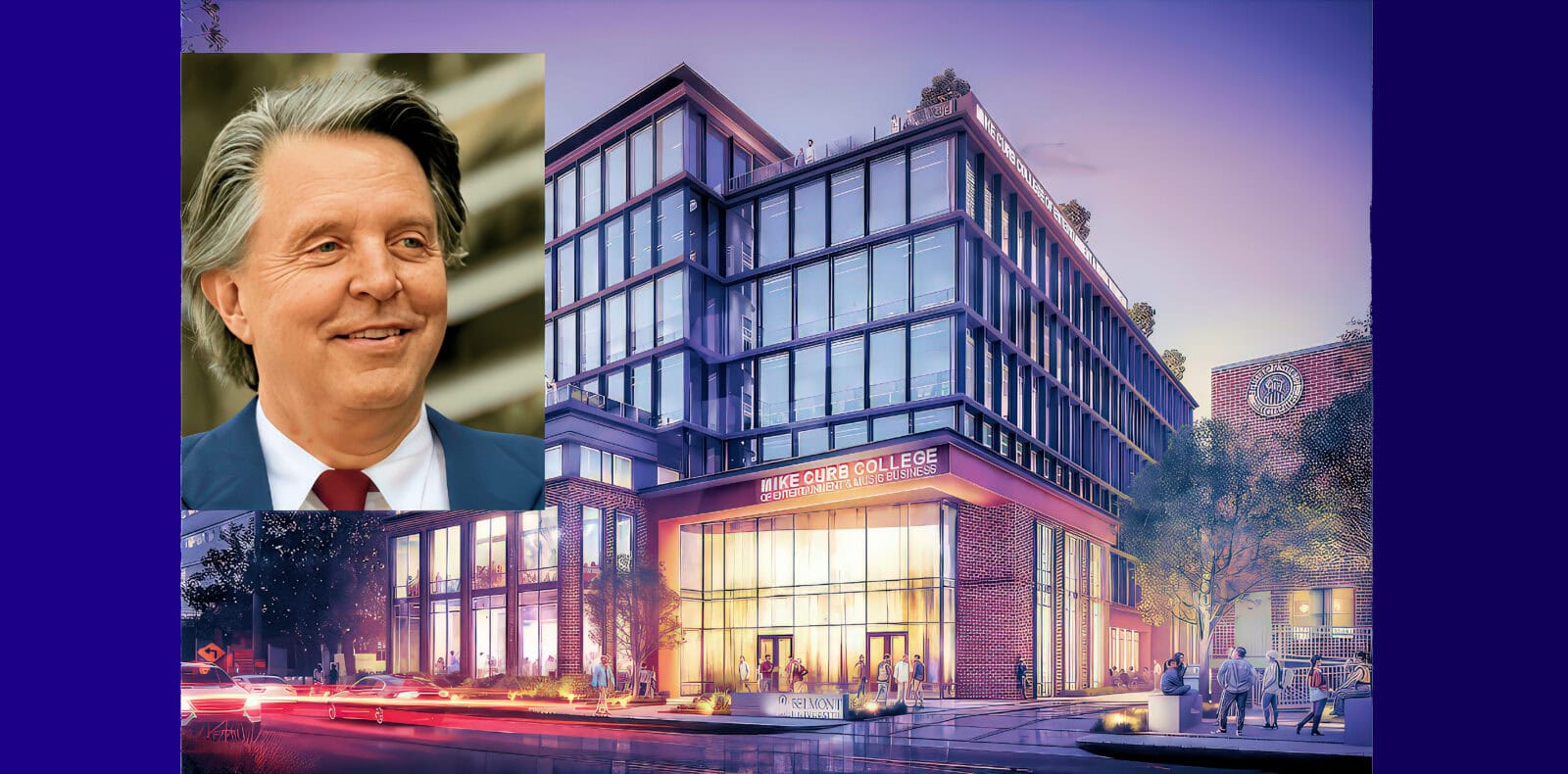
Mike Curb’s Net Worth: The Real Estate Secret
Introduction
When people hear the name Mike Curb, they usually think of Curb Records, the legendary independent record label that launched the careers of superstars like LeAnn Rimes, Tim McGraw, and Hank Williams Jr. Others might remember his time as the Lieutenant Governor of California or his prolific work as a songwriter in Hollywood. However, music and politics only tell part of the story. Beneath his multifaceted career lies a quieter, vastly lucrative empire: property. Understanding The Secret Behind Mike Curb’s Net Worth: Real Estate reveals how a creative visionary diversified his wealth into tangible, appreciating assets over decades.
Estimated by various financial sources to be well into the tens—if not hundreds—of millions of dollars, Curb’s net worth is a masterclass in long-term capital preservation. While royalties fluctuate with changing consumer tastes, physical land and buildings provide enduring value. Curb utilized his earnings from the entertainment industry to acquire strategic parcels, particularly in areas undergoing massive cultural and economic shifts.
The Intersection of Music, Politics, and Property
Mike Curb’s journey into property acquisition did not happen by accident. Early in his music career, during the late 1960s and 1970s, Curb realized the volatile nature of the entertainment business. Record sales could spike due to a single hit single, but changing musical landscapes could just as easily dry up revenue streams. To insulate himself from this volatility, he began channeling his profits into real estate.
His political career further sharpened his economic acumen. Serving as California’s Lieutenant Governor from 1979 to 1983 exposed Curb to macro-level economic policies, urban development trends, and tax structures. This vantage point allowed him to identify high-growth corridors long before they became mainstream investment hotspots. He understood infrastructure, zoning laws, and the trajectory of urban expansion—knowledge that directly influenced his private acquisitions.
Nashville Landmarks and Urban Renewal
Perhaps the most visible aspect of Curb’s property portfolio is centered in Nashville, Tennessee. When Curb Records relocated its primary operations to Music City, Curb did not simply rent office space; he began buying the neighborhood.
Revitalizing Historic Music Row
Music Row is the historic heart of the American country and Christian music industries. Over the decades, as the city modernized, many historic studios and office buildings faced the threat of demolition to make way for high-rise condos and modern commercial developments. Curb stepped in as a preservationist-investor.
- Acquiring Historic Studios: Curb purchased numerous historic buildings along Music Row, ensuring that the physical legacy of Nashville's recording history remained intact.
- Commercial Real Estate Holdings: Beyond preservation, these properties appreciated exponentially as Nashville transformed into one of the fastest-growing metropolitan areas in the United States.
- Strategic Leasing: By owning the buildings that house publishing houses, studios, and administrative offices, Curb created a steady, passive income stream while simultaneously sitting on massive equity appreciation.
By controlling key pieces of real estate in a booming market, Curb positioned himself to benefit from both commercial rental yields and long-term land value escalation.
Video: 60 Years Running the Same Company and He Still Won't Sell | Mike Curb - Curb Records Founder

California Holdings and Coastal Investments
Before his deep involvement in Nashville, Curb’s financial roots were firmly planted in Southern California. The Los Angeles and Orange County real estate markets experienced unprecedented growth during the latter half of the 20th century. Curb capitalized on this boom by acquiring residential and commercial assets throughout the region.
Unlike speculative investors who flip properties for quick short-term gains, Curb's approach mirrors that of institutional real estate trusts: buy well-located assets and hold them indefinitely. Coastal and semi-coastal California properties purchased in the 1970s and 1980s have multiplied in value several times over, serving as the bedrock for his personal balance sheet.
Philanthropy Meets Portfolio Strategy
A unique facet of Mike Curb’s property strategy is its intersection with his philanthropic efforts. Curb is well-known for his extensive charitable contributions, particularly to higher education, including institutions like Belmont University, California State University Northridge, and Fisk University.
Often, these contributions involve real estate or facilities naming rights. By funding buildings and educational spaces, Curb not only gives back to the creative communities that fueled his success, but he also solidifies institutional anchors in neighborhoods where he holds surrounding investments. Academic expansions often drive up the value of surrounding real estate, creating a symbiotic relationship between his philanthropy and his financial portfolio.
Lessons from Mike Curb’s Investment Playbook
Aspiring entrepreneurs and investors can draw several valuable lessons from how Curb managed his wealth:
- Diversify Out of Your Primary Industry: Never keep all your capital tied up in the same sector where you earn it. Curb used entertainment earnings to fund physical assets.
- Focus on Location and Heritage: By investing in cultural hubs like Music Row, Curb bought assets with intrinsic, irreplaceable value that transcends standard market cycles.
- Think Long-Term: Wealth accumulation requires patience. Holding properties for decades allows investors to bypass short-term market corrections and benefit from macroeconomic growth.
Conclusion
While Mike Curb will always be celebrated as a titan of the music industry and a dedicated public servant, his financial legacy is equally defined by his business acumen. The Secret Behind Mike Curb’s Net Worth: Real Estate demonstrates that true, lasting wealth is rarely built on a single talent. By systematically moving his entertainment earnings into prime physical properties across California and Tennessee, Curb created a diversified financial fortress that continues to pay dividends today.