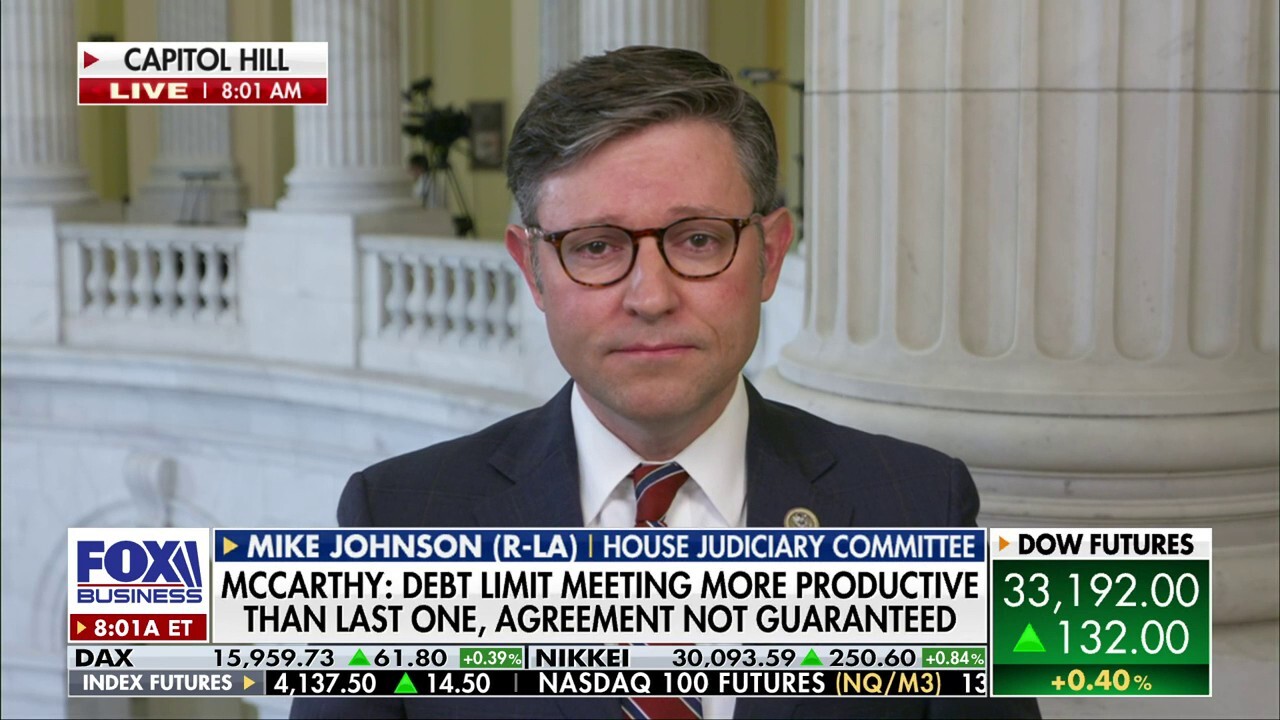
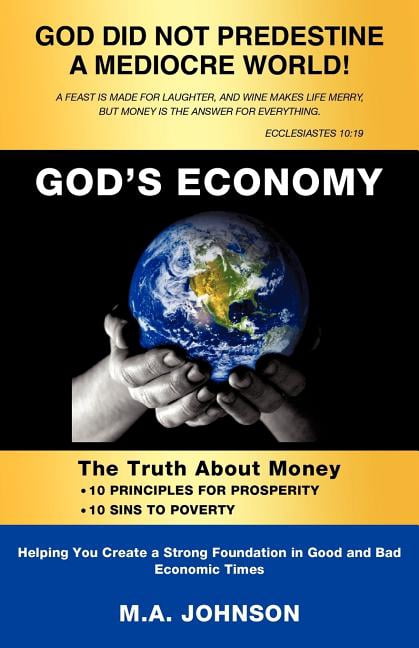
Mike Johnson's Financial Philosophy for Success
Understanding Mike Johnson's Financial Philosophy

In a modern culture dominated by instant gratification, consumer debt, and volatile financial trends, finding a grounded approach to money management is rare. For U.S. Representative and political figure Mike Johnson, financial stewardship is rooted in traditional values, personal accountability, and conservative resource management. The Financial Philosophy Making Mike Johnson a Living Example of Success! centers on living within one's means, avoiding unnecessary liabilities, and prioritizing long-term stability over flashy, short-term gains.
While financial success is often measured solely by net worth or high-income brackets, Johnson’s approach highlights a different metric: peace of mind and independence. By examining how he approaches personal balance sheets, career choices, and public service, everyday earners can extract actionable lessons to improve their own financial health.
Core Pillars of Sustainable Wealth Management
Sustainable wealth is rarely the result of a single lucky investment. Instead, it is built on a foundation of repeatable, disciplined daily habits. Johnson’s financial trajectory reflects several core pillars that anyone can adopt to strengthen their personal finances.
1. Radical Transparency and Budgeting
The cornerstone of any sound financial plan is knowing exactly where every dollar goes. Financial disclosures and personal public profiles reveal that Johnson has historically maintained a modest lifestyle relative to his high-profile position. A strict adherence to budgeting ensures that expenses never outpace revenue.
Track Every Expense: Awareness is the first step toward optimization. Knowing your fixed versus variable costs prevents lifestyle creep.
Prioritize Needs Over Wants: Distinguishing between essential living costs and discretionary spending protects your baseline savings rate.
2. Aversion to High-Interest Debt
Video: THE BATTLE BEFORE THE BLESSING- Mike Johnson

Consumer debt is one of the biggest deterrents to building long-term wealth. High-interest credit cards and auto loans act as a financial anchor, draining cash flow through compounding interest. A key tenet of Johnson’s approach involves minimizing debt obligations. By paying down liabilities aggressively and avoiding speculative borrowing, individuals free up substantial capital to invest in appreciating assets or emergency reserves.
3. Long-Term Value Creation
Building success requires patience. Whether in legal practice, constitutional advocacy, or public office, Johnson’s career reflects steady, incremental dedication rather than get-rich-quick schemes. In personal finance, this translates to consistent, boring investing—such as putting capital into broad-market index funds or real estate—rather than chasing volatile market fads.
Applying the Philosophy to Your Daily Life
You do not need to enter public office to benefit from these principles. Implementing a disciplined financial framework requires a shift in mindset from consumerism to stewardship.
- Audit Your Current Liabilities: List all outstanding debts and formulate a payoff strategy, such as the debt avalanche or snowball method.
- Build a Robust Emergency Fund: Aim for three to six months of living expenses to protect yourself against unforeseen economic shocks.
- Automate Your Savings: Treat savings as a non-negotiable monthly bill. Set up automatic transfers to investment and retirement accounts the day you get paid.
The Intersection of Ethics and Economics
Beyond spreadsheets and bank accounts, Johnson’s financial outlook ties deeply into personal ethics. Managing money responsibly is viewed not just as a tool for personal freedom, but as a duty to family and community. When you are financially stable, you reduce stress, avoid burdening others, and create capacity to support charitable causes and local institutions.
Furthermore, maintaining a clean and transparent financial record builds trust. In both personal relationships and professional environments, fiscal responsibility signals reliability, integrity, and foresight.
Conclusion: Defining True Success
True success is rarely defined by the luxury items you own, but by the freedom you command over your time and choices. The financial philosophy exemplified by Mike Johnson proves that modesty, discipline, and intentional budgeting remain timeless strategies. By rejecting high-debt lifestyles, focusing on steady value creation, and prioritizing transparency, anyone can build a secure foundation for the future.