Mike Tyson’s $300 Million Fortune: Beyond the Rings
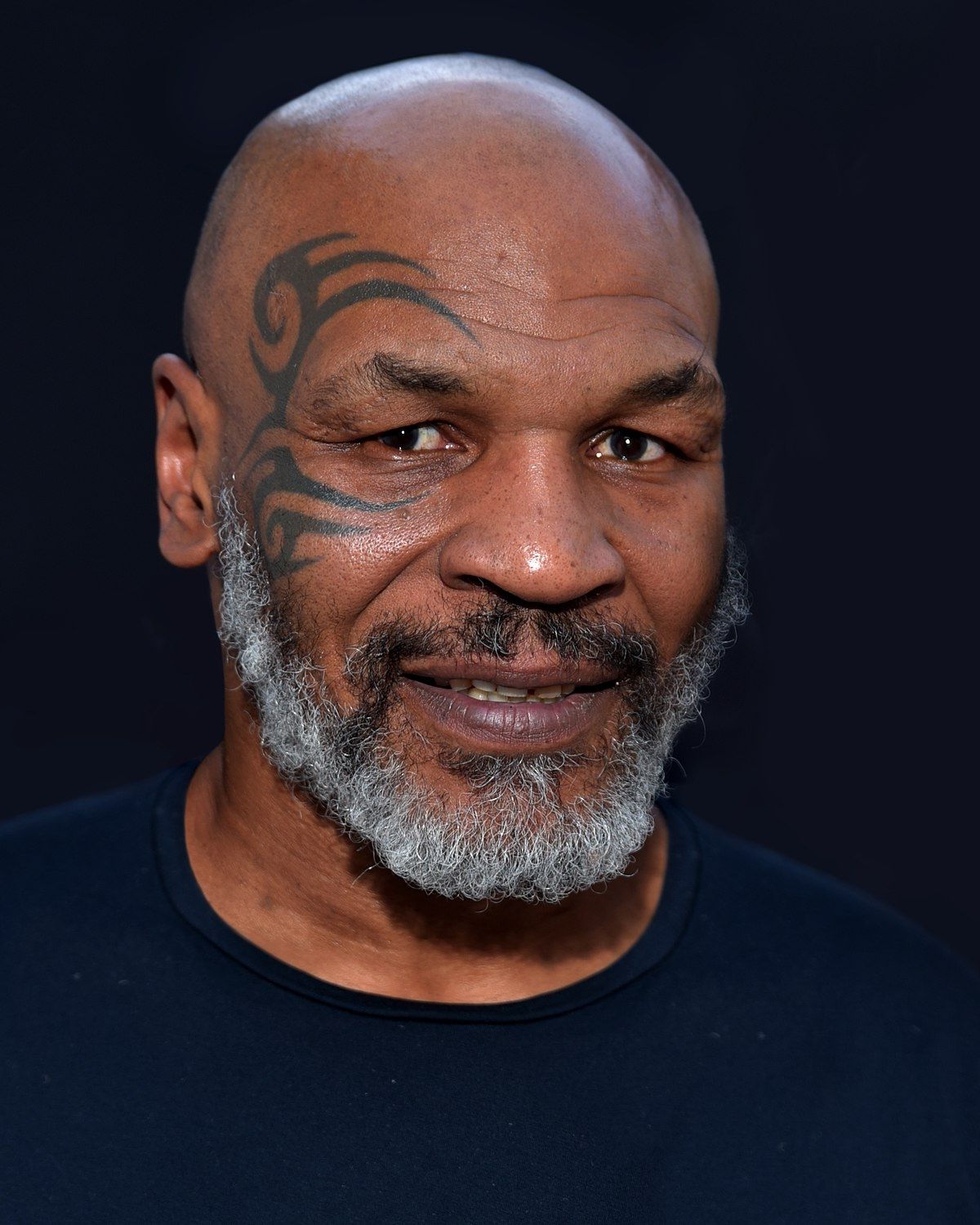
When people hear the name Mike Tyson, they immediately picture devastating knockouts, championship belts, and a terrifying aura inside the squared circle. Yet, the narrative of the youngest heavyweight champion in history extends far past sports glory. The financial trajectory of the boxing icon is a modern-day epic of rise, catastrophic fall, and a calculated business rebirth. Examining **Mike Tyson’s $300 Million Fortune: Beyond the Rings** reveals how modern athletes can transform raw fame into lasting entrepreneurial gold.

The Peak of Boxing Wealth and Sudden Ruin
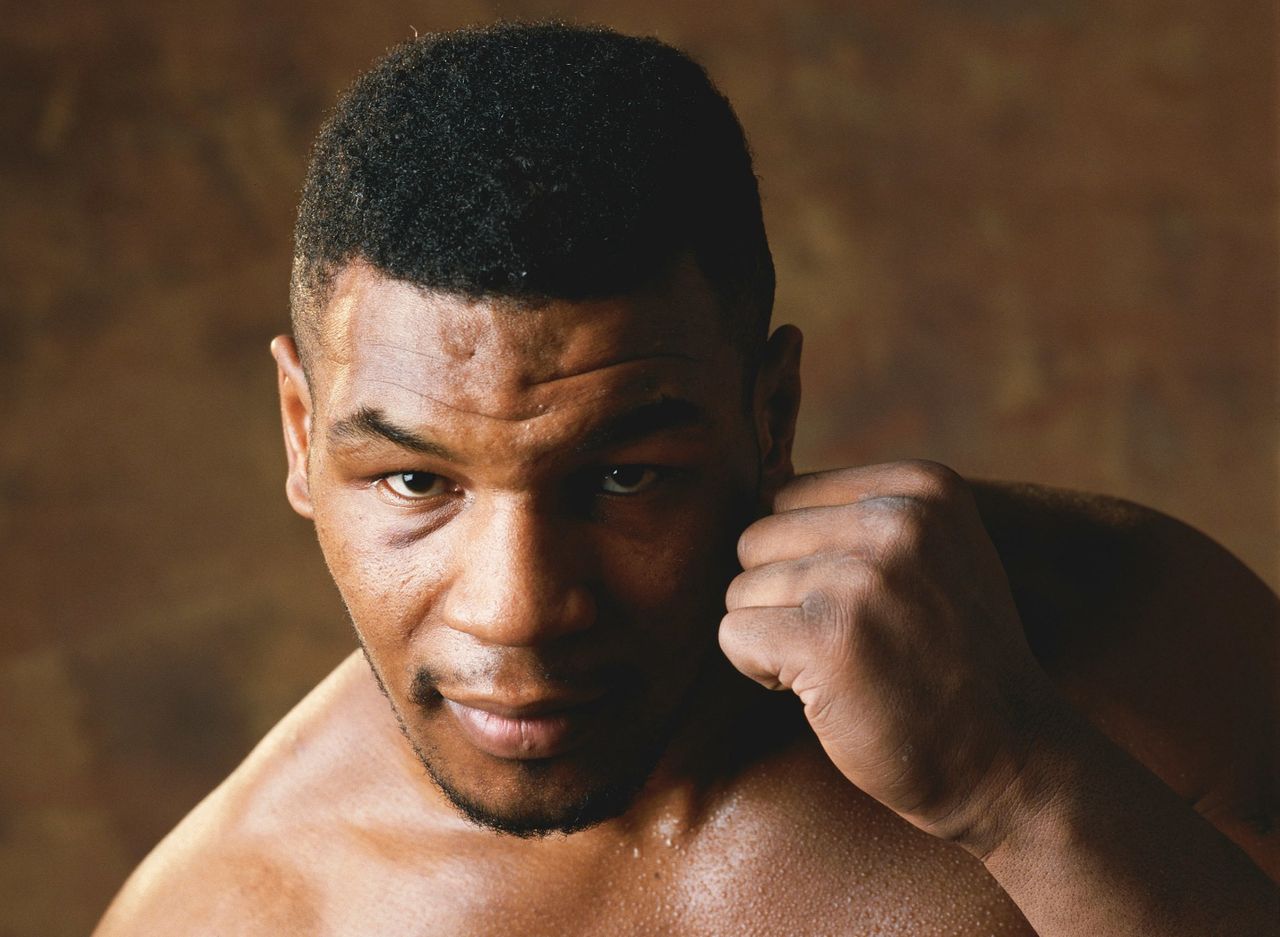
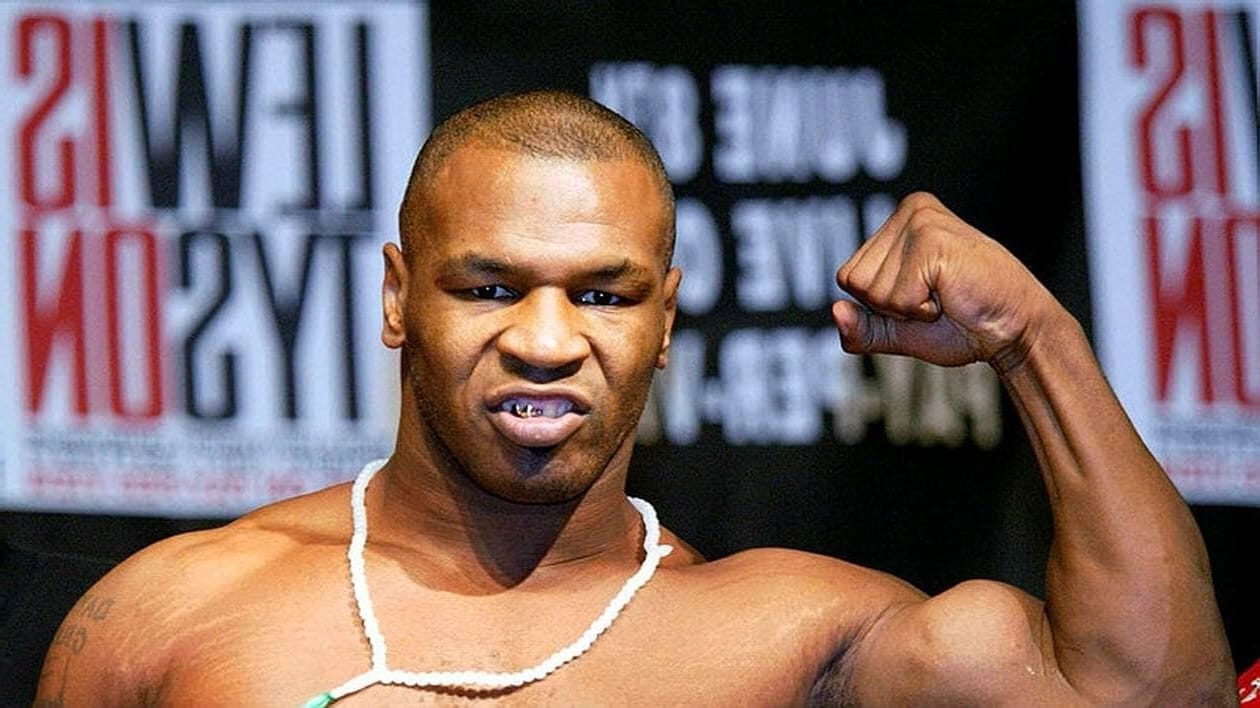
During the late 1980s and through the 1990s, "Iron Mike" was arguably the most commercially dominant athlete on the planet. Fights involving Tyson generated staggering pay-per-view numbers and gate receipts. Promoters like Don King helped orchestrate purses that routinely exceeded tens of millions of dollars per bout. Industry analysts estimate that over his active boxing career, Tyson earned upwards of $300 to $400 million in total revenue.
The Anatomy of a $300 Million Collapse
Despite earning a fortune that could have easily lasted generations, Tyson filed for Chapter 11 bankruptcy in 2003, reportedly owing roughly $23 million. A combination of factors drained his legendary accounts:
- Extravagant spending habits, including luxury cars, mansions, and exotic pets.
- Poor financial management, predatory contracts, and legal fees.
- Costly divorces and a lack of oversight from a revolving door of advisors.
This financial nadir forced Tyson to liquidate assets, sell properties, and spend years digging his way out of a mountain of debt.
Rebuilding the Empire: Enter Tyson 2.0
Tyson’s financial resurrection is largely credited to his pivot into the legal cannabis industry. Recognizing shifting cultural attitudes and legalization trends, Tyson launched Tyson 2.0, a cannabis brand that produces flower, concentrates, and edibles. His signature product, aptly shaped like a bitten ear—a nod to his infamous 1997 match against Evander Holyfield—became an instant pop-culture phenomenon.
The cannabis venture proved to be a masterclass in personal branding. By leaning directly into his wild past rather than running from it, Tyson created a product line that resonated with consumers globally. Today, Tyson 2.0 products are sold in numerous states and international markets, generating tens of millions in annual revenue.
Media, Podcasts, and Entertainment Ventures
Beyond cannabis, Tyson diversified his income streams by becoming a prominent media personality. The launch of *Hotboxin' with Mike Tyson*, his weekly podcast, allowed him to connect with fans and high-profile guests in an unfiltered, vulnerable setting. This venture humanized the former champion, shifting public perception from a feared brawler to a wise, reflective elder statesman of combat sports.
Additionally, Tyson has capitalized on Hollywood cameos and acting roles. His memorable appearance in *The Hangover* franchise not only introduced him to a younger generation of fans but also proved his willingness to laugh at himself, opening doors to commercial endorsements, reality television appearances, and speaking engagements.
Exhibition Bouts and High-Profile Returns
Even in retirement, Tyson’s name commands massive financial guarantees. His 2020 exhibition match against Roy Jones Jr. proved that the "Baddest Man on the Planet" still possessed immense drawing power, generating over 1.6 million pay-per-view buys. Subsequent high-profile athletic ventures, including a heavily publicized bout against Jake Paul, continue to inject massive purses into his portfolio, proving that his athletic legacy remains a lucrative commercial asset.
Philanthropy and Personal Transformation
As Tyson’s wealth stabilized, his relationship with money evolved. Modern profiles depict a man more focused on family, mental health, and giving back. Through various charitable efforts, Tyson frequently supports inner-city youth programs and addiction recovery initiatives. His financial turnaround serves as both a cautionary tale of reckless spending and an inspiring blueprint for personal reinvention.
Conclusion
Mike Tyson’s financial journey is a testament to resilience. While the initial wave of earnings from his boxing career slipped through his fingers, his ability to monetize his personal brand later in life proved invaluable. By embracing entrepreneurship in the cannabis market, dominating digital media, and capitalizing on his iconic status, Tyson secured a legacy that stretches far beyond any boxing ring.