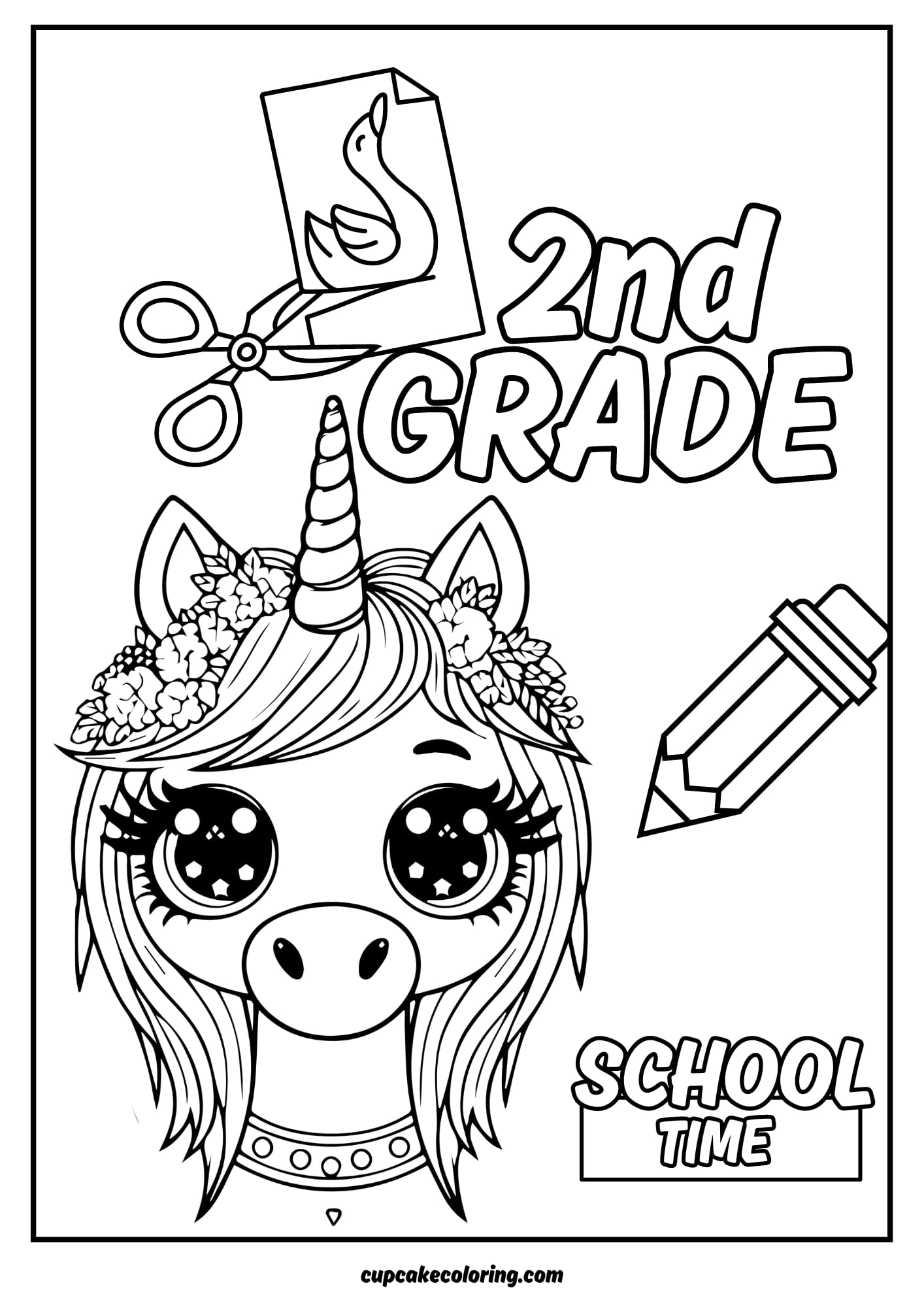
Mindful Coloring For 2nd Grade With Adorable Free Pages
Second grade is a time of incredible transition. Seven- and eight-year-old children are navigating more complex academic expectations, larger social circles, and expanding emotional worlds. With so much new stimuli, kids can easily become overwhelmed. That is where incorporating mindful coloring for 2nd grade into the daily routine makes a profound difference.
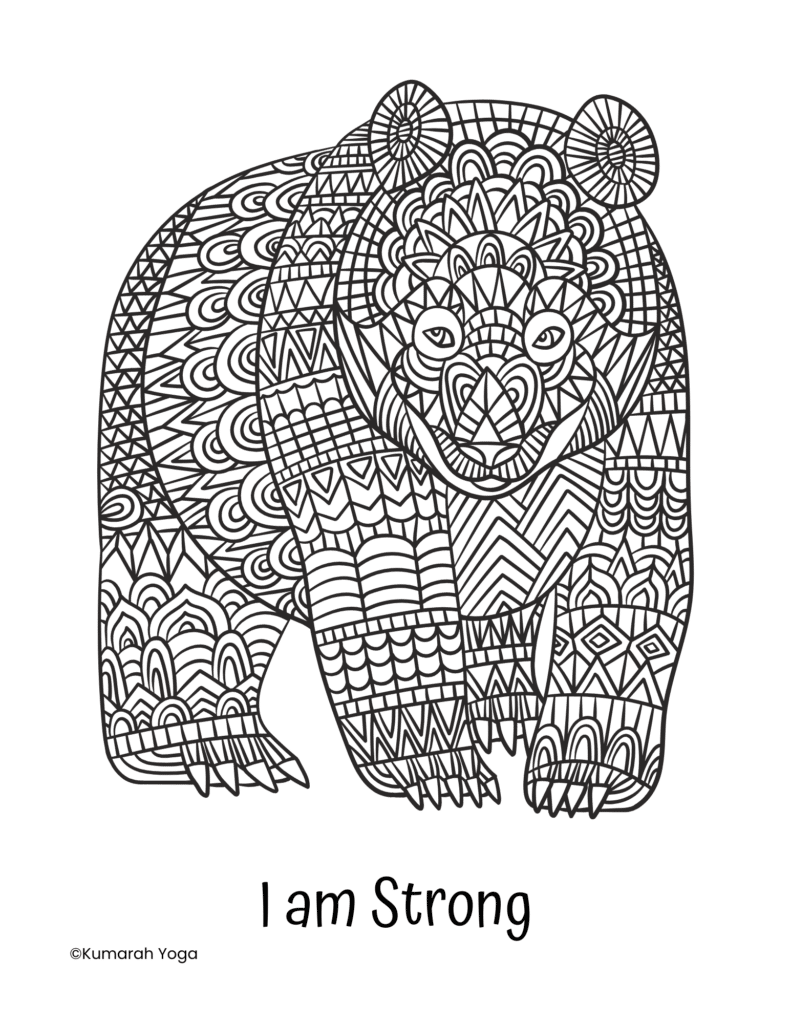
Unlike mindless doodling, mindful coloring uses structured art to anchor a child's attention in the present moment. By pairing simple breathing techniques with adorable, engaging illustrations, educators and parents can give second graders a practical tool for emotional self-regulation. Best of all, you do not need expensive supplies to get started—just crayons, colored pencils, and a few well-chosen printables.
Understanding Mindfulness in 7- and 8-Year-Olds
Before introducing mindful art, it helps to understand what mindfulness actually means for a second grader. At this developmental stage, children are learning to identify their feelings, but they often lack the vocabulary or impulse control to manage intense emotions like frustration, anxiety, or over-excitement.
Mindfulness is simply the practice of paying attention on purpose, without judgment. For a second grader, it looks like noticing the scratch of a crayon on paper, feeling the rise and fall of their chest, or watching a color fill a defined space. It is not about keeping inside the lines perfectly; it is about the internal experience of slowing down.
Why Coloring Works as a Meditation Tool
Coloring is inherently therapeutic for young brains. Because it requires bilateral coordination (using both sides of the body and brain), it engages multiple neural pathways while simultaneously calming the amygdala—the brain's fear and stress center.
- Reduces cortisol levels: Focused, quiet coloring lowers stress hormones in children.
- Improves fine motor control: The grip strength and precision required for coloring directly support handwriting skills.
- Enhances attention span: Structured repetition trains the brain to sustain focus on a single task.
- Provides a screen-free reset: It offers a tactile break from digital devices and overstimulating environments.
How to Practice Mindful Coloring in the Classroom or at Home
To turn a standard coloring activity into a mindfulness session, structure matters. You cannot simply hand a child a page and tell them to "be calm." Instead, guide them through a simple routine that transforms art time into a meditative exercise.
- Create a calm environment: Turn off harsh overhead lights, play soft instrumental music, or open a window to let in natural light.
- Set an intention: Ask the child how they are feeling right now. Choose a color that matches that feeling, or choose a color that represents how they want to feel (e.g., blue for calm, yellow for happy).
- Practice three deep breaths: Before touching crayon to paper, have the children take three slow belly breaths together. In through the nose, out through the mouth.
- Color with awareness: Encourage children to notice textures. What does the paper feel like? What sound does the crayon make? If their mind wanders to a test or a playground argument, gently remind them to bring their attention back to the colors.
Adorable Free Pages for Second Graders
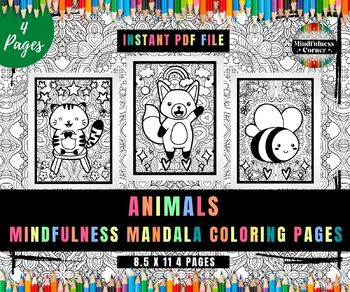
Second graders love themes that feature cute animals, cozy spaces, and positive affirmations. Abstract mandalas can sometimes feel too complex or boring for this age group. Instead, opt for relatable, charming characters that invite storytelling and emotional connection.
Video: Testing my patience with DOODLE ART🤪

1. The Sleepy Sloth in the Canopy
Featuring a smiling sloth hanging lazily from a branch surrounded by large, simple leaves, this page encourages slow, deliberate movements. Instruct the child to color the leaves in varying shades of green, reminding them to move as slow and steady as a sloth.
2. The Cosmic Cat with Affirmations
An adorable cat floating in space among simple stars and planets. Around the border, a positive affirmation reads, "I am capable and strong." This combines visual art with self-talk, helping build healthy self-esteem during stressful academic tasks.
3. The Happy Houseplant Garden
A collection of quirky, smiling potted plants on a sunny windowsill. The thick outlines and distinct shapes make it easy for developing hand muscles to stay focused without causing frustration over intricate details.
Tips for Printing and Storing
When downloading free coloring sheets for second graders, print them on slightly heavier paper, such as 24lb or 32lb printer paper, if possible. This prevents markers from bleeding through and gives the page a sturdier feel. Keep a designated "Mindfulness Folder" in your classroom or at home where children can safely store their finished artwork and retrieve it whenever they need a quiet mental break.
Integrating Mindful Art Into Daily Routines
Consistency is key when building emotional regulation habits. You do not need to block out hours of your day; even ten minutes can reset a child's mood.
Try introducing a "Mindful Monday" morning routine where every child colors for ten minutes before academic instruction begins. Alternatively, use these pages as a "transition tool" right after recess or physical education to help children shift gears from high-energy play back to quiet indoor learning. By making mindful coloring a natural, pressure-free part of the day, you equip second graders with lifelong tools for emotional resilience.