Mindful Coloring for Adults and 3 Year Olds with Free Printable Pages
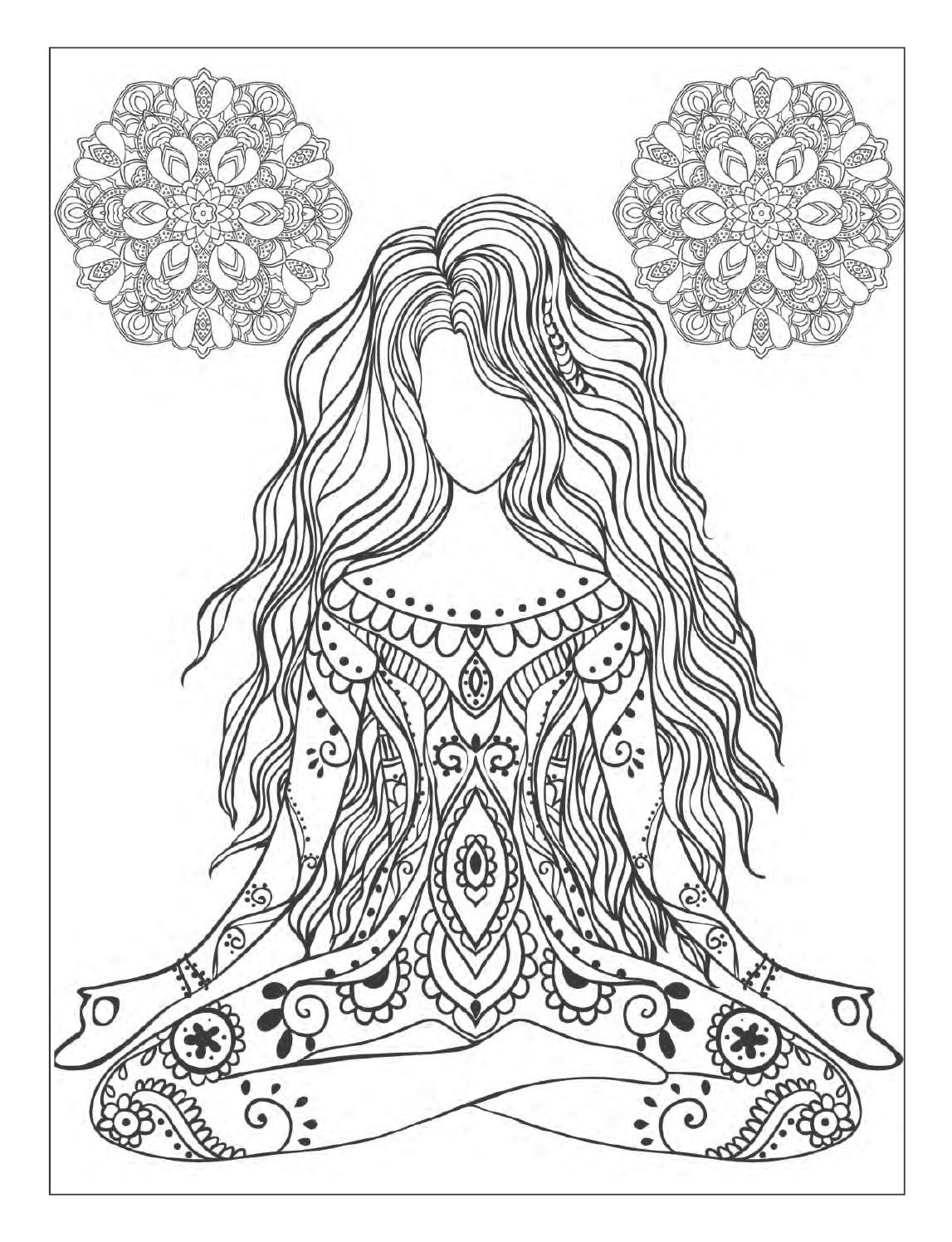
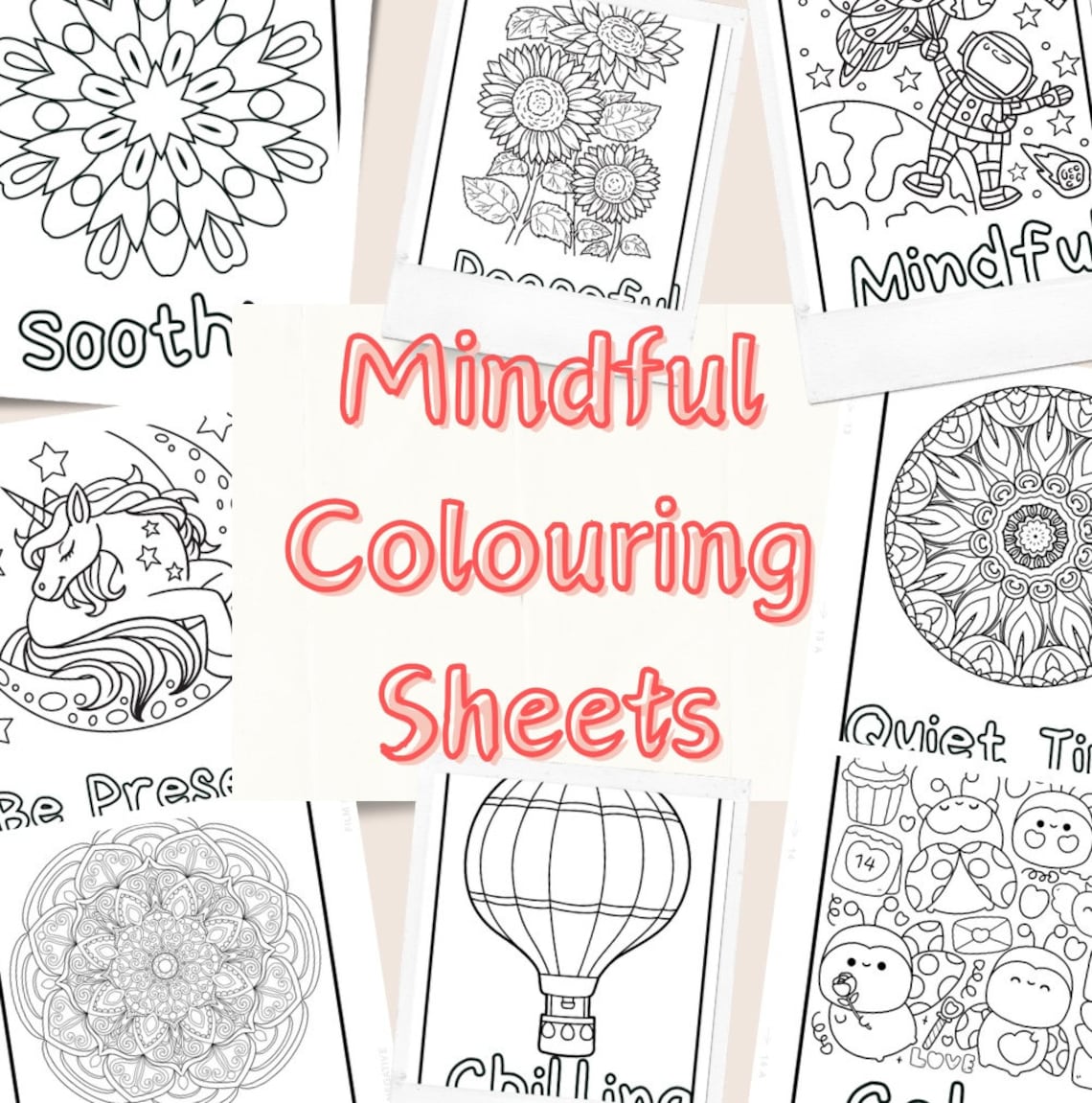
Finding an activity that calms an overstimulated parent while actively engaging an energetic toddler can feel nearly impossible. Exploring mindful coloring for adults and 3 year olds with free printable pages bridges that gap, transforming an ordinary afternoon into a shared exercise in nervous system regulation, creativity, and quiet connection.
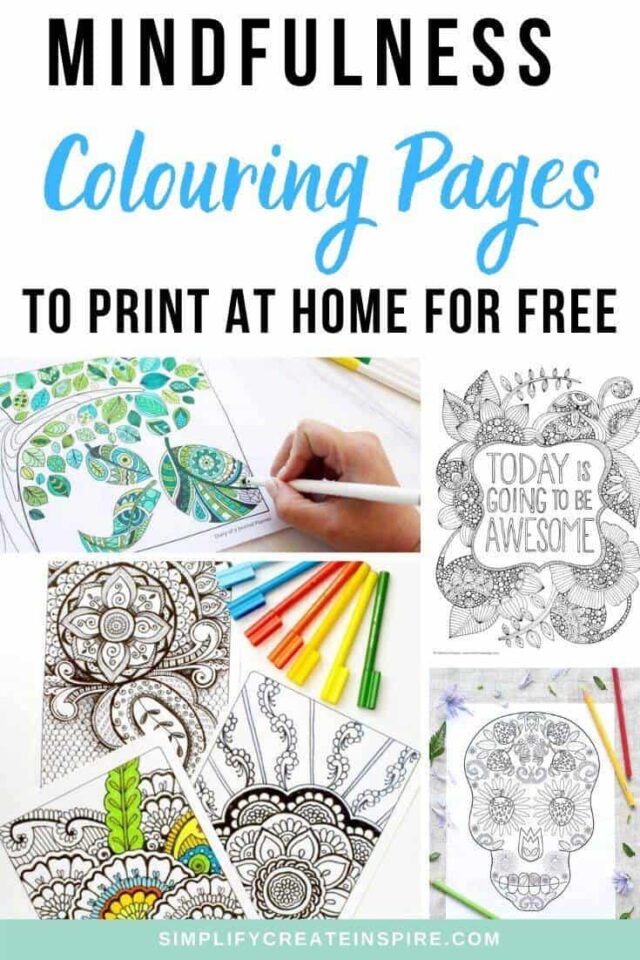
While adult coloring books typically feature intricate mandalas and toddler books offer bold, cartoonish outlines, mindful coloring together is not about staying inside the lines. Instead, it is an intentional practice that honors the developmental stage of a three-year-old while giving adults a grounded, screen-free way to unwind.
Why Mindful Coloring for Adults and 3 Year Olds with Free Printable Pages Works
Mindfulness does not require sitting in silence on a meditation cushion. For parents and caregivers, daily meditation often feels inaccessible. Shared coloring functions as an informal mindfulness practice, focusing both adult and child attention on immediate sensory input: the friction of wax on paper, the vibrant shift of pigments, and the rhythmic sweep of the hand.
The Neurological Calming Effect on Adults
Coloring activates both hemispheres of the brain. The logical mind engages when choosing palettes and recognizing spatial borders, while the creative, intuitive mind governs strokes and tactile sensation. Studies in art therapy show that repetitive, low-stakes creative tasks lower cortisol levels and activate the parasympathetic nervous system. When you sit alongside your child and breathe rhythmically while filling a page, your physiological calm communicates safety to your child through co-regulation.
Developmental Gains for the Three-Year-Old Brain
At age three, children transition from the gross motor stage of shoulder-driven scribbling toward refined wrist and finger control. Shared mindful coloring supports critical developmental milestones without the pressure of formal instruction:
- Bilateral Coordination: Holding the paper steady with the non-dominant hand while coloring with the dominant hand encourages brain hemisphere integration.
- Pincer and Tripod Grasp Development: Handling broken crayons, egg-shaped chalk, or chunky triangular pencils strengthens the small intrinsic muscles of the hand.
- Emotional Regulation: Rhythmic back-and-forth movement helps toddlers down-regulate after a tantrum, transition smoothly before naptime, or process sensory overload.
- Spatial Awareness and Crossing the Midline: Drawing broad arcs across a large sheet teaches young children to cross the body's physical midline, a prerequisite for reading and writing.
How to Set Up a Calming Shared Coloring Space
A successful mindful coloring session depends heavily on the setup. If the environment is chaotic or the materials require constant policing, mindfulness quickly dissolves into frustration.
- Clear the Visual Clutter: Work at a clean table or spread a neutral-colored blanket on the floor. Remove unrelated toys, digital devices, and noisy clutter so visual focus remains on the paper.
- Choose Sensory-Rich, Low-Stress Supplies: Skip narrow felt-tip markers that bleed through paper or snap under heavy pressure. Provide beeswax block crayons, chubby triangular colored pencils, or washable tempera paint sticks. These glide effortlessly, producing rich color with minimal hand fatigue.
- Use Heavyweight Paper: Standard 20 lb copy paper crinkles, tears, and shifts under heavy toddler scribbles. Print your coloring pages on 65 lb to 80 lb cardstock to give the activity tactile weight and permanence.
- Anchor the Corners: Use small strips of painter's tape to secure your child's paper to the table surface. This prevents frustration and lets them color with one hand without chasing a sliding sheet.
Dual-Design Concepts: How Free Printable Pages Bridge the Age Gap
Adults often grow bored coloring oversized cartoon shapes, while toddlers quickly become frustrated by hyper-detailed botanical patterns. The solution lies in "companion" or "dual-style" printable designs specifically engineered for joint sessions.
1. The "Side-by-Side" Canvas
These printables feature a split composition on a single landscape sheet. One half contains large, open organic shapes (such as ocean waves, large leaves, or cloud formations) for broad toddler strokes. The adjacent half continues the same motif with tighter geometric textures and fine lines for the adult. Both participants contribute to a unified piece of art while working at their own skill levels.
2. Center-and-Perimeter Mandalas

In this format, the center of the printable consists of a wide, unadorned circular space or simple animal silhouette suitable for broad, vigorous toddler marks. Encircling that core is a detailed mandala border for the adult. As the adult works methodically along the perimeter, the toddler fills the center, mimicking the adult's calm, rhythmic motion.
3. Collaborative Storybook Landscapes
Printables that depict open natural scenes—such as an undersea garden, a meadow, or a star-filled sky—allow for intuitive teamwork. Adults can shade background gradients and intricate tree bark, while toddlers color broad fields of grass, apply sticker accents, or use stamp pads to create thumbprint leaves.
Practicing Mindful Dialogue During Coloring
Mindful coloring is as much about inner dialogue and verbal connection as it is about visual art. Many parents inadvertently interrupt mindfulness by asking testing questions ("What color is that? Can you make the apple red?") or issuing constant praise ("Good job! You're so smart!").
Instead, try objective observation and reflective mindfulness:
- "I notice you are pressing down hard with the blue crayon. Look how dark that line is."
- "Listen to the sound the crayon makes against the paper: swish, swish, swish."
- "My shoulders were feeling tight today, but sliding this green pencil across the page is helping me take a deep breath."
- "Look at how your yellow marks are mixing with my blue marks right there. They turned into green."
These observational prompts keep your toddler anchored in their sensory experience, eliminate performance anxiety, and teach self-awareness without judgment.
Troubleshooting Common Toddler Coloring Challenges
Handling the 3-Minute Attention Span
Developmentally, a three-year-old's focused attention span averages 6 to 9 minutes for structured tasks. Do not expect a toddler to sit silently for forty minutes. Keep sessions brief: 10 to 15 minutes is a major victory. If your child colors for five minutes and then prefers to stack the crayons into towers, welcome that as their chosen form of mindful exploration.
When They Color Across Your Section
Three-year-olds are naturally curious about boundaries. If your child extends a dark, jagged crayon line directly across your carefully shaded adult section, treat it as an exercise in non-attachment. Take a slow breath, smile, and incorporate their stroke into the composition. Responding with grace demonstrates emotional resilience and reinforces that shared connection matters far more than a pristine finished product.
Getting Started with Your Free Printable Coloring Pages
To begin, select two or three companion designs that feature simple natural motifs: oceans, night skies, and gentle botanical patterns. Print them on standard letter-size cardstock, set out your favorite coloring tools, and invite your child to sit beside you with an open invitation: "Let's color together and listen to quiet music."
By shifting the focus from artistic perfection to shared presence, mindful coloring becomes a restorative daily ritual that supports your toddler's blooming independence while giving you a well-deserved moment of peace.